
Beef Madras: A Slow-Cooker Dinner Built on Aromatic Spices and Tender Beef
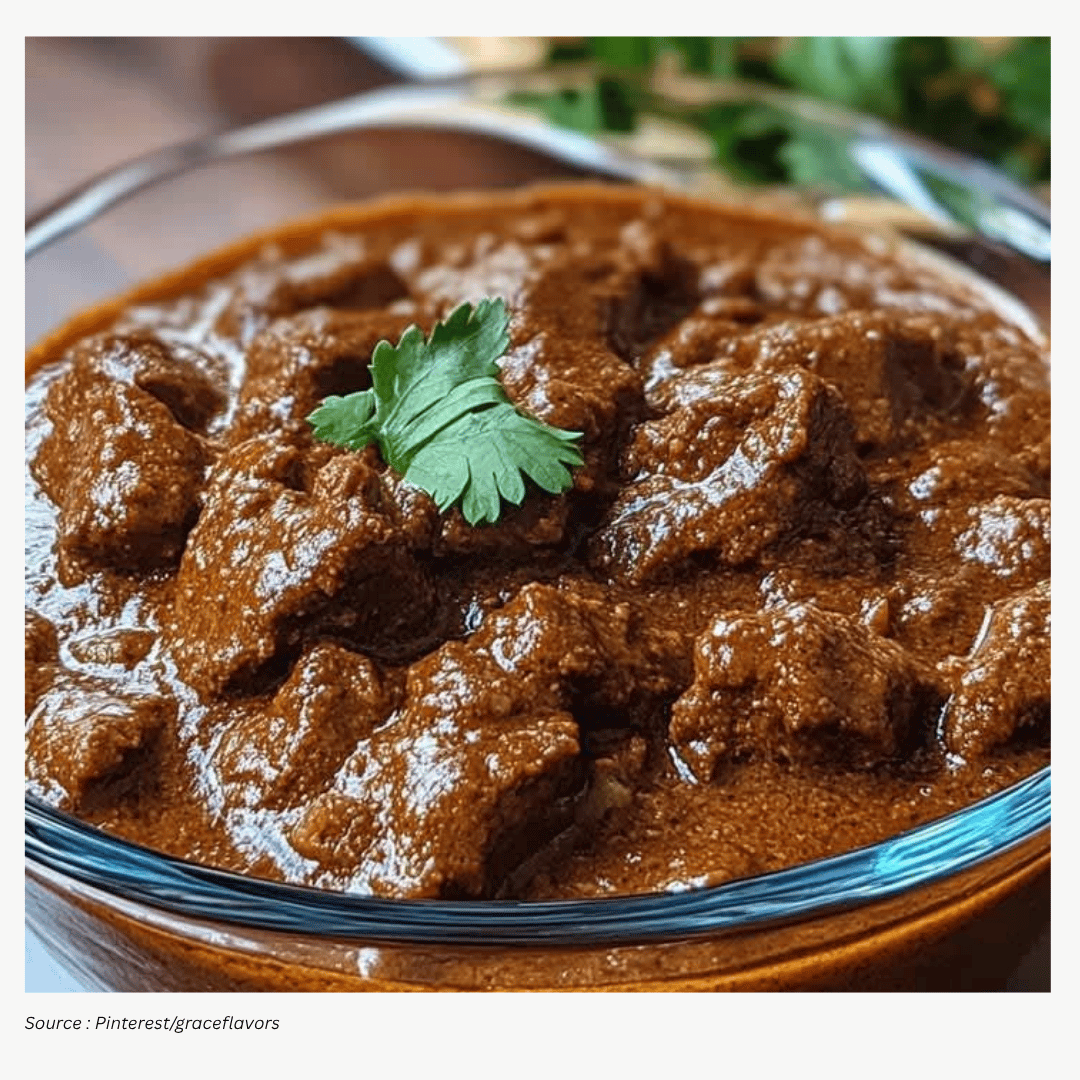
A flavor-packed Beef Madras for an easy dinner
Beef madras is the kind of dinner that’s meant to feel vivid: tender beef, aromatic spices, and a rich curry-like sauce that brings everything together. When you want a meal that feels warming and full of character, this dish fits the bill without requiring complicated steps. The approach is straightforward—sear the beef, build the spice base, then let time do the heavy lifting until the meat turns tender and the sauce becomes deeply flavored.
For many home cooks, Indian-inspired dinners are a reliable way to “awaken the senses,” thanks to the depth that comes from layering aromatics and spices. If you already enjoy dishes like chicken bhuna, beef biryani, or creamy coconut curry chicken, beef madras is another option to add to the rotation—comforting, bold, and adaptable to your own tastes.
What Beef Madras is, and where it comes from
Beef Madras is described as a flavorful and spicy curry dish that originates from the Southern Indian city of Madras, now known as Chennai. At its core, it features beef cooked in a rich and aromatic sauce with a blend of traditional Indian spices. While the name may suggest intense heat, the version outlined here is built more around warmth and aroma than overwhelming spice, making it approachable for a wide range of palates.
Why the slow cooker method works
The appeal of this recipe is as much about convenience as it is about flavor. The slow cooker method allows you to do the key flavor-building steps up front—browning the beef and developing the aromatics and spices—then transfer everything to cook gently over several hours. That long, steady cook time helps tenderize the beef and gives the spices time to infuse the sauce.
Importantly, a slow cooker is not the only option. If you prefer staying at the stovetop, you can simmer the dish in a covered skillet for about an hour instead. The slow cooker is simply a convenient way to prep earlier in the day and have dinner ready when you are.
Flavor profile: warming, aromatic, and customizable
This beef madras is positioned as “not spicy” in the sense of being overwhelming. It has a pleasant warmth, but it should not be the kind of dish that makes you sweat. That said, the overall spice level is something you can adjust to your liking, especially if you enjoy more heat or want the spices to be more prominent.
The main goal is balance: a rich, curry-like sauce that clings to tender beef, with aromatics and spices providing depth rather than sharpness. The addition of lemon juice at the right moment helps brighten the dish and lift the heavier notes, keeping the sauce from tasting flat.
Core method: building layers of flavor
The cooking process is built around a few key phases: browning, blending aromatics, toasting spices, then slow cooking. Each step is designed to add a layer of flavor, so even though the recipe is easy to execute, it doesn’t taste one-dimensional.
- Sear the beef: Cook the beef in a large skillet until browned on all sides. This step creates savory depth and gives the meat a more robust flavor before it goes into the sauce.
- Make the aromatic base: In a food processor, puree onion, garlic, and ginger until smooth. This mixture becomes the foundation of the sauce.
- Brown the aromatics: Add the onion mixture and a bay leaf to the skillet and cook until browned. This concentrates flavor and reduces raw onion notes.
- Add spices and tomato paste: Stir in the spices and tomato paste. This helps bloom the spices and integrate the tomato paste into the base.
- Coat the beef: Return the beef to the skillet and add lemon juice, tossing so everything is coated.
- Add broth and season: Pour in broth and season with salt.
- Slow cook: Transfer to a slow cooker and cook on high for 4 hours or low for 8 hours.
Although the steps are simple, they are intentional. Browning both the beef and the onion mixture adds complexity. Stirring in spices and tomato paste before adding liquids helps the spices open up and prevents the sauce from tasting like it was simply “mixed together.”
Ingredient flexibility and swaps
As with many home-cooked curries, there’s room to adjust based on what you have. The recipe notes that you can switch things up if needed, and it mentions that some variations are possible. While the full ingredient list and detailed instructions are referenced as being in a recipe card, the method itself makes clear which components are central to the dish’s character: beef, onion/garlic/ginger, bay leaf, spices, tomato paste, lemon juice, broth, and salt.
If you’re planning ahead, the biggest practical consideration is making sure you have the aromatics ready to puree and a cooking vessel large enough to brown the beef and sauté the onion mixture before transferring to the slow cooker.
Slow cooker vs. stovetop: choosing your schedule
One of the most useful aspects of this dish is that it can fit different routines. The slow cooker option is designed for people who like to prepare in the morning and come back to a finished dinner later. Cooking on high for 4 hours or low for 8 hours gives you flexibility depending on your day.
If you’d rather not use a slow cooker, the stovetop method is an alternative: simmer the dish in the skillet, covered, for about an hour. This can be a better fit if you decide on beef madras later in the day and don’t want to wait for a longer slow-cook cycle.
How to serve Beef Madras
Beef madras is commonly served with rice or Indian bread such as naan or roti. These sides aren’t just traditional; they’re practical. Rice soaks up the rich sauce, while naan or roti can be used to scoop up both the meat and the curry-like gravy.
If you want something cooling or crisp alongside the warm spices, onion raita or a Kachumber salad are suggested pairings. Both can provide contrast in texture and temperature, which can make the overall meal feel more complete.
- Serve with rice for a classic, sauce-friendly base.
- Serve with naan or roti for a more hands-on, bread-and-curry style meal.
- Add onion raita for a cooling side.
- Add Kachumber salad for freshness and crunch.
Storage and leftovers
This dish is well-suited to making ahead or cooking once and eating multiple times. Leftovers store well in the fridge for 2–3 days in an air-tight container, making it a practical option for meal planning. It also freezes well for up to 3 months, which is helpful if you want to portion it out for future dinners.
- Refrigerator: 2–3 days in an air-tight container.
- Freezer: Up to 3 months.
Equipment considerations
The equipment you use can affect how the meal turns out. The process described relies on a few basics: a large skillet for browning the beef and cooking the onion mixture, a food processor for pureeing the onion, garlic, and ginger into a smooth base, and a slow cooker for the long, hands-off cooking stage. If you opt for the stovetop route, the skillet and a lid become even more important, since the dish is simmered covered for about an hour.
Practical tips to keep the process smooth
Even without a long list of technical steps, a few practical habits can make the cooking process feel easier and the final result more consistent. Browning the beef on all sides before setting it aside helps develop flavor. Taking the time to brown the onion mixture and bay leaf before adding spices and tomato paste helps avoid a sauce that tastes raw or underdeveloped. Finally, tossing the beef with lemon juice before adding broth helps distribute brightness evenly through the dish rather than leaving it as an afterthought.
Because the dish is designed to be customizable, it can also be helpful to taste and adjust seasoning within your comfort zone, especially if you prefer more or less warmth from the spices.
A weeknight-friendly curry with depth
Beef madras delivers what many people want from a curry-style dinner: a rich sauce, tender meat, and the unmistakable aroma of spices that makes the kitchen smell like something special is happening. The method is approachable—sear, sauté, stir, and slow cook—yet the result is designed to feel like more than the sum of its parts.
Whether you choose the slow cooker for set-it-and-forget-it ease or the stovetop for a faster timeline, this is a dish built for repeat cooking. Serve it with rice, naan, or roti, and consider adding onion raita or Kachumber salad on the side for contrast. And if you’re lucky enough to have leftovers, you’ll have a ready-made meal waiting in the fridge—or a freezer-friendly portion saved for later.