
Rigatoni Bolognese: A Hearty, Comforting Pasta Dinner Ready in About 45 Minutes
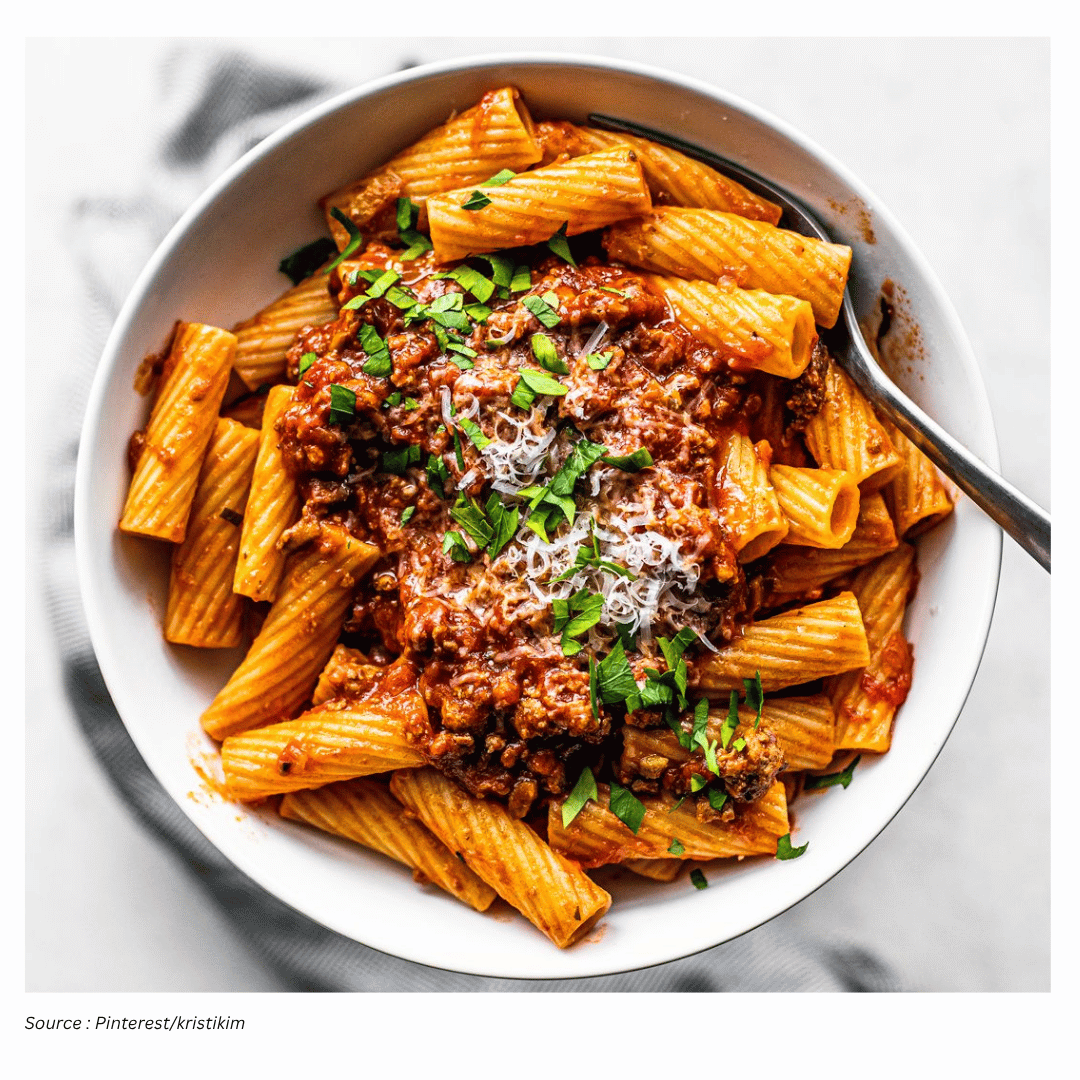
A classic comfort pasta with a practical weeknight timeline
There are plenty of reasons pasta shows up so often when people talk about comfort food. It’s warm, filling, and adaptable—easy to dress up or keep simple depending on the day. Rigatoni bolognese sits firmly in that comfort category, offering a sauce that’s rich and hearty without being complicated to make. This version is designed to be ready in about 45 minutes, which makes it a realistic option for a weeknight meal while still tasting like something you’d happily serve to guests.
At its core, bolognese is often described as a “fancier meat sauce.” That description is useful because it sets expectations: you’re building flavor in layers—starting with vegetables, then browning beef, then simmering with tomatoes and seasoning—rather than just warming up a quick tomato sauce. The result is a meat-based sauce with depth, balanced by a small amount of cream at the end for a smoother finish.
Why rigatoni works especially well with bolognese
Rigatoni is more than just a shape choice here. The ridges and wide tube structure help the sauce cling to the pasta, so each bite carries a good amount of meat and tomato. With bolognese—where the sauce is thicker and more substantial than a light marinara—this matters. Smooth, thin noodles can still work, but rigatoni’s texture and surface area are particularly good at “soaking up” the sauce.
This is also why rigatoni bolognese tends to feel satisfying even with a straightforward ingredient list. When the pasta holds onto the sauce well, the dish tastes cohesive and full-bodied, not like pasta and sauce sitting separately on the plate.
What makes bolognese different from spaghetti sauce
It helps to be clear about what you’re making, because “meat sauce” and “spaghetti sauce” are sometimes used interchangeably in casual conversation. Bolognese sauce is traditionally associated with Bologna, Italy, and it’s defined by being meat-based while also including tomatoes, wine, and either milk or cream. That dairy component is one of the distinguishing features, giving the sauce a rounded, mellow finish.
By contrast, spaghetti sauce is typically more tomato-forward and often doesn’t include meat at all. Even when it does, the overall emphasis is usually still on tomatoes rather than a meat-driven base. In practical terms, bolognese tastes richer and feels more substantial—especially when paired with a pasta shape like rigatoni that can carry it.
Ingredient flexibility: easy ways to vary the dish
One of the strengths of this rigatoni bolognese approach is that it’s adaptable. The recipe is presented as “pretty perfect,” but it also invites you to mix up ingredients depending on what you have or what your household prefers. The core method—building flavor from vegetables, browning beef, simmering with tomatoes, then finishing with cream and cheese—remains the same even when you make small adjustments.
Because the detailed ingredient list is typically organized in a recipe card format, it’s useful to think in terms of categories rather than a strict shopping list: vegetables for the base, beef for the main protein, herbs and spices for seasoning, tomatoes and tomato paste for body and sweetness, wine (or an alternative) for depth, and finishing ingredients like basil, nutmeg, cream, and Parmesan.
Step-by-step method: building flavor in layers
The technique here is straightforward, but each stage has a purpose. The recipe starts by creating a vegetable base that will underpin the sauce. Rather than chopping everything by hand, the vegetables are blended in a food processor. This creates a finer texture that can melt into the sauce, adding flavor without making the final dish feel chunky.
Once blended, the vegetables are sautéed in a large skillet with olive oil over medium-high heat. The goal is to brown them and evaporate excess water. That evaporation step is important: watery vegetables can dilute the sauce, while browning helps develop a deeper, more savory taste.
After the vegetables have browned and the excess moisture has cooked off, the beef is browned. Browning is not just “cooking until no longer pink”—it’s about developing color and flavor in the pan. When the beef is browned, herbs and crushed red pepper flakes are incorporated. Adding these at this stage helps bloom their flavor in the fat and heat rather than leaving them tasting raw.
Next comes deglazing with wine. Deglazing pulls up the browned bits from the bottom of the skillet—those concentrated pieces of flavor that form during sautéing and browning. If you prefer not to use wine, the recipe notes that beef or vegetable broth can be used instead. Wine adds flavor, but it’s not the only path to a good result.
After deglazing, tomatoes, tomato paste, salt, and pepper go into the skillet. The mixture is brought to a boil, then the heat is reduced so it can simmer for about 10 minutes. This simmering time allows the flavors to combine and the sauce to thicken slightly, without turning the recipe into a long all-day project.
Once the sauce has simmered, nutmeg, basil, and cream are stirred in. Nutmeg is used in small amounts, but it can make a noticeable difference by adding warmth and subtle complexity. Basil contributes freshness, and the cream rounds out the sauce’s acidity and gives it a smoother texture.
Finally, the cooked rigatoni is folded into the sauce along with Parmesan cheese. Folding the pasta into the sauce—rather than topping plain pasta with sauce—helps everything coat evenly. The Parmesan adds saltiness and richness, and it helps the sauce cling to the pasta even more.
Equipment that supports better results
The tools you use can influence how smoothly the recipe comes together. This approach specifically calls for blending vegetables in a food processor, which means that appliance plays a central role in achieving the intended sauce texture. A large skillet is also important, since you’ll be sautéing vegetables, browning beef, and simmering sauce in the same pan. That one-pan progression isn’t just convenient; it also keeps the browned bits and built-up flavor in the dish rather than losing them to extra transfers.
Beyond those essentials, the rest is standard: something to boil the rigatoni, and basic utensils for stirring and folding. The emphasis is less on specialized gear and more on using the right size pan so the ingredients brown rather than steam.
Make-ahead, storage, and freezing guidance
Rigatoni bolognese is a practical dish for leftovers. Stored in an airtight container in the refrigerator, it will last about three days. That makes it a strong candidate for cooking once and eating multiple times, whether for lunches or quick dinners.
It also freezes well for longer storage. You can keep it in the freezer for up to three months. Freezing is especially helpful if you want to portion out servings for later, though the key is still using airtight containers to protect the flavor and texture.
How to reheat without drying it out
Pasta dishes can dry out when reheated, especially when the sauce has thickened in the fridge. The preferred method here is to reheat the leftover pasta in a skillet with a splash of water. Warm it over medium-low heat until heated through. The small amount of water helps loosen the sauce so it coats the pasta again rather than turning sticky.
A microwave works as well if you need speed. Place the pasta in a microwave-safe bowl, add a splash of water, and microwave for one minute. Stir, then microwave for another minute or until heated through. Stirring between intervals helps distribute heat more evenly and prevents hot spots.
Serving ideas: what to pair with rigatoni bolognese
This dish is designed to stand on its own, and it often does—rigatoni, meat sauce, and Parmesan can be a complete and satisfying bowl. That said, it can also be served with a variety of sides. The best pairings are the ones that complement a rich sauce: something simple, something crisp, or something that can help scoop up what’s left on the plate.
Because side options can vary widely by preference, the main takeaway is flexibility. You can keep the meal minimal with one additional item, or build it into a larger spread if you’re serving a group.
Practical notes for success
Brown the vegetables thoroughly: Sauté until they’ve browned and excess water has evaporated to avoid a diluted sauce.
Take time to brown the beef: Color in the pan contributes to flavor and makes the sauce taste more developed.
Deglaze thoughtfully: Wine adds flavor, but broth (beef or vegetable) can be used as a replacement while still lifting the browned bits.
Simmer briefly but intentionally: The 10-minute simmer helps the tomatoes, tomato paste, and seasonings come together.
Finish with cream, basil, and nutmeg: These final additions shape the sauce’s signature balance—rich, aromatic, and smooth.
Toss pasta with sauce and Parmesan: Folding everything together in the pan helps the ridges of rigatoni capture the sauce.
A dependable recipe to keep in regular rotation
Rigatoni bolognese earns its place among classic comfort meals because it’s both familiar and a little elevated. It’s grounded in a meat-based sauce with tomatoes and seasoning, but it also includes the touches—wine for depth, cream for richness, nutmeg and basil for nuance—that make it feel more intentional than an everyday red sauce.
With a total time of about 45 minutes, it’s also approachable. The method is clear: blend and brown the vegetables, brown the beef, season, deglaze, simmer, and finish with cream and cheese before folding in the pasta. It’s the kind of process that becomes second nature after a couple of tries, and it’s easy to adjust within the same framework when you want to change things up.
Whether you’re making it for a family dinner, saving portions for the next few days, or freezing some for later, this rigatoni bolognese is built to deliver the hearty, comforting flavor people expect from a classic pasta night.