
Homemade Oven-Baked Meatballs: A Simple, Flavor-Packed Recipe You’ll Actually Want to Make
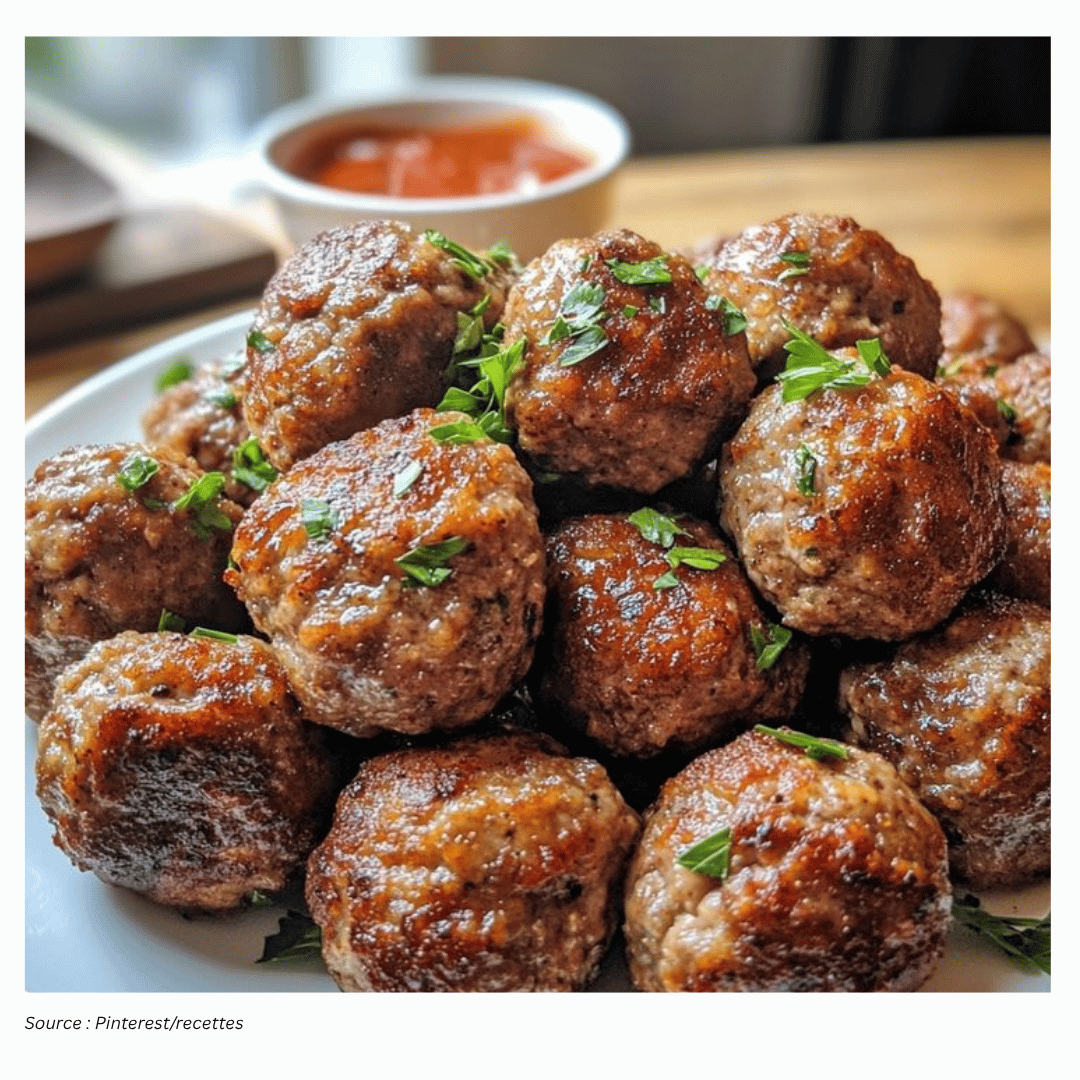
A comfort-food classic worth making at home
Spaghetti and meatballs is one of those dishes that tends to follow people from childhood into adulthood. It’s familiar, filling, and easy to crave—especially when you want something that feels like a proper meal without being overly fussy. Because it’s so common, it’s also a dish many people default to buying in a shortcut form, especially the frozen meatballs that can be tipped straight into a pot of sauce.
But there’s a reason homemade meatballs keep their reputation as a step above. When you make them yourself, you can aim for a very specific result: a meatball with a charred exterior and a moist, flavorful interior. That contrast—deep browning on the outside, tenderness inside—is what separates a “so-so” meatball from one you remember.
This approach is built around a simple idea: oven-baked meatballs can be straightforward to prepare, and the payoff is a texture and flavor you just don’t get from the freezer aisle. Once you’ve tried a homemade version that hits those marks, it’s hard not to notice the difference.
What makes a “quality” meatball?
People who have eaten plenty of meatballs tend to judge them on a few key traits. The first is the exterior. A good meatball should have a browned, slightly charred outside—something that signals real cooking and concentrated flavor. The second is the interior: it should stay moist, not dry or crumbly, and it should taste seasoned and satisfying instead of bland.
Homemade meatballs are especially good at delivering this combination because you control the ingredients and the method. You’re not relying on a pre-cooked product that has to be formulated for long shelf life. Instead, you can focus on the eating experience: how it tastes in sauce, how it holds up on pasta, and how it bites when tucked into a sandwich.
The meat: beef and pork, or whatever fits your table
For flavor, a combination of beef and pork is a popular choice. Using two meats can create a richer, more rounded taste, and it’s often the blend people associate with classic Italian-style meatballs. That said, this isn’t a rigid rule. You can make excellent meatballs using all beef or all pork if that’s what you have or prefer.
If you’d rather go lighter, ground turkey or chicken can also be used. The method and overall idea remain similar, even if the final flavor profile shifts with the meat. The key takeaway is flexibility: you can tailor the meat to your preferences without abandoning the goal of a browned exterior and a moist center.
The binder: Italian breadcrumbs, panko, homemade crumbs, or even crackers
Breadcrumbs are one of the most practical tools in a meatball recipe. They help create structure and contribute to the final texture. If you keep Italian breadcrumbs on hand, they’re an easy option. But if you don’t, there are several workable alternatives that can keep your plans intact.
Panko: A common pantry staple that can stand in for Italian breadcrumbs.
Homemade breadcrumbs: If you have leftover bread, you can turn it into crumbs by pulsing it in a food processor.
Crushed crackers: A practical backup when you’re short on breadcrumbs and want to keep moving.
This kind of flexibility matters because meatballs often come up as an “I need dinner” solution. Being able to adapt the breadcrumb component means you’re less likely to abandon the idea and reach for frozen meatballs instead.
Why oven-baked meatballs are such a good home method
Oven baking is a dependable way to cook meatballs evenly while encouraging browning. It’s also convenient: you can shape a batch, bake them, and then decide how you want to serve them. Once they’re baked, they can go directly into sauce, onto a sandwich, or into another dish.
For many home cooks, oven baking also helps with consistency. You’re not juggling a pan on the stove or worrying about turning each meatball at exactly the right time. Instead, you can focus on forming them evenly and letting the oven do the work. The aim remains the same: charred outside, moist inside.
Choosing a sauce: pair with what you crave
One of the best things about meatballs is how easily they match different sauces. You can pair them with any type of sauce you’re in the mood for, and they’ll still feel like a complete, comforting meal. That said, it’s hard to beat the classic pairing with a roasted tomato sauce, which complements the browned exterior and brings a familiar Italian-style balance to the plate.
The broader point is that the meatballs don’t lock you into one direction. You can keep the batch neutral enough to work across different meals, then choose the sauce based on what you want that day.
How to serve homemade meatballs (beyond spaghetti)
Spaghetti and meatballs may be the headline act, but it’s far from the only way to use a batch. Once you have meatballs with the right texture and flavor, they become a versatile building block for several meals.
Over pasta: The most obvious and most loved option—meatballs with sauce over spaghetti or another pasta shape.
In a sub: Meatballs tucked into a roll make an easy, hearty sandwich.
On pizza: A particularly satisfying use—meatballs can be added as a pizza topping for a more substantial bite.
Thinking this way can make homemade meatballs feel less like a one-off project and more like a practical prep item. Cook once, then use them in multiple formats.
Freezing meatballs: a homemade alternative to the frozen aisle
One reason frozen meatballs are popular is convenience. But you can build that convenience into your own routine by freezing your homemade batch. The process is straightforward and designed to keep the meatballs from sticking together.
Let the meatballs cool enough to handle. If any fat has released, scrape it off. Then place the meatballs in a single layer on a baking sheet and freeze them. Once they’re frozen solid, transfer them to a freezer bag. This two-step method helps ensure they don’t clump into one large, stubborn mass.
To reheat, you have an easy path: place the frozen (or thawed) meatballs into your sauce and cook them until heated through. This approach preserves the homemade advantage while giving you the same weeknight ease people often seek from store-bought options.
A practical mindset: homemade without making it complicated
It’s easy to assume that “homemade” automatically means time-consuming. But meatballs are one of the rare dishes where homemade can still be simple. The ingredient list is adaptable, the cooking method is hands-off once they’re in the oven, and the end result can be used in multiple meals.
If you’ve ever wondered whether it’s worth the effort, the main argument is the eating experience. A meatball with a properly browned exterior and a moist, flavorful center doesn’t just taste better—it changes the whole dish, whether it’s a bowl of spaghetti, a meatball sub, or a slice of pizza.
Ingredient flexibility at a glance
To keep this recipe approachable, it helps to remember the acceptable swaps that still stay true to the method and outcome.
Meat options: A beef-and-pork blend for flavor, or all beef, all pork, ground turkey, or ground chicken.
Breadcrumb options: Italian breadcrumbs, panko, homemade breadcrumbs made from leftover bread in a food processor, or crushed crackers in a pinch.
Serving options: Pasta, subs, pizza, or simmered in your preferred sauce.
This flexibility is part of what makes meatballs such a reliable home-cooking staple. You can work with what’s already in your kitchen and still land on something that tastes intentional.
Putting it all together
Homemade oven-baked meatballs are a reminder that classic comfort food doesn’t have to be complicated to be good. With a simple approach and a few adaptable ingredients, you can make meatballs that deliver the qualities people actually want: a charred exterior, a moist interior, and enough flavor to stand up to sauce, pasta, bread, or even pizza.
If you’ve been relying on frozen meatballs for speed, consider making a batch and freezing your own. You’ll keep the convenience while upgrading the taste and texture in a way that’s hard to miss once you’ve tried it.