
Smoked Pulled Beef: Brisket-Style Flavor With a Chuck Roast
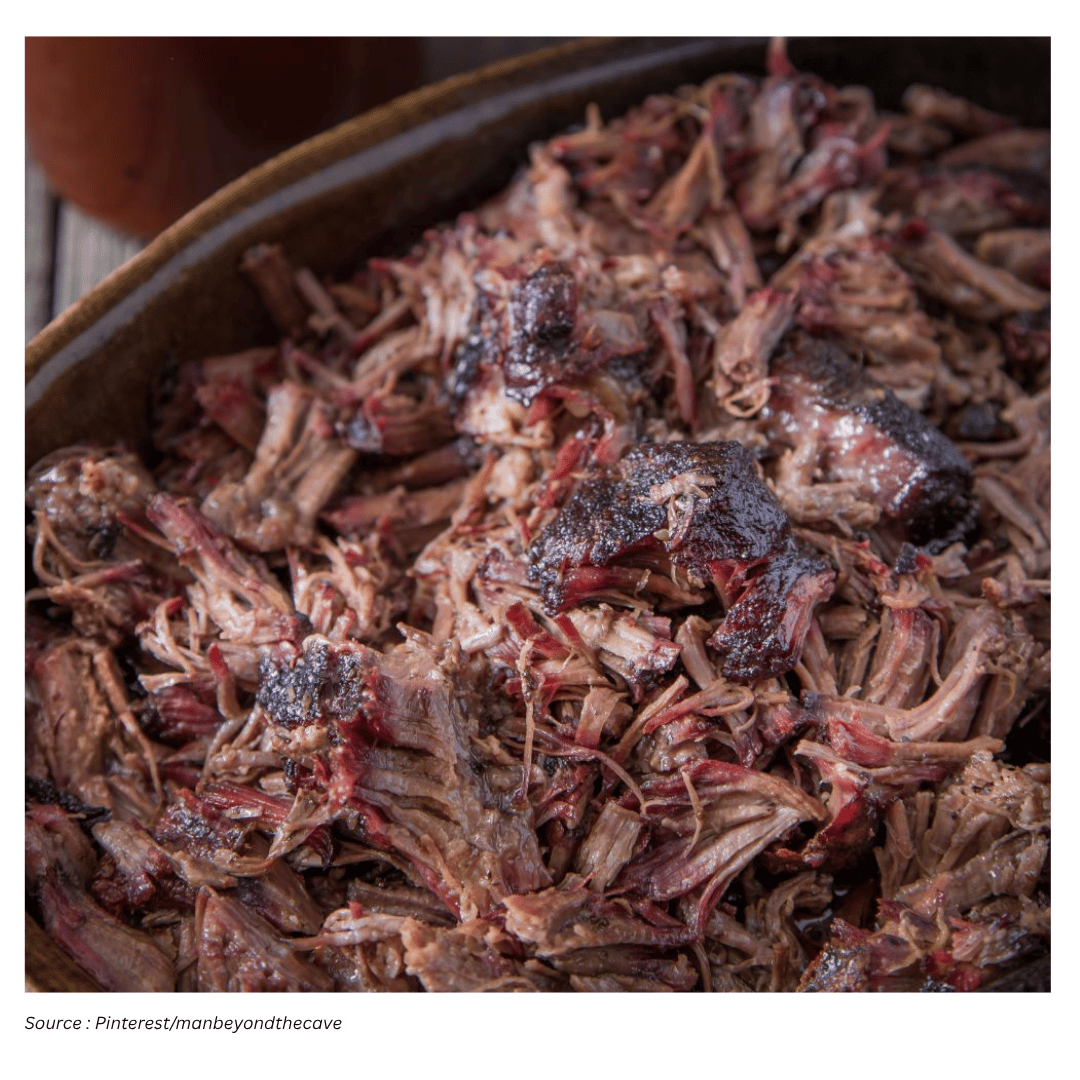
A smoker’s classic technique, applied to beef
Smoked cooking opens the door to an almost endless list of possibilities. From chicken and brats to lobster tails, meatloaf, and pork loin, the method is adaptable across proteins and styles. Still, for many cooks, the mental picture of a smoker often starts with something like pulled pork butt—meat cooked low and slow until the fat renders and the connective tissue breaks down, creating a tender, fall-apart texture.
The same approach works beautifully with beef, particularly chuck roast. Chuck is often associated with pot roast and slow-cooker meals, but it responds extremely well to smoke and time. When treated like a “pulled” barbecue cut, it can deliver a moist, tender result with the rich, beefy satisfaction many people associate with brisket—without the same expense or the same level of time commitment.
This article walks through the core process for smoked pulled beef using chuck roast: how to season it, smoke it, spritz it, finish it covered with broth and onions, and shred it into a versatile filling for meals and gatherings. Along the way, you’ll also find guidance on timing, target temperatures, storage, and ways to serve it.
Why chuck roast is a strong choice for pulled beef
Chuck roast is a practical cut for smoking when your goal is pulled beef. Like other tough, hardworking muscles, it contains connective tissue that needs time and heat to break down. Low-and-slow cooking is designed for exactly that job. As the internal temperature rises and the cook progresses, collagen softens and the meat transitions from firm slices to a shreddable texture.
This is also why there’s no need to reach for expensive cuts. The point of the technique is to transform a cut that starts out relatively tough into something that “melts in your mouth” once the connective tissue has had enough time to break down. For this style of recipe, chuck roast and brisket are the go-to options, with chuck often favored for its accessibility and value.
Ingredient flexibility and the role of the rub
As with most smoked recipes, the precise ingredient choices can be adjusted to suit your preferences. The foundation is a dry rub applied generously to the exterior of the meat. The rub is more than a seasoning layer: it helps build a flavorful crust during the smoke and provides a consistent baseline taste that carries through after shredding.
The process begins by combining the rub ingredients in a bowl. Once mixed, coat the chuck roast thoroughly, covering the exterior so the seasoning is evenly distributed. A generous coating is important because the final dish is shredded; seasoning on the surface becomes seasoning throughout once the meat is pulled and mixed.
While the full ingredient list and exact measurements are typically presented in a recipe card format, the key idea is straightforward: build a rub you enjoy, mix it well, and apply it liberally.
Step-by-step method: smoke, spritz, cover, and finish
The cooking method for smoked pulled beef follows a clear progression. It starts uncovered on the smoker to absorb smoke and develop exterior flavor, then finishes covered with liquid to push the meat through the final stage of tenderness.
- Season the chuck roast: Mix the rub ingredients in a bowl and coat the roast generously.
- Start smoking fat-side up: Place the chuck roast directly on the grill grates with the fat side facing up. Smoke at 225°F until the internal temperature reaches 165°F, which is noted as taking approximately 3 hours.
- Spritz during the cook: Spritz the roast with 1 cup of beef broth every hour during this smoking phase. This helps maintain moisture on the surface as it cooks.
- Move to a covered pan: Transfer the roast to a disposable aluminum foil pan. Add the remaining 1 cup of beef broth and sliced onions.
- Seal and continue cooking: Seal the pan tightly with foil and continue cooking until the internal temperature reaches 202°F.
- Rest and shred: Let the roast rest for 15 minutes before shredding.
This two-stage approach—smoke first, then cover with broth and onions—balances flavor development with the practical need to tenderize the meat thoroughly. The uncovered phase is where smoke flavor is built; the covered phase helps the roast power through the final temperature range where collagen breakdown produces the pulled texture you’re after.
Understanding temperature targets: from 165°F to the shredding zone
Two internal temperature milestones matter most in this method: 165°F and roughly 200–205°F. The first target, 165°F, marks the point where the roast has spent enough time in the smoke to develop flavor and is ready to be moved into a covered environment with broth and onions. The second target is the tenderness range.
For pulled beef, the goal isn’t simply “cooked”—it’s “shreds easily.” That typically happens when the internal temperature reaches around 200–205°F. In that range, collagen has time to break down, and the meat becomes tender enough to pull apart without a fight. The method described here uses 202°F as the finishing target, which sits right in the middle of that ideal range.
Once the roast reaches the final temperature, a short rest—15 minutes—helps the meat settle before shredding. Resting is a simple step, but it can make the shredding process smoother and the final texture more consistent.
Timing: why estimates vary so widely
Cook time is one of the most variable parts of smoking beef. A general guideline cited for smoking beef at 225°F is about 2 hours per pound. By that estimate, a 4 lb chuck roast might take around 8 hours.
In practice, though, every cut behaves differently. Some roasts may finish much sooner, and some may take significantly longer. It’s noted that a roast could be done in as little as 5 hours or take as long as 14 hours. That range is a reminder to plan for flexibility and to rely on internal temperature, not the clock, as the true indicator of progress.
If you’re cooking for guests or working against a schedule, it helps to build in extra time. The good news is that once pulled beef is finished, it can be held and used in many formats, making it well-suited to gatherings and make-ahead planning.
Shredding and texture: what you’re trying to achieve
The payoff of the low-and-slow approach is texture. When the connective tissue breaks down properly, the meat shreds easily and stays moist. This is why chuck roast works so well here: the smoker “does its job” over time, transforming a tougher cut into tender strands that can be piled onto buns, tucked into tortillas, or plated alongside sides.
Because the meat is shredded, the final dish also tends to be forgiving. Small differences in rub composition, smoke intensity, or how you portion the shredded beef can be adjusted after cooking. If you like a stronger seasoning profile, you can mix the shredded meat thoroughly so the bark and interior distribute evenly.
Storage: fridge and freezer guidance
Smoked pulled beef is also useful because it stores well. Once cooled, it can be kept in an airtight container in the refrigerator for up to 5 days. For longer storage, it can be frozen for up to 3 months.
This makes it a practical option for meal prep, leftovers, or cooking ahead for a party. You can smoke a roast when you have time, then portion it for later meals without losing the core benefit of the recipe: tender, shredded beef with smoky flavor.
Serving ideas: a versatile base for meals
One of the biggest advantages of pulled beef is how many different ways it can be used. Once the roast is shredded, it becomes a flexible centerpiece that can fit casual weeknight meals and larger gatherings alike. The recipe notes that there are many options for serving, and that the list can go far beyond a few examples.
Because the pulled beef is rich and tender, it can act as a filling, topping, or main protein depending on how you build the plate. It’s also easy to scale: one roast can be stretched across multiple meals, especially when paired with sides.
Pairing with sides for parties and group meals
Pulled beef is described as a great party food—which naturally raises the question of what to serve with it. While specific side dishes are not detailed here, the key takeaway is that pulled beef benefits from “tasty sides” to round out the meal. For hosting, the shredded format is convenient: guests can serve themselves, and the beef can be offered in multiple formats (for example, as a main with sides or as part of build-your-own plates).
Because the meat is already intensely flavored from the smoke and rub, sides can be chosen to complement it, add texture, or provide contrast. The important point is that pulled beef is designed to play well with others on the table, making it a dependable anchor for gatherings.
Equipment and smoke flavor: choosing a method that imparts smoke
Equipment choice can significantly impact the final flavor. Since this is a smoked recipe, the goal is to impart smoke character into the beef, and the type of setup you use will influence how that smoke is delivered. The recipe highlights that there are different equipment options available, with the unifying requirement being the ability to produce and maintain smoke while holding a steady low temperature.
Regardless of the specific smoker or grill configuration, consistency matters: keeping the cook at 225°F, spritzing on schedule, and using internal temperature targets will do more for your final result than chasing a perfect time estimate.
A practical brisket-style alternative worth keeping in rotation
Smoked pulled beef made from chuck roast offers a clear promise: brisket-like satisfaction with a simpler, more budget-friendly approach. The method is approachable—season, smoke to 165°F while spritzing hourly with broth, then cover with broth and onions and cook until around 202°F. After a short rest, the roast should shred into tender strands.
From there, the recipe becomes less about strict rules and more about flexibility. Use the pulled beef in different meals, store it for later, and adapt the rub to your preferences. The core technique—low and slow until the collagen breaks down—does the heavy lifting, turning a classic pot-roast cut into a smoky, crowd-friendly staple.