
Smoked Filet Mignon With a Reverse Sear: Tender Steak, Subtle Smoke, and a Charred Finish
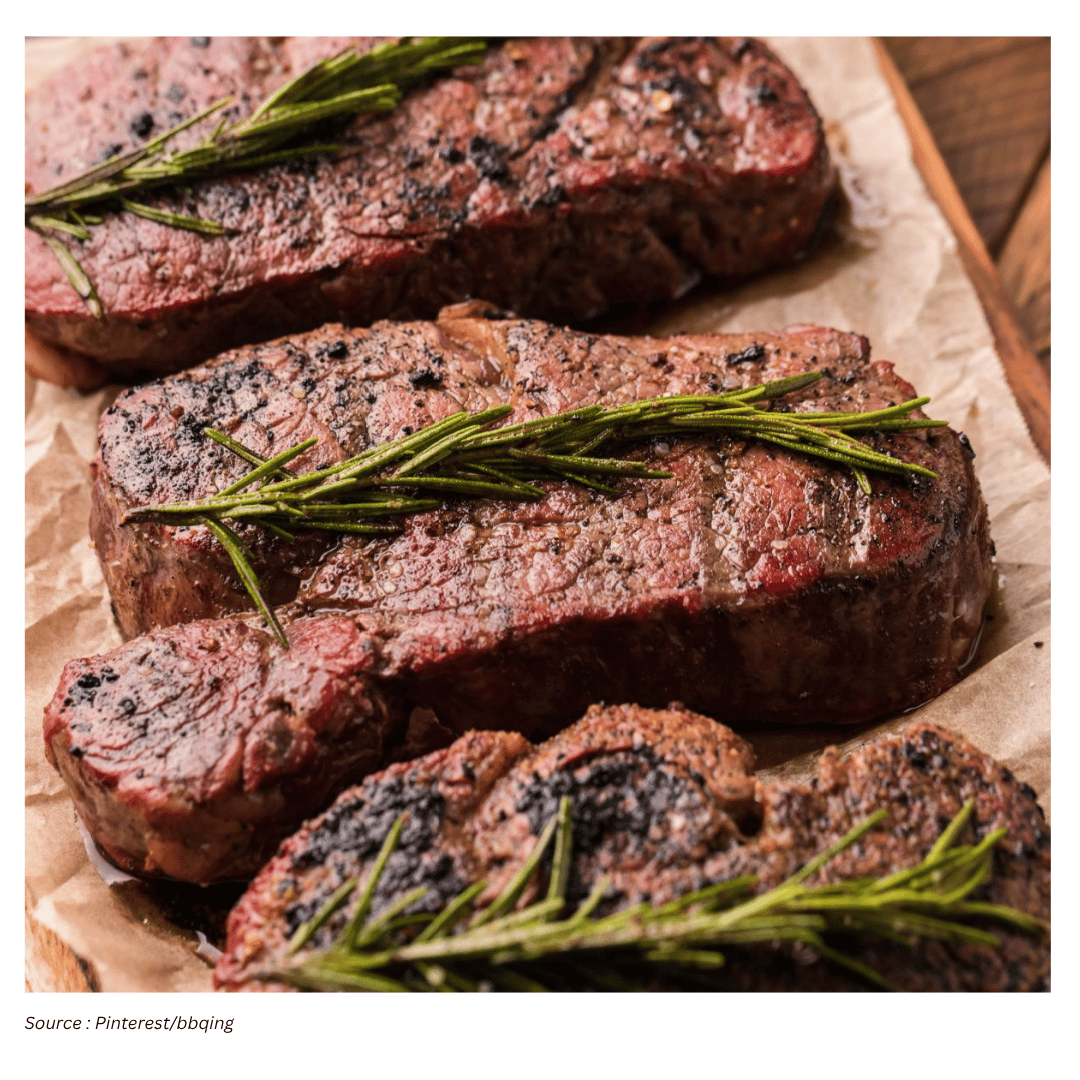
Why smoke a filet mignon?
When people think about smoked cooking, they often picture longer, more traditional barbecue projects—chicken cooked low and slow, pulled pork, or wings that turn crisp after time in the smoke. Filet mignon usually isn’t the first cut that comes to mind. Yet smoking can be a surprisingly effective way to cook this steak, especially if you’re aiming for a specific internal temperature and an evenly cooked center.
Filet mignon comes from the middle cut of the tenderloin. It’s known for being exceptionally tender, with a mild flavor and little marbling. That mildness is exactly why it works well with simple seasoning and sauces—and why a subtle layer of smoke can add interest without overpowering the steak. The approach described here focuses on control: smoke the steak gently until it’s close to your desired doneness, then finish with a fast sear to build the charred exterior most people expect from a great steak.
The method in one sentence: smoke to temperature, then reverse sear
The core idea is straightforward: season the steaks, smoke them at 225°F, remove them when they are about 10°F below your target doneness, then reverse sear over high heat (in a skillet or on a grill) for a short burst to develop color and crust.
This is less about cooking by the clock and more about cooking by internal temperature. In practice, the smoking stage is often described as taking between 40 minutes and an hour, but the more reliable guide is the thermometer and the “10°F shy” rule before searing.
Seasoning: keep it simple, apply it generously
Because filet mignon is mild and tender, it doesn’t need a complicated rub to taste great. The described approach uses a classic combination: salt and pepper.
- Season the steaks liberally with salt and pepper on all sides.
That’s it—no long ingredient list required for the foundation. The reverse sear and the smoke do a lot of the heavy lifting, and a simple seasoning lets the beef stay at the center of the plate.
Smoking temperature and setup
Set your smoker to 225°F. This low temperature helps the steak cook gently and evenly. It also creates a window of time for smoke to add flavor without rushing the exterior into overcooking before the center is ready.
- Place the seasoned steaks in the smoker at 225°F.
- Smoke until the steaks are 10°F from your desired doneness.
In the guidance provided, this stage can take between 40 minutes and an hour. But the consistent advice is to treat time as an estimate and temperature as the real finish line.
Wood choice: go stronger for a short smoke
Because filet mignon doesn’t spend all day in the smoker, the smoke exposure is relatively brief. The recommendation is to choose a stronger wood so the flavor actually shows up in the final steak.
- Suggested stronger woods: hickory, mesquite, or oak.
The point isn’t to make the steak taste like a campfire; it’s to add “just the right amount of smoke.” A stronger wood can help achieve that in about an hour of smoking.
Doneness: use temperature ranges as a practical guide
For steak, internal temperature is the simplest way to match the result to your preference. The guidance here includes a full set of ranges to use as a reference:
- Rare: 120˚F to 125˚F
- Medium-rare: 130˚F to 135˚F
- Medium: 140˚F to 145˚F
- Medium-well: 150˚F to 155˚F
- Well-done: 160˚F to 165˚F
One additional note matters for appearance: steaks can look pink from the smoke. That color can be part of the smoking process, so judging doneness by temperature is especially helpful.
Reverse searing: three equipment options
Once the steaks are smoked to within 10°F of your target, the next step is the reverse sear. This is where you build the charred exterior and deepen flavor through high heat. The method offers three practical routes depending on what you have available.
Option 1: Sear on the pellet grill
If your pellet grill has sear plates, you can stay outdoors and do everything on one cooker.
- Use sear plates on the pellet grill.
- Crank the temperature up to 450°F.
- Char the steaks after smoking.
Option 2: Sear on a gas grill
If you smoked the steaks and want a fast, high-heat finish on a different grill, a gas grill can do the job.
- Heat the gas grill to 450°F.
- Sear the steaks when they are done smoking.
Option 3: Sear in a cast iron skillet
If you don’t have sear plates or a gas grill—or you simply prefer the control of a pan—cast iron is the recommended tool.
- Heat a cast iron skillet over medium-high heat.
- Add butter.
- Sear the steaks for 1–2 minutes per side.
This quick sear is designed to add crust without undoing the careful, even cooking achieved during the smoking step.
A clear example: medium doneness with a reverse sear
If you like your filet mignon medium, one stated target is to cook to 130°F during the smoking stage and then reverse sear. The “smoke first, sear last” sequence is what creates the contrast between a tender interior and a browned exterior. And because filet mignon is prized for tenderness, the method aims to avoid overcooking while still delivering the steakhouse-style finish.
If you can’t find filet mignon
Filet mignon is a specific portion of the tenderloin. If it’s not available, the suggested substitute is straightforward:
- Use beef tenderloin.
The same general approach—season, smoke at 225°F, then reverse sear—can still apply.
What to serve with smoked filet mignon
Steak dinners often bring potatoes to mind, and that’s a common pairing. The guidance also notes that there are plenty of options beyond that, leaving room to match sides to the occasion and your own preferences.
Practical notes from home cooks who tried it
Several at-home experiences reinforce why this technique has become a go-to for some people. One cook described trying the method for the first time for a special occasion and finding it easier than expected, with results that exceeded expectations—good enough to become their “new go-to method.” Another person reported great results on a pellet grill and planned to repeat the cook again, even when switching to apple wood pellets simply because that was what they had on hand.
Others emphasized the texture this approach can create. One cook described the low-and-slow smoke as behaving “like a sous vide,” producing evenly cooked and juicy filets, then finishing with a high-heat grill step and resting with a garlic compound butter. Another person noted that searing on cast iron outdoors (on a propane grill) helped avoid smoking out the kitchen—an example of how the same basic technique can be adapted to different setups.
Not every cook follows the same tools or habits. One comment mentioned using Worcestershire sauce and bacon-wrapping over oak and mesquite with tenderloin, focusing on minimizing waste and maximizing tenderness. Another perspective highlighted a more instinctive style—letting the fire dictate timing and skipping a temperature gauge—underscoring that people approach smoke and heat in different ways. Even so, the central method presented here remains consistent: smoke gently to near your desired temperature, then sear quickly for the crust.
Step-by-step summary you can follow
- Season filet mignon steaks liberally with salt and pepper on all sides.
- Preheat the smoker to 225°F.
- Smoke the steaks until they are about 10°F below your preferred doneness (often 40 minutes to 1 hour, but cook to temperature).
- Finish with a high-heat reverse sear using one of the following:
- Pellet grill sear plates at 450°F, or
- Gas grill at 450°F, or
- Cast iron skillet over medium-high heat with butter, searing 1–2 minutes per side.
Why this approach works for a tender cut
Filet mignon is already tender; the challenge is cooking it precisely without drying it out, while still getting the browned exterior that makes steak so appealing. Smoking at 225°F offers controlled, gentle heat to bring the steak close to the exact doneness you want. The final reverse sear—short and hot—adds the char and exterior texture without forcing you to keep the steak over high heat for long.
The end result is the balance described at the start: a juicy and tender steak with subtle smoke flavor and a charred exterior. If you’ve typically reserved smoking for larger barbecue cuts, this is a practical way to bring that same smoke-driven depth to a classic steak dinner—without turning filet mignon into a complicated project.