
Pan-Seared Cuban Mojo Chicken: A Bright, One-Skillet Dinner Built on Citrus, Garlic, and Cumin
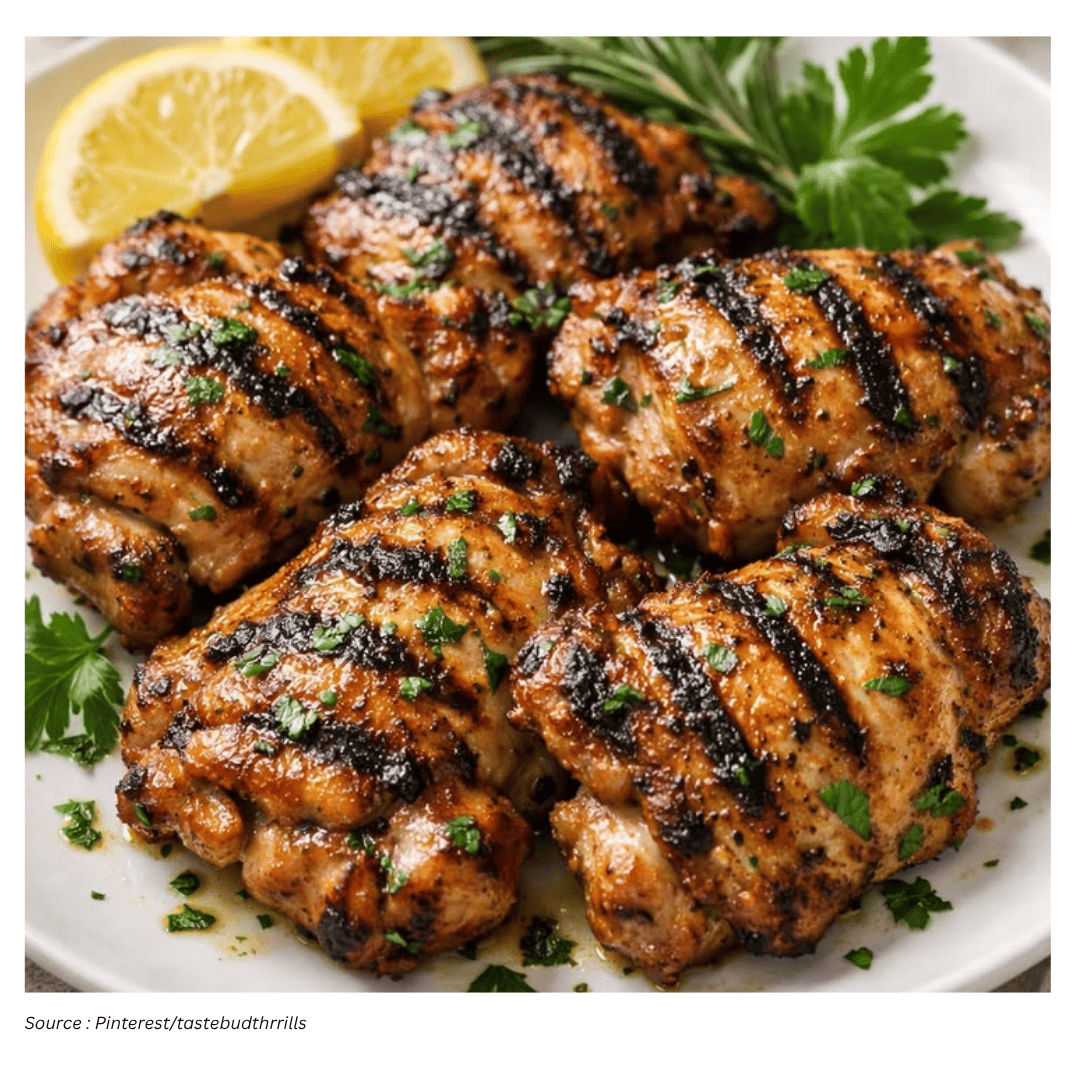
A fresh, zesty way to keep chicken exciting
Chicken is famously adaptable: it can take on nearly any flavor profile, from deeply savory to bright and citrusy. That flexibility is a gift, but it also means chicken can feel repetitive if you don’t have a few reliable, high-impact preparations in your rotation. Cuban mojo chicken is one of those dependable answers—especially for cooks who love food that tastes fresh, herby, and lively rather than heavy.
This particular approach to mojo chicken is designed for strong flavor without complicated technique: the chicken marinates overnight, gets a quick sear for color and crispness, and then finishes in the oven in the same skillet. The payoff is a dinner that feels both comforting and vibrant, with a sauce built from the pan drippings and the reserved marinade.
What makes mojo chicken taste like mojo chicken
Mojo chicken is widely associated with a clean, punchy flavor that comes from a citrus-forward marinade. In this version, the marinade is blended until smooth and combines olive oil, orange juice, lime juice, cilantro, garlic, soy sauce, oregano, cumin, salt, pepper, and chipotle hot sauce. The result is tangy and aromatic, with a subtle warmth if you include the hot sauce.
There’s a reason the dish tastes so “alive”: the citrus juices and herbs bring brightness, while garlic and cumin give it backbone. The soy sauce supports the marinade with savory depth, and the olive oil helps carry flavor across the surface of the chicken. After the overnight rest, the chicken doesn’t just taste seasoned on the outside—it tastes infused.
Choosing chicken pieces that cook evenly
The recipe is built around bone-in, skin-on chicken for maximum juiciness and flavor. A mix of bone-in, skin-on breasts and thighs works well, but the key is sizing: pieces should be similar in thickness so they cook at the same pace. If you’re using breasts alongside thighs, halving the breasts can help them match the thighs more closely, reducing the risk of overcooking one piece while waiting for another to finish.
You can also choose to go all white meat, all dark meat, or a combination. Drumsticks can work too, as long as you commit to that style of piece. Wings are best avoided unless you’re making an all-wing batch, since their size and cooking time can complicate a mixed assortment.
Bone-in remains the preferred option here because it helps the chicken stay juicy and flavorful through the sear-and-bake method. That said, boneless chicken can still be marinated in the same way—just expect a shorter cooking time.
Ingredients for the blended mojo marinade
This dish is defined by its marinade, so it helps to gather everything before you start. You’ll blend the following into a smooth sauce:
- Olive oil
- Cilantro
- Orange juice
- Lime juice
- Garlic cloves
- Soy sauce
- Chipotle hot sauce (optional, adjustable)
- Oregano
- Cumin
- Salt
- Pepper
For serving, it’s also helpful to have extra citrus slices and fresh herbs on hand as garnish. That final touch reinforces the freshness that makes mojo chicken so appealing.
Why fresh-squeezed citrus matters here
Convenience is tempting—carton orange juice and bottled lime juice are easy to grab—but this is one of those recipes where freshness is central to the final flavor. The citrus is not a background note; it’s the main event. Using fresh-squeezed orange and lime juice delivers the brightness and clarity that the dish is built around, and it pairs cleanly with garlic and cumin.
If you’re going to be strict about any part of the ingredient list, this is it: keep the fresh citrus juice, garlic, and cumin as written. Those elements are the foundation of the marinade’s character.
Step-by-step: pan-seared, then oven-finished mojo chicken
This method is straightforward, but each stage has a purpose: marinating for depth, resting for even cooking, searing for browning, and baking for doneness and tenderness.
- Blend the marinade: Place olive oil, cilantro, orange juice, lime juice, garlic cloves, soy sauce, chipotle hot sauce, oregano, cumin, salt, and pepper in a blender. Blend until smooth, then set aside.
- Prep the chicken: Pat the chicken pieces dry with paper towels.
- Marinate overnight: Place the chicken in a large casserole dish. Cover with plastic wrap and marinate in the refrigerator overnight.
- Rest before cooking: Remove the chicken from the casserole dish, letting excess marinade drip off, and place it on a wire rack. Let it rest for 30 minutes.
- Sear for color: Heat olive oil in a large oven-proof skillet over medium-high heat. Working in batches if needed, add the chicken and sear on both sides until browned.
- Build the pan sauce: Remove the chicken from the skillet. Add the reserved marinade to the skillet and stir to combine with the pan drippings.
- Bake until cooked through: Loosely tent the skillet with aluminum foil and place it in the oven. Bake for 35 minutes or until the chicken is cooked through.
- Garnish and serve: Remove from the oven and serve with fresh citrus and herbs.
Because the reserved marinade is stirred into the pan drippings, the sauce carries both the bright blended flavors and the savory depth created during searing. That combination is what makes the final dish taste cohesive rather than simply “marinated.”
Customizing the marinade without losing the mojo identity
While the citrus, garlic, and cumin are essential, there’s room to adjust other ingredients for preference or pantry realities.
- Cilantro alternatives: Cilantro contributes a signature fresh herbal note, but if you dislike it, you can swap in parsley. A parsley–Thai basil combination is another option that keeps the herb profile bright.
- Fresh vs. dried oregano: Fresh oregano can be replaced with dried oregano. If you use dried, reduce the amount significantly—use 1 teaspoon dried oregano in place of 1 tablespoon fresh.
- Heat level: Chipotle hot sauce adds a gentle, smoky-leaning heat. You can increase it if you want more spice, or omit it entirely if you prefer no heat and don’t want that chipotle-forward note.
These changes let you tailor the dish while keeping the overall profile firmly in the “mojo” lane: citrusy, garlicky, and cumin-scented.
Grilling option: turning mojo chicken into a cookout-friendly main
If you’d rather take the dish outdoors, the chicken can also be grilled. The strategy is to use two heat zones so you can get color without burning and finish cooking gently.
- Preheat one side of the grill to medium-high heat and the other side to medium-low.
- Start the chicken on the hotter side and grill just long enough to develop grill marks.
- To finish, choose one of three paths: transfer to an oven-proof skillet and finish in the oven as written; move to a skillet and finish cooking on the grill (this takes longer); or shift to the lower-temperature side of the grill to cook through.
- If you grill the chicken fully, baste it with residual mojo marinade as it grills.
This approach preserves the core idea of the recipe—marinated chicken plus a flavorful finish—while adding the char and smoke that grilling naturally provides.
If your skillet is too small: a practical workaround
Not every kitchen has a large oven-proof skillet that can hold multiple pieces of bone-in chicken at once. If yours can’t fit everything comfortably, you can still follow the same flavor-building logic with a simple adjustment.
- Sear the chicken in batches in the pan you have, then set the pieces aside.
- Add the residual marinade to the pan and simmer for about 2 minutes.
- Transfer the marinade to a casserole dish large enough to hold all the chicken, place the chicken pieces on top, and finish baking as written.
This method keeps the important steps intact: browning the chicken, capturing the pan drippings, and letting the chicken finish cooking in contact with the mojo sauce.
Serving ideas that fit the dish
Mojo chicken is often served as a complete, satisfying meal with classic sides. One especially fitting pairing is Cuban black beans and yellow rice, which complement the tangy chicken with a comforting, hearty base. Even if you keep the sides simple, finishing the plate with fresh citrus slices and herbs helps underline what the dish does best: bold flavor that still tastes clean and bright.
What to expect when you make it
This is the kind of recipe that rewards patience. The overnight marinade is not just a suggestion—it’s a major contributor to how deeply the flavors land in the finished chicken. After that, the cooking method is efficient: a quick sear for browning and texture, followed by an oven finish that cooks the chicken through while the sauce comes together from the reserved marinade and pan drippings.
The end result is juicy chicken with a crisped exterior and a sauce that tastes herby, citrusy, zesty, and tangy. It’s a practical weeknight technique with weekend-level flavor, and it’s flexible enough to adapt to your preferred cuts, your tolerance for heat, and even your available cookware.