
One-Pot Taco Spaghetti: A Weeknight Mash-Up of Taco Fixings and Pasta
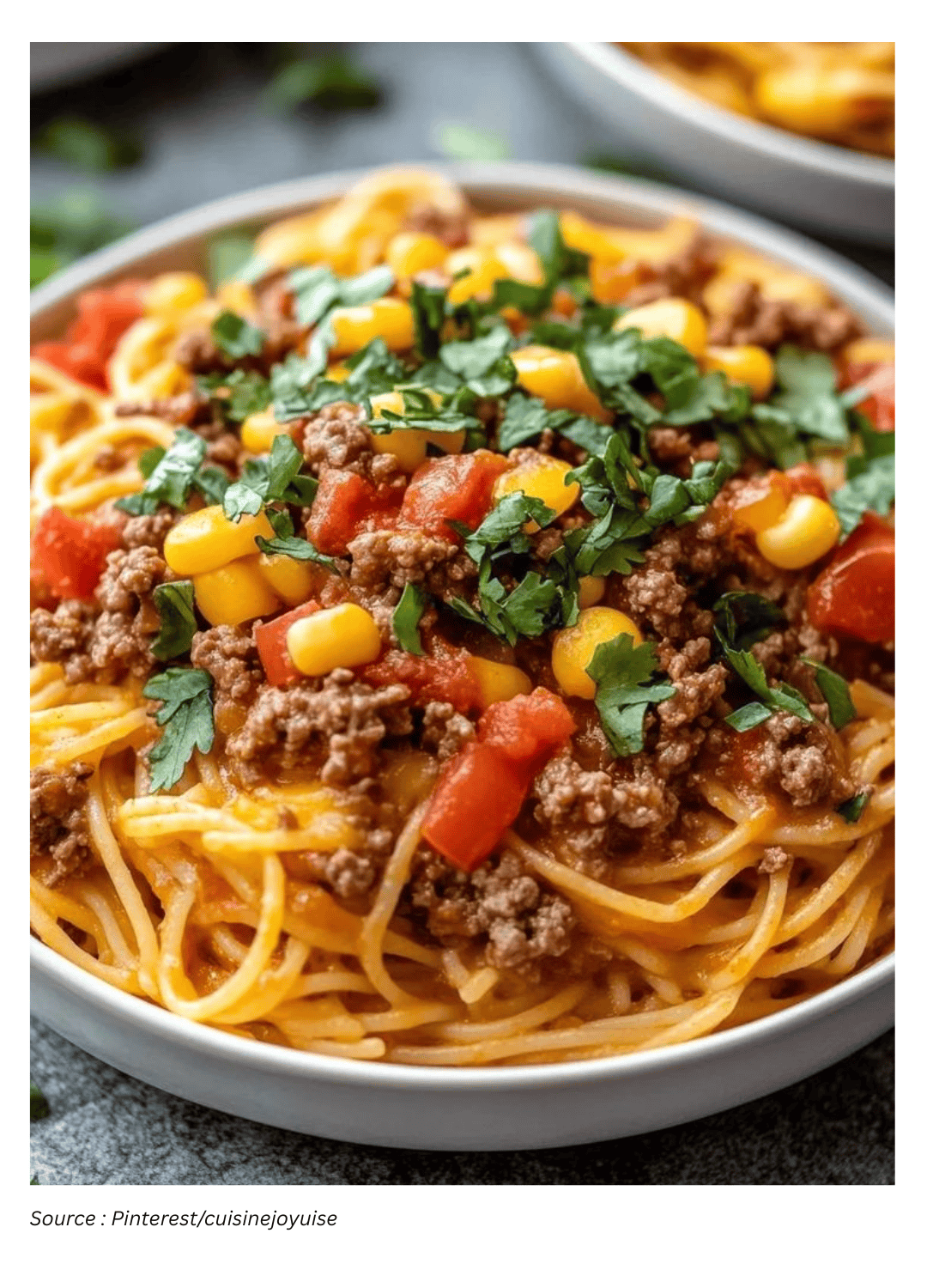
A comfort-food solution for dinnertime indecision
Some nights, the hardest part of cooking isn’t the technique—it’s choosing what you’re in the mood for. If you’re torn between taco night and a bowl of pasta, taco spaghetti is a practical (and satisfying) way to stop negotiating with yourself and get dinner on the table. It’s a mash-up that pairs familiar taco fixings with spaghetti instead of shells, resulting in a hearty, saucy dish that feels both playful and dependable.
What makes this version especially weeknight-friendly is that it’s designed to be made in a single pot. The same pot handles everything: browning the meat with aromatics, simmering the seasoned tomato base, and cooking the spaghetti right in the sauce. At the end, the pasta is coated in a creamy cheese finish that’s built directly into the pot—no separate cheese sauce, no extra pan, and no pile of dishes.
Home cooks tend to appreciate recipes that are both straightforward and flavorful, and the feedback on this one reflects that. One reader summed it up simply: “Excellent! Easy to make and delicious.”
What taco spaghetti is (and why the one-pot method works)
At its core, taco spaghetti is a seasoned meat-and-tomato sauce that’s cooked with spaghetti, then enriched with cheese and finished with classic taco-style toppings. The idea isn’t to mimic a taco shell; it’s to deliver those familiar flavors—taco seasoning, tomatoes, beef, and garnishes like cilantro and sour cream—in a format that eats like pasta.
The one-pot approach is the key technique. While boiling pasta directly in sauce isn’t the most traditional method, it’s intentional here. As the spaghetti simmers, it releases starch into the liquid. That starchy pasta water becomes part of the final sauce, helping it thicken and cling to the noodles. In other words, the pasta helps build the texture of the dish, not just absorb flavor.
There’s also a practical advantage: fewer steps. You don’t need to boil pasta separately, drain it, and then combine it with a sauce. Instead, you manage heat, stirring, and timing in one vessel, then finish with cheese and toppings.
Ingredient choices that make a difference
This recipe is flexible, but a few ingredient decisions can make the cooking process smoother and the final texture more consistent. Below are the components called for, along with the most useful tips for getting the best results.
Ground beef: Lean ground beef is a smart choice because it releases enough fat to help cook the onion and garlic, but not so much that you’ll need to drain the pot. Skipping that draining step saves time and keeps this truly one-pot. If you prefer, you can swap in ground turkey or ground chicken.
Onion and garlic: These are cooked with the beef at the start, building a savory base. Because everything happens in one pot, this early step sets the tone for the whole dish.
Diced tomatoes: Any 14.5-ounce can of diced tomatoes will work. A preferred option is Rotel, which is often chosen for its flavor profile in taco-style dishes.
Taco seasoning: Homemade taco seasoning is a convenient staple if you like to keep a batch on hand for multiple recipes. That said, store-bought seasoning works well too. The recipe notes a 1-ounce packet or about 2 tablespoons of homemade seasoning.
Spaghetti (or another long, thin noodle): Spaghetti is the classic pick for this mash-up, but other long, thin noodles can work. A practical tip is to break the spaghetti in half before adding it to the pot. Shorter lengths are easier to stir into the simmering sauce and simpler to serve.
Cheese: A combination of Velveeta (or American cheese) and sharp cheddar is used for both texture and flavor. Velveeta helps create a smooth, creamy sauce, while sharp cheddar adds a stronger cheese taste. If you prefer, sharp cheddar can be replaced with a Mexican blend or Colby Jack.
Cilantro and sour cream (or Mexican crema): Fresh cilantro adds brightness at the end, and sour cream provides a tangy garnish that balances the richness of the cheese. Both are optional in the sense that you can adjust the amount to your taste, but they’re recommended for contrast.
There are also optional toppings that fit naturally with the taco theme. Fresh pico de gallo can add freshness, sweet corn kernels can add a crisp vegetable bite, and avocado can be used if you like that element on taco night.
Step-by-step: how the one-pot taco spaghetti comes together
The method is designed to be simple and sequential. Each step builds on the previous one, and the pot stays in use the entire time.
1) Brown the beef with aromatics. In a large pot, cook the ground beef with chopped onion and garlic until the beef is browned. This takes about 5 to 6 minutes. The goal is to cook through the meat while softening the onion and garlic so they can flavor the sauce.
2) Add the liquid and seasonings. Add water, diced tomatoes, and taco seasoning to the pot. Cover it, then increase the heat and bring the mixture to a boil. This creates the cooking liquid for the pasta and distributes the seasoning throughout the base.
3) Simmer the spaghetti directly in the sauce. Break the spaghetti in half, add it to the pot, reduce the heat to medium, cover, and simmer until the noodles are tender. This step is where the recipe departs from the usual “boil then drain” pasta method, and it’s also where the sauce develops its body. The starch released from the pasta helps thicken the mixture, and the noodles absorb the seasoned liquid as they cook.
4) Finish with cheese and herbs. Once the noodles are done, remove the pot from heat. Stir in the Velveeta (or American cheese), cheddar, and chopped cilantro. Keep mixing until the cheese melts fully and the sauce thickens into a creamy coating.
5) Serve and garnish. Plate the taco spaghetti and top with more cilantro. Add sour cream or Mexican crema if you’d like. This finishing touch adds a cool, tangy contrast to the warm, cheesy sauce.
Tips for the best texture and easiest cooking
Because the pasta cooks in the sauce, a few small habits can make the process smoother.
Use a large pot. You’ll be stirring spaghetti into a thickening sauce, and a larger pot makes it easier to mix without splashing.
Break the spaghetti in half. This isn’t just a serving preference—it helps the noodles submerge more quickly and makes stirring easier as they soften.
Cover while simmering. Keeping the pot covered helps the liquid come back to temperature quickly and supports even cooking as the noodles tenderize.
Stir well when adding cheese. The final sauce depends on fully melting the cheeses into the hot pasta mixture. Stirring continuously at this stage helps the sauce turn smooth and cohesive.
Balance richness with toppings. Cilantro and sour cream are more than decoration here. The cilantro adds freshness, and the sour cream’s tang helps cut through the creaminess of the cheese sauce.
Serving ideas and optional additions
Taco spaghetti is already a complete one-pot meal, but the toppings can shift the experience from “simple and cozy” to “taco night energy.” The recipe specifically suggests a few add-ons that work well with the base dish.
Fresh pico de gallo: A bright, fresh topping that complements the seasoned, cheesy pasta.
Sweet corn kernels: Adds a sweet crunch and a vegetable-like bite that contrasts with the creamy sauce.
Avocado: A familiar taco-night favorite for those who like a creamy, fresh finish.
If you’re serving a group, consider setting out cilantro and sour cream at the table so everyone can adjust to taste. Some people prefer a heavier garnish for extra tang, while others like just a small finishing dollop.
Storing leftovers
If you have leftovers, store them in an airtight container in the refrigerator for about 3 days. Because the sauce is thickened with pasta starch and enriched with cheese, the texture can continue to set as it chills, which many people find makes it even more cohesive the next day.
Key ingredients mentioned
This recipe references several ingredients directly, including:
14.5-ounce can diced tomatoes (preferably Rotel)
1-ounce packet taco seasoning or about 2 tablespoons homemade taco seasoning
Velveeta cheese or American cheese, cut or torn into pieces
Chopped fresh cilantro, plus more for serving
Sour cream or Mexican crema, for serving (optional)
A mash-up worth keeping in the rotation
Taco spaghetti succeeds because it doesn’t overcomplicate the concept. It takes a set of flavors many people already enjoy—seasoned meat, tomatoes, melted cheese, and fresh toppings—and delivers them in a one-pot pasta format that’s easy to cook and easy to clean up. Lean ground beef keeps the process streamlined, simmering the spaghetti in the sauce builds a thick, creamy texture, and the final cilantro-and-sour-cream garnish adds the contrast that makes each bite feel balanced.
For anyone who likes the comfort of spaghetti and the bold, familiar taste of taco seasoning, this is the kind of weeknight dinner that earns repeat status.