
No-Bake Peanut Butter Granola Bars: A Chewy, Pantry-Friendly Snack for Busy Days
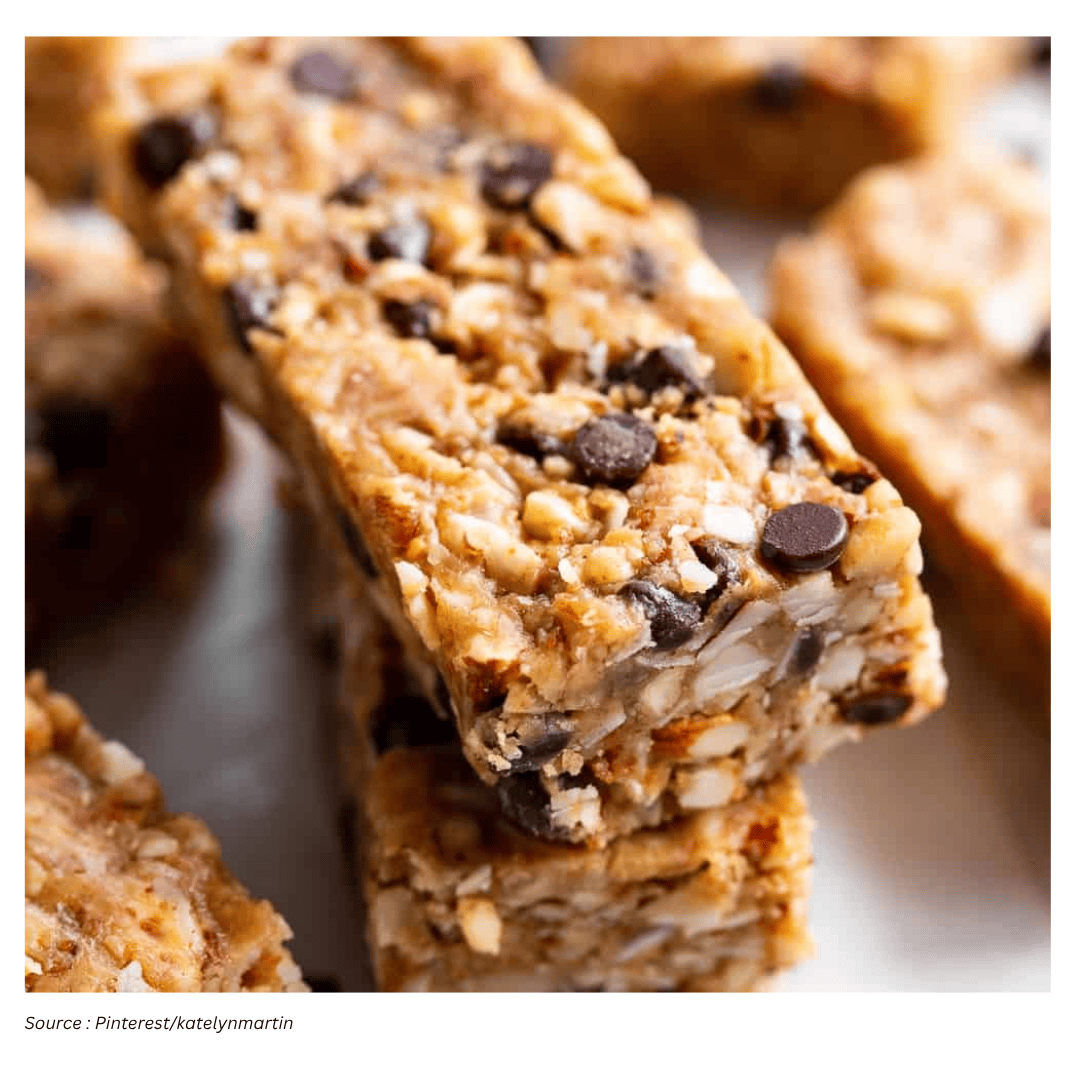
A simple no-bake bar that fits breakfast, workouts, and dessert cravings
A good granola bar can do a lot of jobs: breakfast on the run, a pre- or post-workout boost, a midday snack, or a small sweet bite after a meal. The appeal is that it can be both satisfying and nourishing, thanks to the balance of protein, fat, and fiber that a well-built bar can deliver. This no-bake peanut butter granola bar recipe leans into that idea while keeping the flavor profile familiar—peanut butter and chocolate—without requiring an oven.
The result is a rich, chewy bar built from nutty rolled oats, crunchy slivered almonds, sweet honey, and mini chocolate chips that provide small bursts of chocolate in every bite. It’s also designed to be quick to assemble: the mixture comes together in about 10 minutes, then firms up in the refrigerator. That makes it especially useful for days when you want something homemade but don’t want to bake.
What you need: seven pantry staples
This recipe keeps the ingredient list short—just seven items—while still producing a bar with texture and flavor. Everything is a common pantry staple, which makes it easy to pull together without a special shopping trip.
- Peanut butter (natural peanut butter with oil on top works best once stirred, because it becomes thinner and more pourable)
- Honey (any type works)
- Rolled oats (the preferred base for structure and chew)
- Slivered almonds (for crunch)
- Mini chocolate chips (for evenly distributed chocolate bites)
- Vanilla extract (simple flavoring)
- Salt (to balance sweetness and deepen flavor)
Because the bars are no-bake, the process relies on gentle heat to smooth the peanut butter and honey into a cohesive binder, then chilling to set the final shape.
Equipment and setup: pan or silicone mold
You can make these bars in a standard 8 x 8-inch pan lined with parchment paper, or you can use a silicone mold. Both work, but they offer slightly different advantages. A parchment-lined pan is straightforward and widely available. A silicone mold can make shaping and releasing the bars easier because it’s flexible, helping the bars pop out cleanly once set.
Whichever you choose, the key is to prepare the container before mixing so you can press the warm mixture in right away.
Step-by-step method (no oven required)
The process is quick and practical, with the refrigerator doing the heavy lifting. Here’s the full workflow from start to finish.
- Line an 8 x 8-inch pan with parchment paper, or set out a silicone mold.
- Add the peanut butter and honey to a small pot. Cook on low heat for 3–5 minutes, stirring until smooth.
- Remove from heat, then stir in the vanilla extract and salt.
- In a large bowl, combine the rolled oats and slivered almonds.
- Pour the warm peanut butter mixture into the bowl and stir until everything is evenly combined.
- Press the mixture tightly into the prepared pan or silicone mold, packing it firmly.
- Cover with plastic wrap and refrigerate for 2 hours to set fully.
- Slice (or unmold) and serve.
Once chilled, the bars hold their shape well, making them easy to portion and store for quick snacks throughout the week.
Why texture matters: chewy, crunchy, and evenly sweet
Part of what makes these bars feel substantial is the way the ingredients work together. Rolled oats create a hearty, chewy base. Slivered almonds add crunch, which keeps the bar from tasting flat or overly soft. Honey brings sweetness while also helping the mixture bind. Mini chocolate chips distribute more evenly than larger chips, so you get frequent small chocolate notes instead of a few heavy pockets.
The peanut butter and honey mixture is warmed just enough to become smooth and easy to mix, which helps coat the oats and nuts evenly. That even coating is important for consistent texture from one bite to the next.
Ingredient swaps and variations (using what you have)
If you’re ready to make these bars but don’t have the exact ingredients, the recipe is flexible. Several substitutions can keep the method the same while adjusting flavor or meeting dietary preferences.
- Nut butter options: Almond butter, cashew butter, and sunflower butter can stand in for peanut butter.
- Sweetener options: Maple syrup or agave nectar can replace honey and are vegan-friendly alternatives. Because these are not quite as sticky as honey, it’s especially important to pack the mixture very tightly so the bars hold together.
- Oats: Rolled oats are the best choice. Quick-cooking oats can work, but the bars will be noticeably softer. Steel-cut oats should be avoided because they’re too dense and won’t soften properly.
- Nuts and seeds: If you don’t have slivered almonds, chopped walnuts, pecans, or cashews can be used. Seeds also work well—pumpkin seeds or sunflower seeds are strong options—and pairing seeds with sunflower seed butter can be a practical approach for a nut-free direction.
- Chocolate alternatives: If you only have regular-sized chocolate chips, roughly chop them before mixing. If you’d rather skip chocolate, dried cranberries or raisins make a good add-in.
These swaps are useful not only for convenience, but also for tailoring the bars to what you enjoy most—more crunch, a different sweetness profile, or a nut-free approach using seeds.
Tips for bars that slice cleanly and hold together
Even though the recipe is simple, a few technique details make a noticeable difference in the final result. The goal is a bar that’s cohesive, easy to slice, and sturdy enough to pack and eat without crumbling.
- Warm the binder gently: If your peanut butter is thick and solid, extend the stove time slightly to loosen it. Use low heat and give it time; avoid boiling.
- Pack the mixture firmly: This is one of the most important steps. Use your hands to press down hard, or use the bottom of a cup or a wooden mallet. Make sure the mixture is pressed into the corners and sides of the pan or mold.
- Consider a silicone mold for frequent batches: A silicone mold shapes the bars neatly and releases them easily once chilled, thanks to its flexibility.
- Don’t rush the chill: Plan for a full 2 hours in the refrigerator so the bars set completely.
- Slice with care: If you’re using a glass baking dish, a very sharp knife helps. Wipe the knife clean after each cut for neat edges.
These small steps help ensure the bars look as good as they taste, especially if you’re portioning them for grab-and-go meals or snacks.
Serving ideas: when these bars fit best
Because they’re portable and satisfying, these bars can slide into many routines. They’re well-suited for breakfast on busy mornings, a snack between meetings, or something to bring along for an energy boost before or after exercise. They can also work as a sweet treat after lunch or dinner, especially if you enjoy the classic peanut butter and chocolate combination.
The chewy texture and mix of oats, nuts, and chocolate chips make them feel like a treat, while the straightforward ingredient list keeps them grounded in familiar pantry basics.
Storage: keep them chilled for freshness
Once set and sliced, store the bars in the refrigerator to maintain their texture and freshness. Kept chilled, they will stay fresh for up to 10 days. This makes them a practical make-ahead option: one quick prep session can cover snacks for more than a week.
If you’re stacking them, keeping them neatly cut and chilled helps them hold their shape and makes it easier to grab one without breaking the rest.
A practical homemade staple with room to customize
These no-bake peanut butter granola bars are built for real life: quick assembly, no oven, and a dependable set in the fridge. With only seven ingredients—peanut butter, honey, rolled oats, slivered almonds, mini chocolate chips, vanilla, and salt—you get a chewy bar with crunch, sweetness, and a familiar flavor pairing that works across breakfast, snack time, and dessert.
Just as important, the recipe is adaptable. Whether you swap in a different nut butter, use maple syrup or agave, change up the nuts and seeds, or trade chocolate for dried fruit, the core method stays the same. Focus on gentle heat, thorough mixing, firm packing, and a full chill, and you’ll end up with bars that slice cleanly and travel well.