
A Next-Level Bananas Foster: Brown Sugar Spice, Rum Flambé, and a Hazelnut-Chocolate Finish
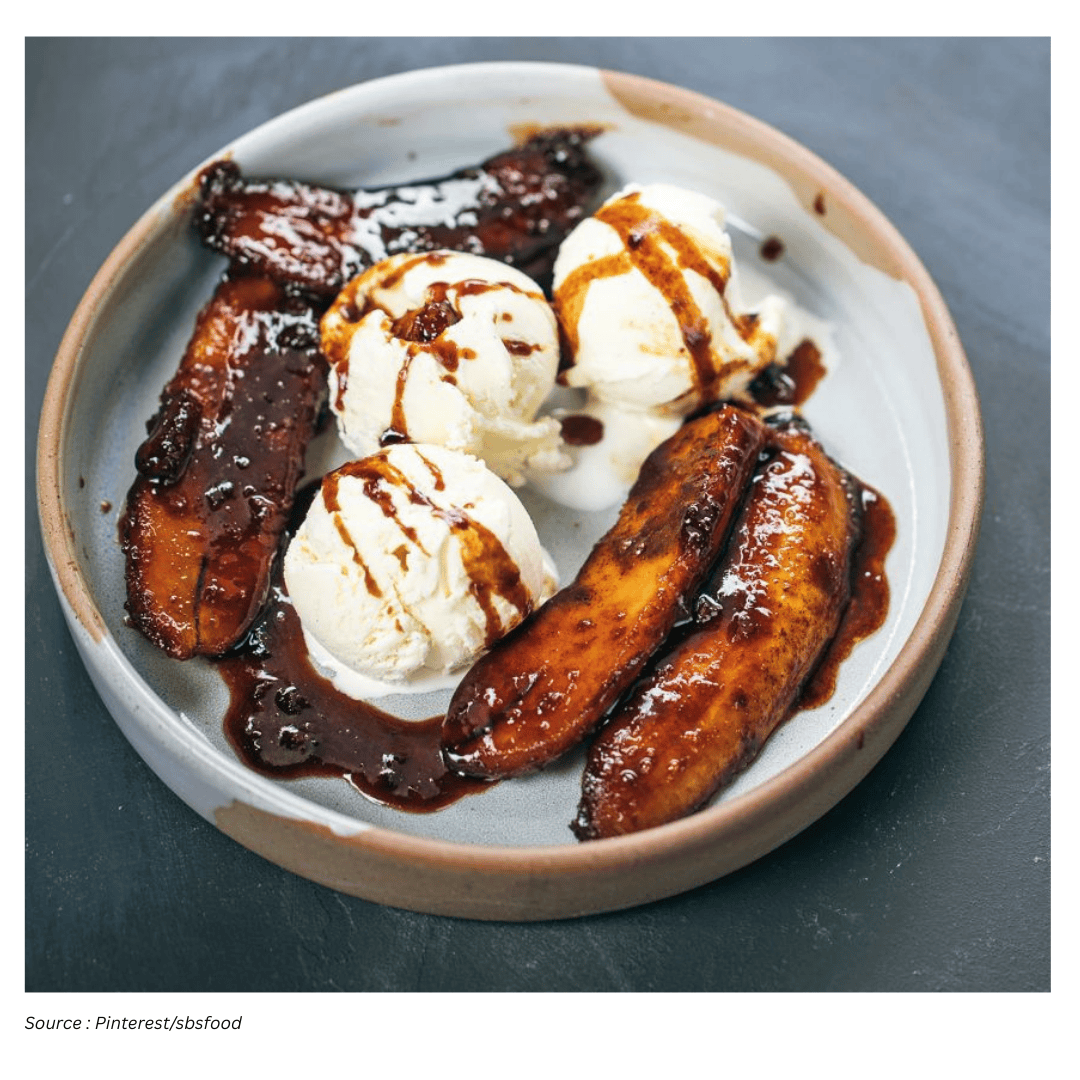
Bananas Foster at home: classic roots, modern texture
Bananas Foster has a reputation for being both comforting and theatrical. Although it’s famously associated with New Orleans and was created at Brennan’s Restaurant, you don’t need a dining room or a trip to recreate the experience. The heart of the dessert is straightforward: ripe bananas are cooked briefly in a buttery brown sugar sauce, then finished with rum for a dramatic flambé. Served immediately with ice cream, it reads like a restaurant dessert—warm caramelized fruit meeting cold, creamy sweetness—yet it’s built for the home cook because it comes together in minutes on the stovetop.
This version stays true to that foundation while adding a few deliberate touches designed to deepen flavor and improve texture. A sweet-spiced sauce (cinnamon and nutmeg) brings warmth, spiced rum complements the aromatics, and a swipe of chocolate-hazelnut spread plus chopped toasted hazelnuts adds richness and crunch. The result feels more layered without becoming complicated. It’s still Bananas Foster—just with a more sophisticated finish and a little extra contrast in every bite.
What makes this version “next level”
The classic formula already works: butter, brown sugar, bananas, rum, ice cream. The “next level” approach doesn’t reinvent that; it refines it. The upgrades are subtle but meaningful, especially when you consider how quickly the dessert is cooked.
- Spiced brown sugar sauce: Dark brown sugar and unsalted butter form the base, while kosher salt and warm spices (cinnamon and nutmeg) keep the sweetness from feeling one-note.
- Spiced rum (or any rum you have): Rum is central to the Bananas Foster experience, whether you flambé it or simply let it simmer. Spiced rum is chosen here to echo the dessert’s warm spice profile, though other rums work well.
- Chocolate-hazelnut spread: A swipe on the plate adds a cocoa-and-nut background note that grounds the caramelized banana and brown sugar.
- Toasted hazelnuts: Chopped toasted hazelnuts bring crunch and a roasted aroma, creating a textural counterpoint to soft bananas and melting ice cream.
- Optional lemon zest: A small amount can brighten the finished sauce, lifting the richness without changing the dessert’s identity.
Importantly, these additions don’t slow the process down. The bananas still cook for seconds per side, the sauce thickens quickly, and the dessert should be served immediately. The “extra” work is mostly in being prepared: toasting nuts first, having plates ready, and understanding the timing.
Ingredients and why each one matters
This dessert’s depth can be surprising given how short the ingredient list is. Each component has a role, and small choices—like banana ripeness or rum style—can affect the final texture and aroma.
- Bananas (firm-ripe or slightly underripe): The key to a clean, elegant plate. Too soft, and the bananas can fall apart in the pan, making flipping and plating frustrating and diminishing the dessert’s look and texture.
- Dark brown sugar: Provides the caramel base and a deeper molasses note than lighter sugars.
- Unsalted butter: Creates richness and the glossy body of the sauce.
- Kosher salt: Balances sweetness and keeps the sauce tasting rounded rather than flat.
- Ground cinnamon and nutmeg: Classic warm spices that pair naturally with banana and brown sugar.
- Vanilla bean paste or extract: Adds aromatic sweetness and ties together the butter, sugar, and spice.
- Rum (spiced rum recommended, but any rum works): Adds aroma and complexity; flambéing also provides the signature showmanship.
- Optional lemon zest: A finishing accent to brighten the richness.
- Chocolate-hazelnut spread: Used as a plated swipe for a chocolate-and-nut undertone.
- Chopped toasted hazelnuts: Adds crunch and a roasted, nutty finish.
- Ice cream: Essential to the Bananas Foster experience—cold, creamy contrast to warm sauce and fruit. Vanilla and dulce de leche are both natural fits, but any flavor you love can work.
Step-by-step method (stovetop, fast timing)
This is a dessert where sequencing matters. The cooking itself is quick, so set up your components before the bananas hit the pan. The process below follows the practical flow: toast nuts, prep bananas and plates, build sauce, cook bananas, add rum, finish and serve.
- Toast the hazelnuts: In a heavy-bottomed saucepan, toast the hazelnuts until golden and fragrant. Transfer them to a plate, then wipe out the saucepan so the sauce starts clean.
- Prep the bananas: Peel and slice the bananas in half lengthwise. If your bananas are large, quartering them can make flipping and plating easier.
- Prep the plates: Prepare two plates, each with a swipe of chocolate-hazelnut spread. This is not a step to save for later—the dessert should be served immediately.
- Make the sauce: In the same saucepan, heat butter, brown sugar, salt, cinnamon, nutmeg, and vanilla, stirring until the butter has melted. Continue cooking over medium-low heat until the mixture is bubbling and slightly thickened, about 1 minute.
- Cook the bananas briefly: Add the bananas and cook for about 30 seconds undisturbed, then flip and cook for an additional 30 seconds. This is enough time to infuse caramel flavor and soften them slightly without turning them mushy.
- Add rum and flambé (optional but traditional): Add rum to the pan, then tilt the pan toward the flame on your burner or use a blowtorch to ignite it. If you prefer not to ignite, you can simmer the mixture for an extra minute or two to cook off alcohol without flames.
- Finish the sauce: Stir in optional lemon zest if using.
- Plate immediately: Spoon the bananas onto the prepared plates. Finish each plate with a scoop of ice cream, toasted hazelnuts, and a generous spoon of the caramelized sauce left in the saucepan.
Served right away, the dessert hits its peak: the sauce is glossy and warm, the bananas are tender but intact, and the ice cream begins to melt into the caramel at the edges.
Technique notes that make the difference
Bananas Foster is often described as “quick,” but quick doesn’t mean careless. A few small technique choices protect the texture and keep the sauce smooth and cohesive.
- Choose the right bananas: Firm-ripe or slightly underripe bananas hold their shape. Overripe bananas can break down rapidly, which affects both presentation and mouthfeel.
- Have everything ready before cooking: Plates should be prepped, nuts toasted, bananas sliced. The dessert should be served immediately, so delays after cooking work against you.
- Stir the sauce occasionally: While melting butter and sugar, stir now and then to prevent uneven heating or scorching.
- Don’t panic if the sauce looks separated: As it simmers and thickens, it begins to bind together.
- Keep banana cook time short: About 30 seconds per side is enough. Waiting too long can over-soften the fruit and make flipping difficult.
- Handle rum safely: Add rum off the heat and from a small cup—not the bottle—to reduce the risk of flare-ups. For flambéing, tilt the pan toward the flame or use a blowtorch. If flames feel intimidating, simmer a little longer instead.
These details are what separate a dessert that feels slightly messy from one that looks composed and intentional—even though both may take about the same amount of time.
Flavor variations and swaps (from classic to customized)
One reason Bananas Foster has endured for decades is that it welcomes small changes without losing its identity. This version leans into hazelnut and chocolate for added depth, but you can easily steer it back toward classic simplicity or tailor it to what you have on hand.
- Keep it traditional: Omit the chocolate-hazelnut spread and hazelnuts entirely for a more classic presentation focused on bananas, caramel sauce, rum, and ice cream.
- Swap the nuts: Replace hazelnuts with sliced almonds, toasted walnuts, or another favorite nut.
- Adjust the spice profile: Cinnamon and nutmeg are a natural match, but you can introduce a hint of ground ginger, allspice, or chai spice for a different warmth.
- Change the spirit: Spiced rum can be replaced with dark rum or light rum. Other options include coconut rum, bourbon, Frangelico (for extra hazelnut character), or banana liqueur in small amounts.
- Play with ice cream flavors: Vanilla and dulce de leche are easy pairings, but caramel swirl, praline, brown butter, mascarpone, or even chocolate ice cream can work depending on your preference.
- Make it interactive: Consider offering a few ice cream and topping options so everyone can assemble a customized plate.
The core idea remains the same: warm caramelized bananas and sauce, a splash of rum for aroma and depth, and ice cream for contrast. Everything else is a dial you can turn.
Serving notes: timing and presentation
Bananas Foster is at its best the moment it’s made. The sauce thickens quickly, the bananas continue to soften as they sit, and the ice cream will melt on contact. That’s part of the charm, but it also means you’ll want to treat it like a final-course sprint: cook, plate, serve.
For this “next level” presentation, the plated swipe of chocolate-hazelnut spread does more than add flavor—it also gives the dish a composed look, like a restaurant dessert. The toasted hazelnuts provide a crisp finish, and the extra spoonful of caramelized sauce ties everything together. If you’re aiming for a clean plate, keep the bananas intact by using firm fruit and limiting the cook time, then spoon sauce around rather than flooding the entire plate.
A sophisticated twist that still feels effortless
This upgraded Bananas Foster demonstrates why the dessert continues to rival modern menu creations: it’s rich, aromatic, and visually striking, yet surprisingly simple. With a buttery brown sugar sauce, warm spices, rum (flambéed or simmered), and the cold contrast of ice cream, it delivers immediate comfort. The added elements—chocolate-hazelnut spread and toasted hazelnuts—bring depth and crunch that make the dish feel more deliberate and layered without complicating the method.
If you want a dessert that looks impressive, tastes decadent, and can be made quickly on the stovetop, this approach offers a reliable path: prepare your plates, cook fast, serve immediately, and let the classic magic do the rest.