
How to make a russian dressing
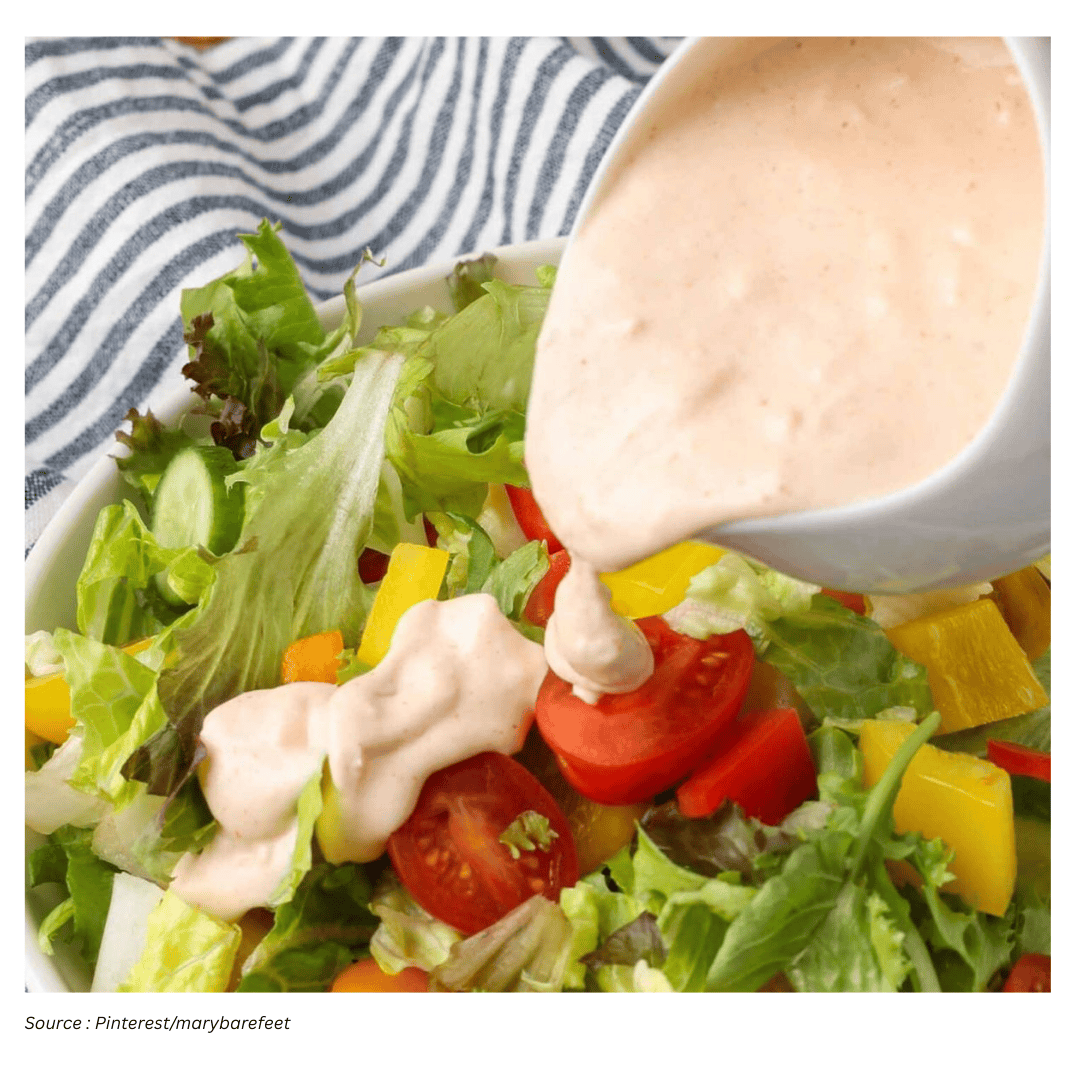
How to make a russian dressing
Russian dressing is one of those classic, mayo-based sauces that quietly earns a permanent place in the refrigerator once you start making it at home. It’s best known as a key component of a Reuben sandwich, but limiting it to deli-style sandwiches doesn’t do it justice. This is a simple, savory dressing that can go with everything—from fries and pizza to fish and grilled chicken—while still feeling like a “real” homemade condiment rather than an afterthought.
The appeal is straightforward: Russian dressing comes together quickly, uses only a handful of ingredients, and is easy to keep on hand. Make a batch, store it in the fridge, and you have an instant way to upgrade everyday meals. It’s the kind of sauce that can turn a plain green salad into something you actually want to eat, or make a basic burger feel like it came from a restaurant.
Why Russian dressing belongs beyond the Reuben
When most people hear “Russian dressing,” the first association is the Reuben sandwich. That reputation is deserved, but it can also be limiting. In practice, this dressing is versatile enough to work as a spread, a drizzle, a dip, or even a glaze—depending on how you use it.
It’s especially useful when you want one condiment that can cover multiple roles in a meal. Spread it on bread, spoon it into a bowl, or whisk it into a quick salad situation. Because it’s mayo-based, it clings well to food and carries flavor evenly, which is part of why it performs so well on everything from sandwiches to fries.
What people like about it
Home cooks often describe this dressing as surprisingly easy to make and better than store-bought versions. One reviewer summed it up as “really good and easy to make,” adding that it’s “way better than the store bought one” and “amazing with just a green salad, in a sandwich or with seafood.” The takeaway is less about hype and more about practicality: when a sauce is this simple and this flexible, it becomes a staple.
What you need (and what’s optional)
The recipe is built around a short list of ingredients, and the method is designed to be forgiving. One ingredient that may be included is prepared horseradish, which is noted as optional. If you like a sharper, more assertive kick, it can be a useful addition; if you prefer a milder dressing, you can leave it out and still end up with a crowd-pleasing result.
Because this dressing is frequently used as a “spread” as much as a “dressing,” it helps to think about your final texture. You’re looking for something smooth, cohesive, and easy to smear or drizzle without separating.
- Use a medium bowl so you have enough space to whisk comfortably.
- Season with salt and pepper to taste after mixing.
- Prepared horseradish can be included (optional), up to 4 teaspoons.
Step-by-step method: mix, whisk, season
This dressing could not be easier to make. The core technique is simply combining everything in a bowl and mixing until fully incorporated. The only real “trick” is taking a moment to ensure the mixture is uniform, because small pockets of unmixed ingredients can throw off the flavor from bite to bite.
Start by adding all ingredients to a medium bowl—medium is important here because it gives you room to whisk without splashing. Whisk until the mixture is smooth and consistent, then season with salt and pepper. Taste and adjust as needed.
One practical detail matters more than it sounds: scrape the bottom and sides of the bowl as you mix. Ingredients can cling to the edges, and if you don’t incorporate them fully you may end up with a dressing that tastes uneven—strong in one spoonful, flat in another.
- Combine all ingredients in a medium bowl.
- Whisk thoroughly until smooth.
- Scrape the bottom and sides of the bowl to fully incorporate everything.
- Season with salt and pepper.
How to use Russian dressing: sandwiches, snacks, and weeknight dinners
The Reuben will always be the most famous place for Russian dressing, but it’s far from the only one. Once you have a batch in the fridge, it becomes a flexible finishing touch—something you can reach for when a meal needs a little more richness or a more savory edge.
Here are some practical ways to work it into your regular rotation, using ideas that fit naturally with how the sauce behaves:
- Classic sandwich spread: Use it where you’d normally use mayonnaise. It’s especially at home in Reuben-inspired sandwiches.
- Salad upgrade: A spoonful can make a simple green salad feel more substantial.
- Burger spread: Smear it on buns to add creaminess and flavor without needing multiple condiments.
- Fries and snacks: Use it as a dip for fries or drizzle it over a snack-style plate.
- Pizza twist: A small drizzle can add a creamy, savory note to slices.
- Seafood pairing: It can work well with seafood, including as a finishing sauce.
- Fish tacos: Drizzle it over fish tacos for a creamy element that ties the fillings together.
- Grilled chicken: Use it to glaze grilled chicken, turning a simple cookout staple into something more flavorful.
Reuben-inspired ideas (when you want to lean into the classic)
If you love the flavors of a Reuben, Russian dressing is an easy way to echo that theme across different dishes. Beyond the standard sandwich, it can be used in a range of Reuben-inspired recipes. These are the kinds of dishes where the dressing isn’t just a topping—it’s part of the identity of the meal.
- Reuben nachos
- Reuben squares
- Reuben bowls
- Reuben casserole
- Reuben pickle bites
- Reuben-stuffed chicken
These ideas share a common theme: they take familiar Reuben flavors and reformat them into something you can serve for different occasions, from casual snacking to a more structured dinner. Having Russian dressing ready in the fridge makes it easier to pull off that flavor profile without extra steps.
Storage: how long it keeps
One of the most useful things about homemade Russian dressing is that it stores well. Once made, it can be kept in an airtight container in the refrigerator for up to 2 weeks. That makes it a practical make-ahead condiment—something you can prepare once and use across multiple meals.
- Store in an airtight container.
- Refrigerate promptly after making.
- Use within up to 2 weeks.
Make it your own (without overcomplicating it)
This style of dressing is also a good “jumping-off point” for personal preferences. The base recipe is designed to be the ideal, crowd-pleasing version, but you can adjust it to match what you like—especially when it comes to intensity. The optional prepared horseradish is a clear example: add it if you want more punch, or skip it for a smoother, milder finish.
The key is to keep the process simple. Mix, whisk, season, and taste. Once you know how the dressing behaves—how it spreads, how it drizzles, and how it pairs with different foods—you’ll be able to use it instinctively. That’s when it stops being “a recipe you tried once” and starts being a staple you keep on hand.
A quick kitchen checklist for consistent results
Because the method is minimal, small habits make a difference. If you want a reliable batch every time, focus on these basics:
- Use a bowl large enough to whisk without making a mess.
- Whisk until the mixture looks uniform.
- Scrape the sides and bottom of the bowl so nothing is left unmixed.
- Season with salt and pepper at the end, then adjust to taste.
- Store in an airtight container and keep refrigerated.
Where it fits in a meal
Russian dressing is at its best when you treat it as a flexible finishing tool. It can be the creamy element in a sandwich, the dip next to fries, or the drizzle that brings together a taco. It can also be the quick fix for meals that feel like they’re missing something—when grilled chicken is cooked perfectly but tastes plain, or when a bowl needs a savory note to tie everything together.
Make it once, keep it cold, and use it often. With a simple whisk-and-season approach and a two-week fridge life, it’s one of the easiest ways to add flavor across a wide range of foods—well beyond the Reuben that made it famous.