
Homemade Lobster Bisque for Special Occasions: A Silky, Stock-Forward Recipe Guide
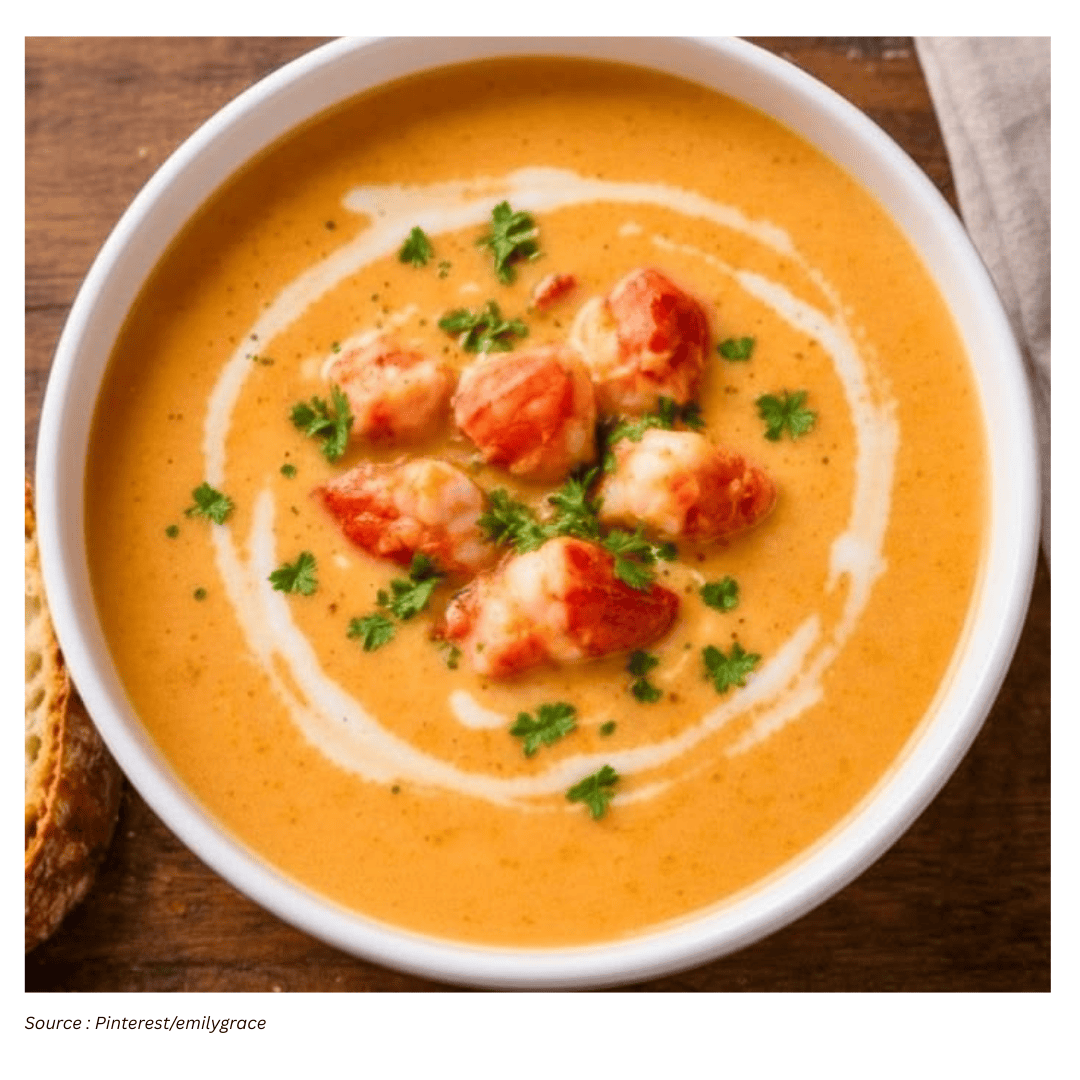
A refined seafood soup with a clear point of view
Seafood soups come in many styles. Some are thick and chunky, like chowders and stews, built around hearty pieces of fish or shellfish and vegetables. Others are more delicate and smooth, designed to feel elegant rather than rustic. Lobster bisque sits firmly in that second camp: a soup that aims for a velvety texture, deep shellfish flavor, and a balanced richness that tastes special from the first spoonful.
Bisques can vary widely in quality. Some store-bought or restaurant versions are serviceable, while others can miss the mark. The appeal of making lobster bisque at home is that you can push the flavor where it counts—starting with a stock made from lobster shells, then building a creamy base with aromatics, sherry, and herbs. It is a time-consuming, hands-on recipe, but it is also the kind of cooking project where the effort is part of the enjoyment.
In this approach, the payoff is a soup that is described as velvety and almost buttery, with a clear flavor balance between cream, sherry, and homemade lobster stock. The aromatics bring rustic vegetal notes, the sherry adds subtle baking-spice character, and the lobster and cream deliver the richness you expect from a classic bisque. Despite the ingredient list and the number of steps, the method is presented as manageable: making stock is straightforward, and turning that stock into bisque follows a logical sequence. The most physically challenging part, as noted, is dealing with the lobster shells.
What you’ll need: 17 ingredients, many of them familiar
This bisque is built in two stages: a lobster stock and the bisque itself. The full list totals 17 ingredients, but many are common pantry or produce staples. The stock relies on shells, aromatics, herbs, and seasonings. The bisque then layers in butter, sherry, flour, cream, and tomato paste for body, texture, and depth.
- For the stock: lobster tails (shells and meat), celery, carrots, shallots, garlic, bay leaves, thyme, tarragon, black peppercorns, salt, white pepper
- For the bisque: butter, sherry, flour, heavy cream, tomato paste, chives (plus tarragon for garnish)
A practical note is that this version uses precooked lobster, which removes one major prep hurdle. If you prefer, you can cook your own lobster and keep it refrigerated for up to three days before you plan to make the soup. That flexibility can make the overall timeline feel far less demanding.
Step one: make a shell-forward lobster stock
The stock is the backbone of this bisque. The goal is to extract flavor from the shells while gently infusing it with aromatics and herbs. The process begins by separating the shells from the lobster meat. The meat is cut into bite-sized pieces and refrigerated until it is time to serve—keeping it chilled helps ensure it stays tender when the hot soup is ladled over it later.
To build the stock, place the lobster shells in a pot with celery, carrot, shallot, garlic, bay leaves, thyme, tarragon, black peppercorns, salt, and white pepper. Cover everything with water and bring it to a boil over high heat. Once boiling, cover the pot with a lid, reduce the heat to low, and cook for 30 minutes, stirring occasionally. This gentle simmer is where the shells do their work, lending a concentrated lobster essence that will carry through the finished bisque.
When the stock has simmered, drain it through a fine mesh strainer. Discard the shells and the strained solids, then set the stock aside. At this stage, what you have is a clean, aromatic lobster stock—ready to be transformed into a smooth bisque.
Step two: build the bisque base with aromatics, sherry, and a light thickener
With the stock prepared, the remaining steps focus on developing flavor and texture. Melt butter in a large pot over medium heat. Once melted, add shallot, celery, carrots, and garlic, then sauté for about three minutes. This brief sauté softens the vegetables and begins layering sweetness and aroma into the pot without browning them heavily.
Next comes the sherry. Deglaze the pot with sherry and bring it to a simmer. Cook, stirring occasionally, until the sherry has almost completely evaporated—about five minutes. This reduction concentrates the sherry’s character and integrates it into the aromatic base, rather than leaving it as a sharp, boozy note.
To thicken the soup, add flour, stir to coat and combine with the vegetables, and cook for one minute more. This short cook time helps the flour blend smoothly into the base before liquid is added, supporting a silky texture in the final soup.
Simmer, blend, and finish: the path to a smooth bisque
Once the flour is incorporated, add the lobster stock (about six cups), heavy cream, and tomato paste. Whisk to combine. Then bring the mixture to a low simmer, whisking frequently, and cook for about 20 minutes, or until the soup has thickened and the vegetables are very tender. This simmer is doing two jobs: it softens the vegetables enough to blend seamlessly, and it allows the stock, cream, and tomato paste to meld into a cohesive base.
When the vegetables are fully tender and the soup has thickened, transfer the mixture to a blender and blend until smooth. If needed, work in batches. Then return the blended soup to the pot and heat it over medium-low until reheated. The result is the hallmark bisque texture: smooth, creamy, and uniform, with the lobster stock providing depth rather than relying solely on dairy richness.
Serving: lobster in the bowl, bisque over the top
Instead of simmering the lobster meat directly in the pot for an extended time, the serving method here emphasizes tenderness and presentation. Divide the bite-sized lobster meat between bowls. Ladle the hot bisque over the lobster. Finish with chopped chives and tarragon. This approach highlights the lobster as a garnish and centerpiece at the same time, while keeping the meat from overcooking.
The overall effect is designed to feel elegant—an ideal starter for a special meal, including celebratory dinners and romantic occasions. The soup’s richness and smoothness make it feel restaurant-like, while the scratch-made stock gives it a depth that is difficult to replicate with shortcuts.
Working with lobster: tails, whole lobsters, and a note on shells
This bisque is built around lobster shells, and the recipe acknowledges that handling them is the hardest part of the process. If you are using whole lobsters (shells included) rather than tails, there is an additional consideration: you may want to rinse the shells before they go into the pot if you do not want lingering bits of tomalley (described as the green substance that makes up the lobster’s liver and pancreas). A brief boil followed by a covered simmer is suggested. If foam or solids rise to the surface, they can be skimmed off. Any remaining residue is removed when the stock is strained through a fine mesh strainer.
The key takeaway is that shell stock does not need to be intimidating. It is a controlled, repeatable process: simmer shells with aromatics, strain, and move on. Once the stock is done, the bisque comes together through sautéing, deglazing, thickening, simmering, and blending.
Make-ahead options to simplify the day-of cooking
One of the easiest ways to make this recipe feel manageable is to split it into stages. The stock can be made ahead of time and refrigerated for up to five days before using it in the soup. If you prefer even more lead time, the stock can also be frozen for use months later. This flexibility turns lobster bisque from an all-day project into something you can assemble more calmly, especially if you are cooking it for guests or pairing it with other dishes.
Similarly, because this version uses precooked lobster, you already have one less step on cooking day. And if you decide to cook your own lobster, you can do so in advance and keep it refrigerated for up to three days. Planning these components ahead helps keep the final cooking window focused on the bisque base, blending, and reheating.
How to serve it: from starter course to a simple main
This lobster bisque is positioned as an elegant starter—particularly fitting for special occasions. Served in smaller bowls, it can open a meal with a rich, silky first course that feels celebratory without being heavy in portion size.
It can also be used as the foundation for a broader menu. For a classic “special dinner” direction, it pairs naturally with a well-prepared steak for a surf-and-turf-style meal. If you want something lighter, the bisque can become the main course, served with a green salad and chunks of French or Italian bread for dipping. That combination keeps the meal simple while still making the soup the centerpiece.
An unconventional pairing: blueberry muffins with seafood soup
Alongside traditional pairings, there is also a regional serving idea that leans into sweet-and-savory contrast. In Maine, the restaurant at the Dolphin Marina in Harpswell serves blueberry muffins with bowls of lobster stew and fish chowder. While it may sound unusual at first, the concept fits a broader sweet-and-savory trend: a lightly sweet baked good alongside a rich, creamy seafood soup.
The same logic can apply to a delicate bisque. A toasty blueberry muffin with salted butter can complement the creamy, rich, savory profile of lobster bisque. It is a pairing that has been described as surprisingly effective, especially when the muffin is warm and buttered and the bisque is served hot and smooth.
If you enjoy playful menu themes, there is even a suggestion to combine two “odd couples” on one table: lobster bisque with blueberry muffins, plus chili with cinnamon rolls. In that framing, the sides can also do double duty as dessert, keeping the meal both festive and a little unconventional.
A clear roadmap: the full method in brief
- Separate lobster shells from the meat; cut meat into bite-sized pieces and refrigerate.
- Make stock by simmering shells with celery, carrots, shallots, garlic, bay leaves, thyme, tarragon, peppercorns, salt, and white pepper for 30 minutes; strain.
- Sauté shallot, celery, carrots, and garlic in melted butter for 3 minutes.
- Deglaze with sherry; simmer until nearly evaporated (about 5 minutes).
- Stir in flour; cook 1 minute.
- Add about 6 cups stock, heavy cream, and tomato paste; whisk and simmer 20 minutes until thickened and vegetables are very tender.
- Blend until smooth; return to pot and reheat over medium-low.
- Divide lobster meat into bowls; ladle bisque over; garnish with chives and tarragon.
Why this bisque is worth the time
Homemade lobster bisque asks for attention: you are making stock, managing aromatics, reducing sherry, thickening carefully, and blending for texture. But the reward is a soup that tastes intentional—silky, balanced, and deeply flavored, with lobster stock at its core. It is also a recipe that offers flexibility, from make-ahead stock to pre-cooked lobster, making it easier to fit into a real cooking schedule.
Whether you serve it as a polished starter for a special dinner, make it the centerpiece of a simple meal with salad and bread, or try it with a warm blueberry muffin for a sweet-and-savory contrast, this bisque is built to feel like an occasion in a bowl.