
Elephant Ears Recipe: Crispy Fried Dough With Cinnamon Sugar
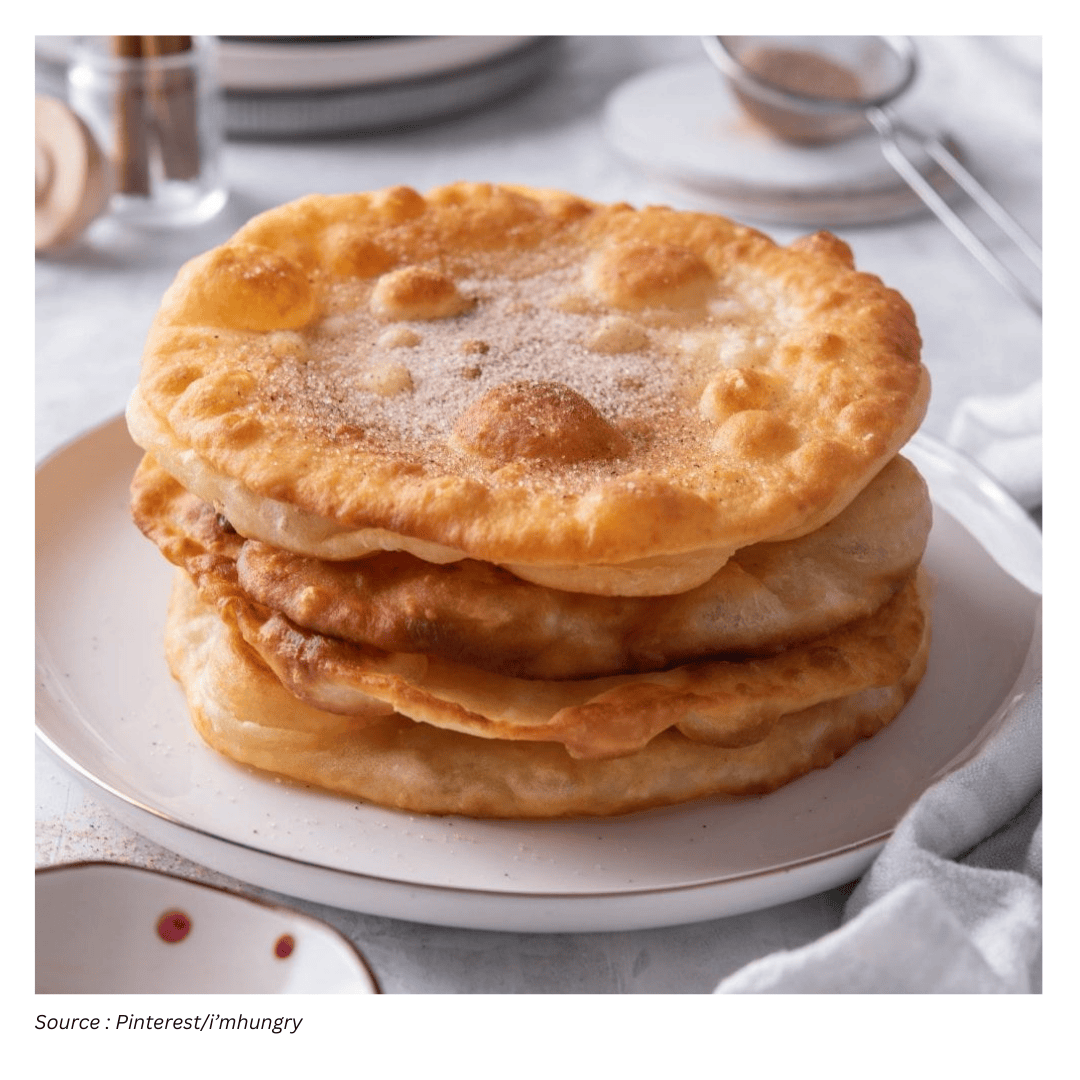
A classic fair-style treat you can make at home
Elephant ears are one of those desserts that instantly bring to mind the energy of a fairground: hot oil, sweet toppings, and a warm pastry handed over in a paper tray. This elephant ears recipe aims to recreate that experience at home with a simple approach and familiar pantry ingredients. The result is what people love most about this style of fried dough—light and airy texture, a tender and slightly chewy center, and a crisp exterior that holds up beautifully under a generous shower of cinnamon sugar.
If you’ve ever enjoyed funnel cakes at a county or state fair or along a boardwalk, elephant ears will feel familiar. They sit in the same family of “cinnamon-sugar fried dough” treats, offering that satisfying contrast between crisp edges and a softer interior. The appeal is straightforward: it’s warm, sweet, and best enjoyed fresh.
What elephant ears are (and why they’re called that)
This dessert is commonly described as a circular piece of dough that’s fried and then topped with cinnamon sugar. While the dough begins as a round, it often becomes large, wavy, and slightly wrinkled as it fries. That distinctive shape is what gives elephant ears their name—the finished pastry resembles the broad, rippled look of an elephant’s ear.
They’re widely associated with fairs, carnivals, and food trucks, and they’re also found in different places around the world. The same basic idea—fried dough finished with a sweet topping—shows up in many regional variations, and people often have their own names for similar treats.
Texture and flavor: what to expect
When made well, elephant ears are all about contrast. The outside becomes crispy and golden, while the inside stays tender and pleasantly chewy. The cinnamon sugar topping adds warmth and sweetness, clinging to the surface while melting slightly from the heat of the freshly fried dough. It’s a simple finish, but it’s also the one many people consider essential.
Because the pastry is best served warm, elephant ears are often most enjoyable right after frying. That’s when the exterior is at its crispest and the interior still feels soft and airy.
Ingredients used in this style of elephant ears
This recipe is built around basic baking staples plus frying oil and a cinnamon-sugar topping. The ingredient list includes:
- Whole milk
- All-purpose flour
- Granulated sugar
- Baking powder
- Fine sea salt
- Unsalted butter
- Ground cinnamon
- Peanut oil for frying
These ingredients work together to create dough that fries up with a crisp exterior and a tender interior. The cinnamon and sugar provide the classic fair-style finish.
Serving ideas and topping variations
Cinnamon sugar is the signature topping, but it’s far from the only option. One of the easiest ways to personalize elephant ears is to change the finish depending on the occasion, the season, or what you already have on hand. You can keep things simple with a dusting of powdered sugar, or you can turn elephant ears into a more elaborate dessert with extra toppings.
Here are topping ideas that pair well with warm fried dough:
- Powdered sugar
- Whipped cream
- Fresh fruit
- Festive sprinkles
- Your favorite pie filling
- A scoop of your favorite flavor of ice cream
- Chocolate syrup
- Caramel syrup
Because elephant ears are best enjoyed warm, toppings that melt slightly—like chocolate or caramel syrup—can be especially appealing. For a lighter approach, powdered sugar or fresh fruit keeps the focus on the fried dough itself.
When to eat them: timing matters
Elephant ears are at their peak on the day they’re made. Freshly fried dough has a crispness that’s difficult to fully replicate later, even with reheating. If you’re planning to serve these for a group, it’s worth timing the frying so they can be eaten warm.
That said, leftovers can still be enjoyable if stored properly and reheated with care.
How to store elephant ears at room temperature
If you have extra elephant ears, they can last up to 2 days at room temperature. For best results, store them in a way that helps prevent the surface from becoming overly soft. Since the topping can absorb moisture over time, the texture may change, but the pastry will still be pleasant when warmed.
Freezing elephant ears for later
Elephant ears can also be frozen, which is helpful if you want to make a batch ahead of time or save extras. A practical method is to place sheets of parchment paper or wax paper between each piece so they don’t stick together. Then place them in a freezer-safe bag. Stored this way, they can keep for up to 3 months.
One additional tip: if you can, freeze them without the cinnamon sugar on top. This helps preserve the surface texture and makes it easier to refresh the topping after reheating.
Reheating: bringing them back to life
Elephant ears are best eaten warm, and reheating is a simple way to restore some of that fresh-from-the-fryer appeal. Two quick options are commonly used:
- Microwave: Warm one for about 15 seconds to heat it through.
- Oven: Place it in the oven for a minute or so to revive the texture.
After reheating, you can add cinnamon sugar (especially if you froze the pastry without it) or finish with powdered sugar and other toppings.
Fair food at home, any time of year
Part of the charm of elephant ears is the setting where many people first try them: a busy fair with food vendors, trucks, and the sense that you’re treating yourself to something special. But the point of a good at-home elephant ears recipe is that you don’t have to wait for fair season to enjoy that same style of dessert. With a straightforward dough and a simple cinnamon-sugar finish, it’s possible to recreate the familiar flavor and texture in your own kitchen.
They also fit naturally into a “fun fried food” lineup. If you enjoy desserts like sopapillas, fried mac and cheese balls, or classic funnel cakes, elephant ears are another crowd-pleasing option—crispy, sweet, and easy to customize with toppings.
Oil choice and allergy considerations
This version uses peanut oil for frying. If you’re cooking for someone with a peanut allergy, it’s understandable to look for an alternative oil that can be used for frying. The key is choosing an oil that suits frying and your household’s dietary needs. If peanut oil isn’t an option for your family, select another frying oil you’re comfortable using.
Practical tips for the best experience
- Serve warm: Elephant ears are most satisfying when eaten shortly after frying.
- Customize the finish: Cinnamon sugar is classic, but powdered sugar, fruit, syrups, or ice cream can change the dessert’s personality.
- Plan for freshness: They’re best the same day, though leftovers can be kept at room temperature for up to 2 days.
- Freeze smart: Use parchment or wax paper between pieces and freeze up to 3 months, ideally without the cinnamon sugar topping.
- Reheat briefly: A quick microwave warm-up (about 15 seconds) or a short oven reheat can improve texture.
A simple dessert that feels special
Elephant ears don’t need complicated ingredients or elaborate decoration to feel like a treat. Their appeal comes from the basics done right: fried dough that’s crisp on the outside and tender inside, finished with a sweet topping that makes each bite taste like a fairground favorite. Whether you stick with cinnamon sugar or experiment with powdered sugar, whipped cream, fruit, or syrup, this is the kind of dessert that’s easy to share—and hard to stop eating once it’s on the table.
If you’re craving an at-home version of a familiar fair food, elephant ears are a satisfying choice: warm, airy, and customizable, with storage and freezing options that make it possible to enjoy them beyond the day you fry them.