
Cheesy French Onion Pot Roast: A Comforting Braise with Caramelized Onions, Garlic Croutons, and Gruyère
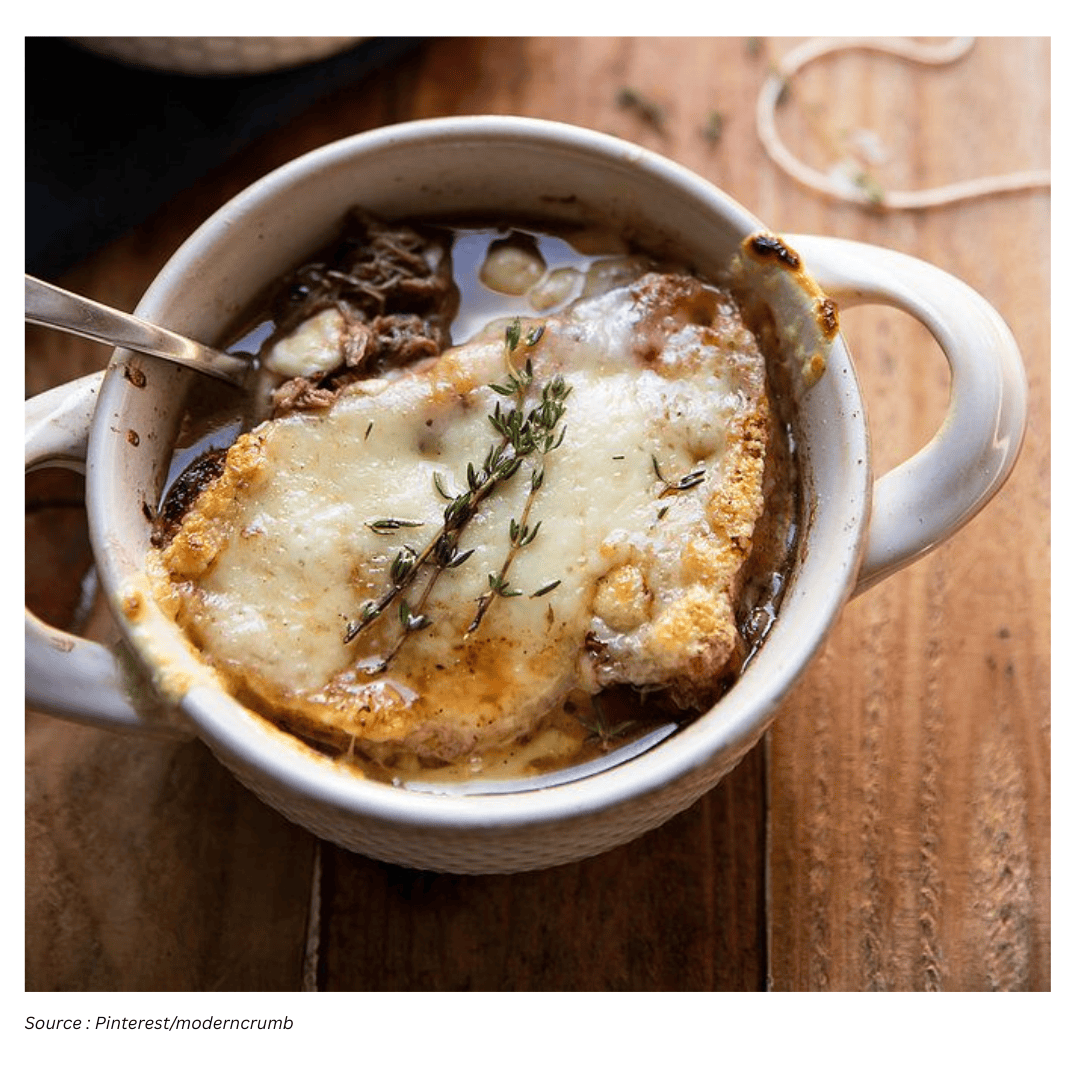
A French onion-inspired pot roast that leans into comfort and elegance
French onion soup has a reputation for being deceptively simple: a short ingredient list, yet a long path to the deep flavor people crave. The magic is in the onions—patiently cooked until their sharpness softens and their natural sugars turn them richly golden. Add broth, bread, and a bubbling layer of nutty cheese, and you have one of the most beloved comfort dishes on many menus.
This recipe takes that familiar French onion profile and pairs it with another classic of slow cooking: pot roast. The result is a dish that feels both homey and dinner-party worthy, built around tender beef, deeply caramelized onions, and a signature topping of toasted baguette and broiled Gruyère. It’s a braise designed for people who love the layered savoriness of long cooking and the finishing flourish of melted cheese.
Recipe developer Julie Kinnaird describes the appeal as a balance of cozy and refined. The extended cooking time creates a depth that reads savory, buttery, nutty, and sweet all at once. When the roast is done, it becomes fall-apart tender, and the onions—once pungent—turn mellow and richly flavored, coloring the sauce with their caramelized sweetness.
What makes the flavor work: onions, time, and a few strategic accents
At its core, this dish is about building flavor in stages. First comes browning the beef to create a crust, then caramelizing a generous amount of onions, and finally braising everything together until the meat yields easily. The onions are deglazed with dry white wine and balsamic vinegar, which helps lift the browned bits from the pot and adds a tangy edge to the sweetness of the caramelization.
Fresh thyme sprigs cook alongside the meat, infusing the braising liquid with a subtle herbal note while the beef broth provides the base for a savory sauce. And then there’s the finish: croutons made from baguette slices brushed with olive oil and minced garlic, topped with shredded Gruyère and broiled until browned and bubbly. That last step pulls the whole dish firmly into French onion territory—bread plus melted cheese—while still keeping the hearty identity of a pot roast.
Key ingredients and why they’re used
Boneless beef chuck roast (3 to 4 pounds): Chosen for marbling and tenderness after a long braise. Boneless makes shredding and serving tidier.
Yellow onions (3 pounds): It may look like a lot, but onions cook down dramatically as they caramelize. They are the backbone of the dish’s sweetness and depth.
Unsalted butter and olive oil: Used for both browning the roast and caramelizing the onions, contributing richness and helping with even browning.
Dry white wine and balsamic vinegar: Used to deglaze the pot after caramelizing onions; they add tang and complexity while loosening flavorful browned bits.
Beef broth: The braising liquid that carries the onion flavor through the meat and becomes the base of the sauce.
Fresh thyme sprigs: Added during braising for a gentle herbal layer.
Baguette slices, minced garlic, olive oil: Turned into crisp, garlic-scented croutons that mimic the classic soup topping.
Shredded Gruyère: Broiled at the end for a nutty, melty finish that echoes French onion soup.
Kosher salt and black pepper: Used throughout to season both meat and onions.
Step-by-step method (Dutch oven or braiser)
This recipe is built around a straightforward sequence: sear, caramelize, deglaze, braise, then finish under the broiler. A large Dutch oven or braiser is ideal because it holds heat well and can go from stovetop to oven.
Heat 2 tablespoons olive oil and 2 tablespoons butter over medium-high heat.
Pat the roast dry and season both sides with 1 teaspoon salt and 1/2 teaspoon pepper.
Sear the roast for about 5 minutes per side to form a crust, then remove to a platter.
Reduce heat to medium. Add another 2 tablespoons olive oil and 2 tablespoons butter.
Add the onions with the remaining 1 teaspoon salt. Cook for about 30 minutes, stirring occasionally, until deep golden brown.
Deglaze with the dry white wine and balsamic vinegar. Cook until most of the liquid evaporates, stirring up browned bits from the bottom.
Return the roast to the pot, add the thyme sprigs, cover with a lid, and transfer to the oven.
Braise for about 3.5 hours, until the meat is very tender.
While the roast cooks, prepare the croutons (either during the braise or after the pot comes out of the oven).
Line a small baking tray with parchment paper and arrange baguette slices in an even layer.
Mix the remaining olive oil with minced garlic and brush onto the baguette slices.
Bake on a top rack for about 15 minutes, until golden and crisp.
To finish the dish:
When the meat is tender, remove the pot from the oven and shred the beef into chunks.
Top the shredded beef with the garlic croutons and a layer of shredded Gruyère.
Return the pot to the oven and broil until the cheese is browned and bubbly.
Serve in shallow bowls with your favorite sides.
Why chuck roast is a natural fit for braising
Choosing the right cut matters more for pot roast than it does for a dry roast. The technique here—browning followed by a long, moderate-temperature braise—turns tougher cuts into something tender and succulent. Moist heat and low-and-slow cooking give connective tissue and well-exercised muscles time to break down, creating that “fall-apart” texture people associate with a great pot roast.
Kinnaird prefers boneless beef chuck for this recipe because it comes from the shoulder region and typically has a high degree of marbling. That fat helps keep the meat juicy as it cooks for hours, and it enriches the sauce that forms in the pot.
An alternative cut: bottom round (rump roast)
Chuck isn’t the only option. Another approach is bottom round, also called rump roast, from the hindquarters of the cow. Like chuck, it has connective tissue that can become soft and gelatinous with enough braising time. However, it generally has less marbling than chuck.
That difference can be a benefit if you prefer a less fatty sauce while still keeping rich flavor. Bottom round is also better suited to slicing than pulling, though with sufficient cooking time you can achieve either effect.
Serving style: shallow bowls and a French onion finish
Because the topping is part of the identity of the dish, serving it in shallow bowls helps keep the croutons and cheese integrated with the beef and onions. The braised meat and caramelized onions provide the hearty base, while the toasted baguette adds crunch and the Gruyère brings the classic nutty, melty finish associated with French onion soup.
The recipe is described as generous, with enough hearty servings to expect leftovers—often a perk with a slow-cooked braise like this one.
Leftovers and food safety: cooling and storing thoughtfully
Because this makes a substantial amount of food, proper storage matters. The dish should be cooled completely before refrigerating so that a warm center doesn’t create conditions where bacteria can form. One practical approach is to portion the roast into individual containers that can be sealed and refrigerated. Those containers can include the croutons and cheese as well.
For reheating, you can transfer a portion to a microwave-safe dish and heat it through. Another option is using an oven-safe dish, then giving the croutons and cheese a brief broil at the end to refresh the topping.
How to make it ahead for easier hosting
This pot roast also lends itself to advance preparation. You can cook the roast completely, allow it to cool, and store the entire pot in the refrigerator for up to five days. When you’re ready to serve, gently reheat the roast and onions in the oven. Prepare the croutons, layer them over the reheated meat with the cheese, and finish with a broil for that browned, bubbly top.
With the main dish already prepared, you can focus on rounding out the meal with your favorite sides—whether you’re planning a casual Sunday gathering or setting the table for a more candlelit, relaxed dinner.
A slow-cooked centerpiece with classic flavors
This cheesy French onion pot roast is ultimately a meeting point between two comfort classics: the deep sweetness of caramelized onions and the satisfying richness of a long-braised beef roast. The wine and balsamic vinegar sharpen and balance the onions, thyme adds a gentle aromatic note, and the final layer of garlic croutons and broiled Gruyère provides the signature French onion flourish. It’s the kind of dish that rewards patience, fills the kitchen with savory aromas, and serves well both on the day it’s made and in the days that follow.