
Beef Salpicao: A Fast, Garlicky Stir-Fry With Big Umami Flavor
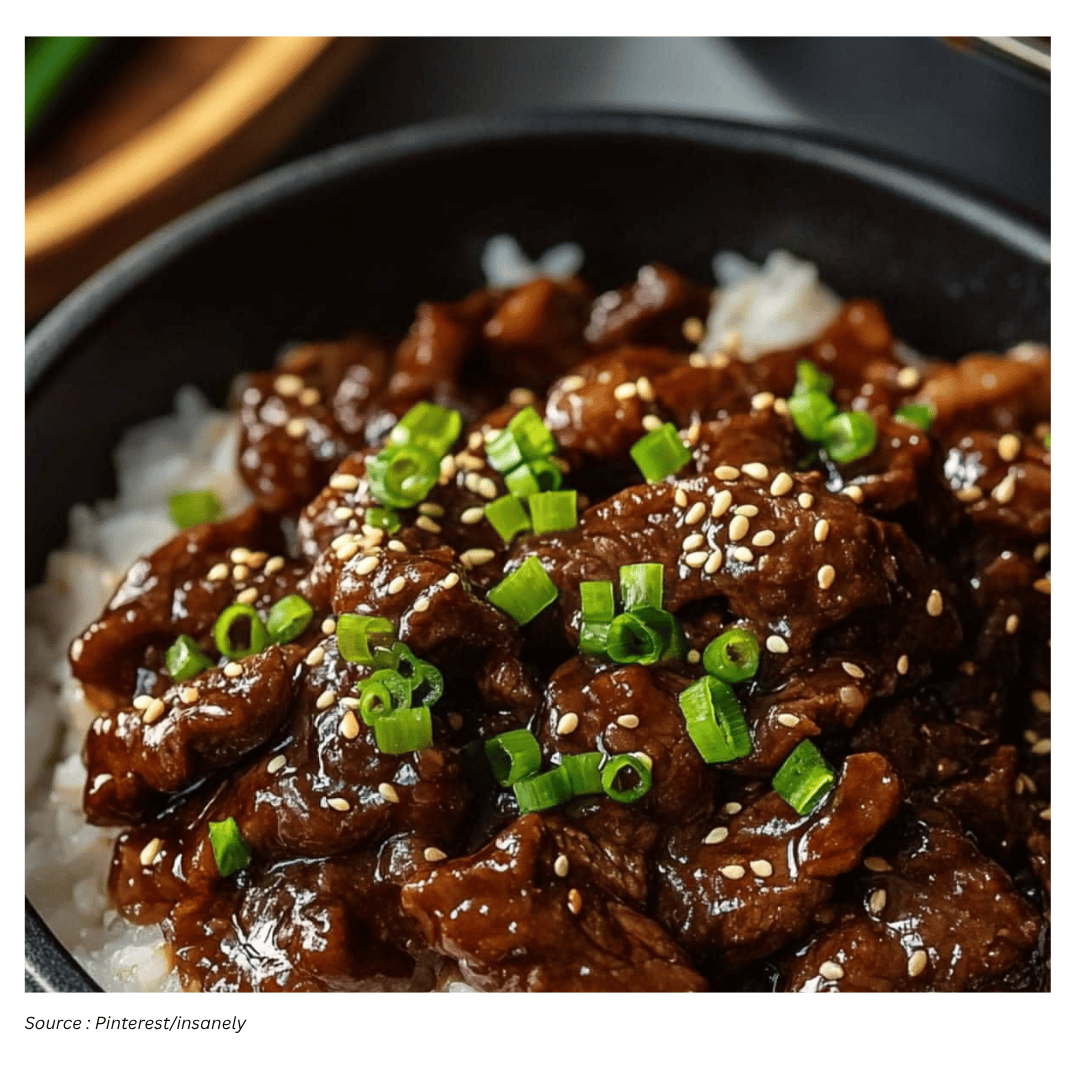
A weeknight stir-fry that doesn’t feel like a compromise
When time is tight during the week, stir-fries often rise to the top of the dinner shortlist for a simple reason: they’re built for speed. With high heat, a short ingredient list, and a sauce that comes together in minutes, a good stir-fry can deliver a satisfying meal without the extended prep or long simmer times that many comfort dishes require. Beef salpicao fits neatly into that category—an easy dish with a bold, garlicky, umami-forward sauce that can be prepared in under 20 minutes.
In practical terms, beef salpicao is the kind of recipe you can reach for when you want something quick and delicious but still crave depth of flavor. It’s also flexible enough to adapt, which is part of its appeal: the core technique stays the same, while the protein can shift depending on what’s in your fridge.
What beef salpicao is—and how it’s typically served
Beef salpicao is a dish that originated in the Philippines. It’s typically made with tender cubes of beef that are marinated in a flavorful sauce and then quickly stir-fried with garlic until cooked to medium or medium-rare. The dish is commonly served with rice and topped with fried garlic, which adds both flavor and texture.
The overall experience is defined by contrast: the beef is seared quickly so it stays tender, the sauce brings a savory richness, and the garlic—cooked until golden and then added back at the end—provides a crisp, aromatic finish. It’s a straightforward idea, but it’s one that can feel restaurant-worthy when executed well.
Why the ingredient list stays short (and why that matters)
One of the most striking things about this beef salpicao approach is that it uses just nine ingredients. That’s not a gimmick; it’s a reminder that strong flavor doesn’t always require a long shopping list. When a recipe relies on a few well-chosen components—garlic, an umami-leaning sauce mixture, butter for richness, and properly cooked beef—each element has a clear role.
A shorter ingredient list also makes the recipe easier to repeat. If you’re building a rotation of dependable weeknight meals, repeatability matters as much as taste. A dish that’s delicious but complicated can quickly become something you only make once. Beef salpicao, by contrast, is designed to be made again and again.
The essential method: garlic first, then sauce, then a fast sear
The cooking method is simple, but each step has a purpose. The goal is to maximize flavor while protecting the beef’s texture—especially important because this dish is best when the beef is cooked to medium-rare or medium.
- Cook the garlic until golden brown, then remove it. This step creates fried garlic for topping and infuses the cooking fat with garlic flavor. Removing the garlic once it’s golden helps prevent it from burning later, which can introduce bitterness.
- Whisk together the sauce ingredients. Making the sauce in advance keeps the stir-fry process smooth. Since the beef cooks quickly, you don’t want to be measuring or mixing once the pan is hot.
- Sear the beef over medium-high heat. The beef is cooked hot and fast, which helps it brown while staying tender. This is a defining technique for beef salpicao.
- Add the sauce and butter. The sauce coats the beef and the butter adds richness, helping the mixture cling and gloss over the meat.
- Return the garlic before serving. The fried garlic goes back in at the end so it stays aromatic and provides texture.
Although the steps are brief, they’re ordered deliberately. Garlic is treated as both a flavor base and a garnish. The sauce is prepared ahead so the beef can be cooked without delay. And the final toss brings everything together quickly, ensuring the beef isn’t overcooked.
Getting the beef texture right: the “hot and fast” rule
The most important texture note in beef salpicao is also the most practical: cook the beef to medium-rare or medium, or it will be too tough. This is why the beef is cooked for about 1–2 minutes per side at high temperature. The timing may sound short, but it’s central to what makes the dish work.
In many stir-fries, overcooking is the easiest mistake to make—especially when you’re trying to “play it safe.” Beef salpicao takes the opposite approach. It assumes that tenderness comes from restraint and high heat, not from longer cooking. The sear builds flavor quickly, and the sauce finishes the dish without requiring additional time in the pan.
Variations: swapping proteins without changing the spirit of the dish
Like many recipes, beef salpicao can be adjusted to match what you have on hand. While the classic version is made with beef, you can use chicken or pork instead. The key consideration is timing: the cooking time will need to be adjusted depending on the protein.
This flexibility is particularly useful for weeknight cooking. If you like the garlicky, umami character of the sauce and the quick stir-fry method, you can keep the overall structure and simply change the main ingredient. That said, the technique still matters: the dish is built around quick cooking, so it’s best to keep the pieces sized for fast searing and even doneness.
Serving ideas: simple sides that make it feel complete
Beef salpicao is often served with rice, which makes sense given the dish’s savory sauce and the way garlic and butter coat the beef. Rice also helps balance the intensity of the flavors, giving you something neutral to pair with each bite.
This recipe is great on its own, but it also works with side dishes. The best pairings are the ones that don’t compete with the main dish’s signature flavors. Since salpicao is already rich and garlicky, sides that are straightforward and supportive tend to work best—think of them as a way to round out the meal rather than redirect it.
Leftovers and reheating: what to expect
Beef salpicao is at its peak right after cooking, when the beef is tender and the garlic topping still offers texture. That said, leftovers can still be worthwhile if stored properly. Leftovers will store well in the fridge for 2–3 days in an air-tight container. The main caveat is texture: the beef’s texture might be compromised after reheating.
Reheating method matters. While you can use a microwave, reheating in a skillet over low heat with the sauce until warmed through is a gentler approach. Lower heat reduces the risk of pushing the beef past its ideal doneness, and warming it in the sauce helps keep the pieces coated and flavorful.
Equipment considerations: why the pan choice affects the outcome
The equipment you use is important to how the recipe turns out. Beef salpicao depends on a strong sear, and that depends on maintaining heat. A pan that can hold steady temperature helps you brown the beef quickly without steaming it, which is especially important when the cooking time is only a couple of minutes per side.
Even though the process is simple, it’s worth treating the equipment as part of the recipe. A good sear is not just about taste; it’s also about timing. The faster you can brown the beef, the easier it is to keep it at medium-rare or medium without overshooting.
A practical timeline for a sub-20-minute dinner
One reason beef salpicao works so well as a weeknight dish is that the steps can be organized into a tight timeline. The sauce can be whisked while the garlic cooks, and the beef can be ready to sear as soon as the pan is hot. In other words, the recipe rewards a little bit of sequencing.
- Start with the garlic: cook until golden brown, then remove.
- While the garlic cooks: whisk the sauce ingredients together.
- Sear the beef: 1–2 minutes per side over medium-high heat.
- Finish: add sauce and butter, coat the beef, then add the garlic back before serving.
This flow keeps the pan work efficient and helps ensure that the beef spends as little time as possible cooking after the sauce is added.
What makes it memorable: garlic, umami, and a family-friendly payoff
Despite its speed and simplicity, beef salpicao tends to leave a strong impression. The dish is loaded with a garlicky, umami-flavored sauce, and the fried garlic topping reinforces that character with aroma and texture. It’s the kind of recipe that feels bigger than the sum of its parts—especially considering the short ingredient list.
In a home setting, that combination can translate into a reliable crowd-pleaser. The recipe described here was reported as a hit with the cook’s family and one they would definitely make again. That’s often the most meaningful endorsement a weeknight dish can earn: not just that it tastes good once, but that it’s easy enough—and satisfying enough—to return to regularly.
Key takeaways for making beef salpicao successfully
- Keep the cooking hot and fast: sear the beef quickly to protect tenderness.
- Don’t overcook: medium-rare or medium is the target; beyond that the beef can turn tough.
- Cook garlic separately: golden brown, removed, then added back at the end for best flavor and texture.
- Make the sauce ahead: whisk it together before the beef hits the pan.
- Store and reheat gently: refrigerate 2–3 days; reheat in a skillet over low heat with sauce when possible.
Beef salpicao is, at its core, a simple stir-fry—but it’s also a lesson in how small choices (like removing the garlic at the right moment or stopping the beef at medium-rare) can make a quick meal taste deliberate and complete.