
Ranking 9 Chain Restaurant Burgers: From Disappointing to Crave-Worthy
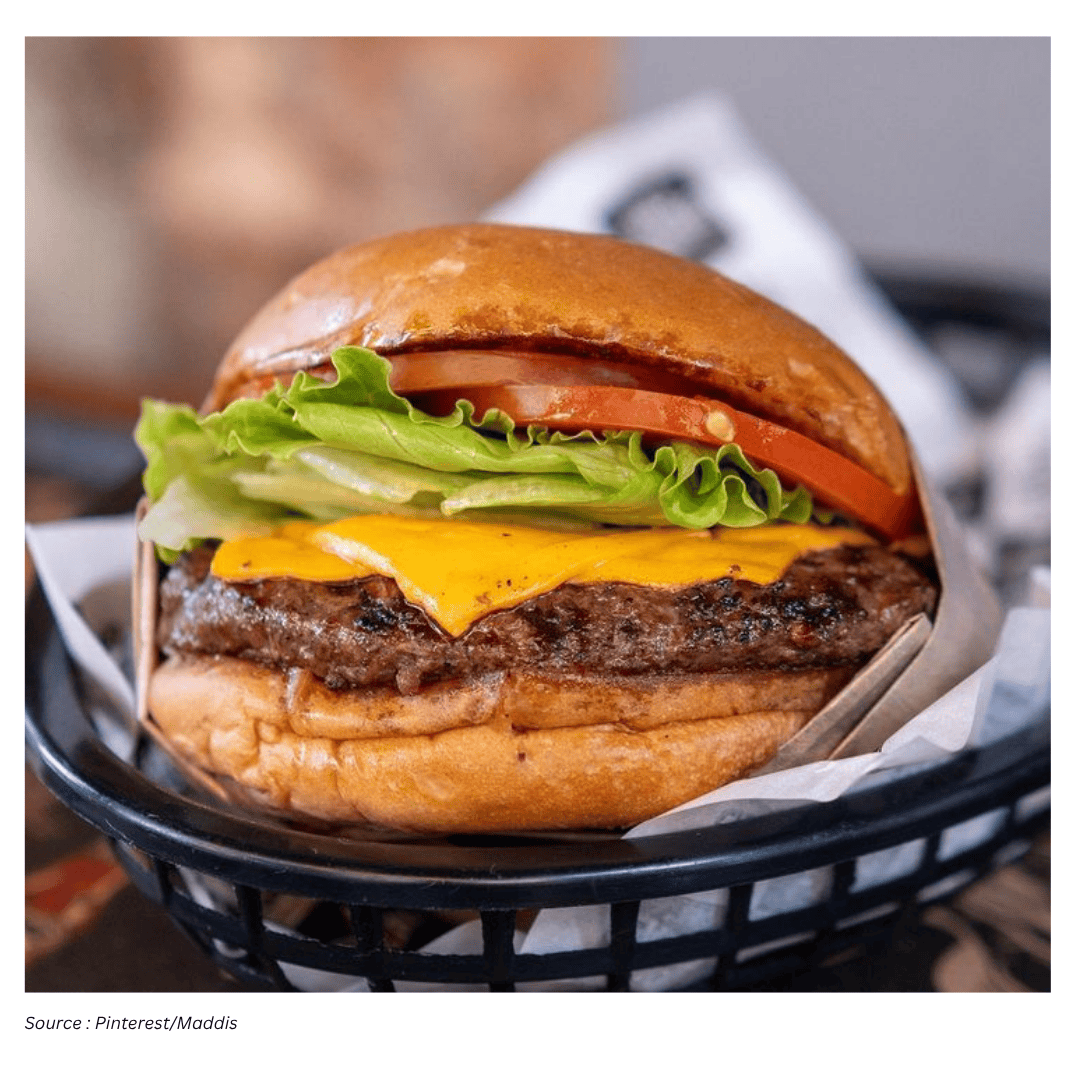
A burger taste test built around the basics: flavor, freshness, and balance
Chain burgers occupy a surprisingly wide spectrum. Some are built for speed and familiarity—exactly what you want when you need something quick—while others aim for a more “luxury” quick-service feel, with higher prices and a promise of better ingredients. To see how those different approaches actually translate on the bun, a small family tasting set out to rank nine popular chain restaurant burgers from worst to best.
The burgers were sampled over the course of a few evenings, with notes taken after each stop. The group focused on a consistent set of criteria: flavor, texture, perceived ingredient quality, how fresh the burger tasted, overall appearance, and any unique qualities that made it stand out (for better or worse). The goal wasn’t to crown the most famous burger, but to identify the one that delivered the most satisfying overall experience when all the elements came together.
There was one important limitation: availability. The tasting was constrained by which chains were present locally, meaning some regional favorites—particularly those associated with the West Coast—weren’t part of the lineup. Even so, the selection covered a range of styles, from drive-thru classics to pricier fast-casual options.
Across the nine burgers, a few themes emerged. Burgers that fell to the bottom of the rankings often suffered from one of three issues: a lack of freshness (temperature, dryness, or a stale flavor), an unbalanced build (too much sauce or too little beef presence), or an overly greasy experience that compromised texture and cohesion. The top performers tended to nail the “perfect storm” of positives: a well-assembled burger, fresh-tasting ingredients, a craveable signature flavor, and a texture that held up from first bite to last.
How the burgers were judged
Flavor: seasoning, beef taste, and whether condiments and toppings supported or overwhelmed the patty.
Freshness: temperature, juiciness, and whether the burger tasted recently cooked and assembled.
Texture: the bite of the beef, bun feel, and whether the burger stayed cohesive or fell apart.
Ingredient quality: how the beef, cheese, bacon, and toppings came across on the palate.
Appearance and assembly: whether it looked appetizing and seemed put together with care.
Uniqueness: a distinct signature taste or approach that made it memorable.
9) Sonic: the wait didn’t translate into freshness
Sonic can be a nostalgic stop for many people, especially for its drinks and slushes. In this tasting, that positive association didn’t carry over to the burger. The visit began with a small disappointment: milkshakes were unavailable due to the familiar “machine is broken” situation, so the focus stayed entirely on the cheeseburger.
There was also a notable wait—around 15 minutes—because the kitchen was behind. In theory, a longer wait can be a good sign if it means the food is being cooked to order and served hot. Here, the opposite happened. The cheeseburger arrived room temperature and dry. While it looked reasonably well assembled, the flavor didn’t deliver.
The most significant criticism was the taste of the meat itself. Rather than resembling the other burgers in the lineup, the beef came across as old—like something that had spent too long in a freezer and picked up surrounding flavors. Even though the burger was a decent size, it was dismissed after only a couple of bites. On a list built around freshness and flavor, that combination placed Sonic firmly at the bottom.
8) McDonald’s Big Mac: iconic build, but the beef got lost
McDonald’s is a touchstone for many diners, particularly those who grew up with the brand’s family-friendly reputation and the lasting appeal of the Happy Meal. That familiarity made it especially interesting to see how an iconic burger would fare against thicker, meatier competition.
The choice for this tasting was the Big Mac, a burger designed to be unmistakable: a three-part bun, shredded lettuce, Big Mac sauce, pickles, cheese, and beef patties. In this case, the components were present, but the patties were unexpectedly small—so small they seemed more appropriate for a smaller sandwich than a Big Mac.
The result was a burger that didn’t taste “bad,” but didn’t taste like the burger experience the testers wanted. The dominant impression was sauce and lettuce—almost like a salad on buns—without enough beef presence to break up the flavor and texture. For anyone who loves that specific Big Mac profile, it may still satisfy, but in this ranking, the imbalance pushed it near the bottom.
7) Wendy’s Baconator: great bacon, softer bun, but the beef didn’t shine
Wendy’s often emphasizes its use of fresh, never frozen beef, which can raise expectations—especially for a burger as bold as the Baconator. In this tasting, the overall sandwich came across as juicy, and several elements were genuinely appreciated. The bacon stood out as particularly impressive in both flavor and texture, reinforcing the sense that Wendy’s “takes care of its bacon.”
The bun also earned praise for its softness, with a feel closer to a steamed bun than the more basic seeded buns common at many fast-food chains. And the square patties—one of Wendy’s signature touches—were acknowledged as distinctive and as offering a bit of extra beef.
Still, when the testers focused specifically on the beef patties, the texture and flavor didn’t meet expectations for a top-tier burger. With bacon already adding richness, the extra beef in this build felt excessive rather than balanced. The Baconator’s uniqueness was noted, but the beef itself didn’t provide the standout quality needed to climb higher in the ranking.
6) BurgerFi: solid ingredients, but the price raised the bar
BurgerFi entered the tasting with some goodwill. Past visits had left a strong impression, including enthusiasm for both burger quality and fries, and the chain had felt exciting for its unique offerings. That context made the return visit especially revealing.
This time, the cheeseburger landed in the “fine” category: middle of the road, basic, and not actively disappointing—yet not memorable. It performed better than some drive-thru-heavy fast-food options, but for a chain positioned as a more premium quick-service experience, the testers expected more personality and flavor.
Price played a meaningful role in the assessment. At $10.99, it was one of the most expensive burgers sampled, and the group felt the flavor didn’t justify the cost. The ingredients seemed to be of good quality, but the burger didn’t “hit” where they wanted it to. Compared with other chains that made even a simple cheeseburger feel distinctive, BurgerFi’s straightforward approach felt like an overcharge, limiting how high it could rank.
5) White Castle: greasy, snackable sliders with real charm
White Castle was a first-time experience for the main taster, despite having plenty of fans nearby. That novelty mattered, because sliders are their own category: smaller, more snackable, and often eaten in multiples rather than as a single large sandwich.
To get a fuller sense of the menu, three sliders were chosen: the original, the cheese, and the 1921. The first impression was unmistakable: grease. The boxes and bag carried a soft, moist feel, and the sliders clearly needed to be eaten quickly to avoid becoming wet and sodden. While some grease can add appeal, too much can flatten texture and reduce cohesiveness—one of the few notable complaints in the tasting.
On the positive side, watching the preparation process was described as pleasing, with a rhythm and efficiency that felt like a well-practiced system. Of the three, the cheeseburger slider was the favorite. The 1921 offered fresh toppings, but it fell apart quickly, limiting the enjoyment. Overall, the sliders evoked a nostalgic, poppable “snack bite” feeling—fun and better than expected, even if the grease kept it from ranking higher.
4) Fatburger: the closest thing to a backyard burger—almost
There’s a particular satisfaction in a backyard burger: a juicy patty that feels hand-formed, cooked with attention, and paired with fresh ingredients. In this lineup, the original Fatburger came closest to recreating that experience in a fast food or fast-casual setting.
Even visually, the burger suggested care. The ingredients looked assembled with attention, placed where they needed to go rather than tossed together. The made-to-order approach helped, since it allowed time for that extra detail that high-volume fast food restaurants often can’t afford.
Flavor-wise, the burger impressed as a “basic burger done well,” with seasoning that stood out positively. The main critique was a missing element in the sauce department. With a better condiment balance—more mayo or another sauce—the burger could have ranked even higher. Still, it was a strong showing, especially for diners who prioritize a fresh-made feel.
3) Freddy’s Original Double: messy to handle, excellent to taste
Freddy’s offered one of the more dramatic turnarounds in the tasting. The initial visual impression was not encouraging: the burger looked disheveled and messily assembled, enough to make the tester consider ranking it low before even taking a bite. But the first bite changed the trajectory.
In terms of flavor, the Freddy’s Original Double landed among the best of the group. The beef had a seasoned, smash-style quality—though it was noted that another chain executed the smash approach even better. A standout detail was the cheese melt: Freddy’s did an “absolutely perfect job” melting the cheese into the beef, a small technical point that can make a big difference in overall satisfaction.
Pickles were another highlight. Instead of a couple of thin pickle chips, the burger came with two large pickles, which felt like an intentional choice rather than an afterthought. The main drawback was purely practical: it was hard to eat. If the burger were easier to control and less messy, it could have ranked higher, but the taste earned it a top-three finish.
2) Five Guys Cheeseburger: customizable and satisfying, but best eaten fast
Before this taste test, Five Guys was the go-to choice for a more “luxury” burger experience. The chain is known for customization, and that flexibility is a major part of its appeal: rather than simply removing disliked ingredients, diners can build a burger to their preferences. In this tasting, the cheeseburger was ordered without the usual “the works” approach to keep the comparison fair and avoid burying the patty under condiments and toppings.
Five Guys also came with a premium price tag. At $11.69 at the tester’s location, it was the most expensive burger in the lineup. The expectation was that this would be the best burger of the bunch—and it performed strongly, delivering a satisfying experience that justified its reputation.
The primary critique was about timing and texture after wrapping. Five Guys burgers can get a bit smashed and soft quickly, especially when taken to go. The testers noted that these burgers tend to taste best when eaten shortly after purchase, ideally in the restaurant. That limitation didn’t knock it far—Five Guys still ranked near the top—but it opened the door for a burger that delivered an even more distinctive, craveable payoff.
1) Shake Shack ShackBurger: a standout smashburger with a signature flavor
The top spot went to Shake Shack’s ShackBurger, a result that may not surprise regular fans of the chain but still felt like new ground for the main taster. Across the entire sampling process, the group kept looking for a burger that tasted truly unique—something difficult to define until it appeared. With the ShackBurger, that “this is it” moment arrived immediately.
There were minor logistical downsides. Ordering in person involved a rather long wait, and even the drive-through line took time. Still, those waits were described as worth it, and the solution was straightforward: ordering ahead in the future.
What set the ShackBurger apart was the total package. Like Fatburger, it was beautifully assembled, but it also delivered an “extra special flavor” that made it exceptional. The smashburger execution was highlighted as the best of the tasting: the browning and caramelization were “top notch,” surpassing even other strong smash-style contenders. The enthusiasm was immediate enough that the testers ordered a second burger right away.
Even the accompanying drink choice—a cherry pomegranate lemonade—left a strong impression, described as “pretty outstanding.” In the final analysis, the ShackBurger won because it balanced everything the tasting prioritized: assembly, freshness, texture, and a craveable signature flavor that made it stand out from the field.
What separated the best from the rest
When nine burgers are judged side by side, the differences become clearer. A burger doesn’t need to be the biggest or the most expensive to win; it needs to feel intentional. The lowest-ranked burgers struggled with freshness cues like temperature and dryness, or with flavor profiles that became one-note—too much sauce, not enough beef presence, or a stale-tasting patty.
Mid-ranked burgers often had a strong idea but also a limiting flaw: grease that threatened texture, a lack of sauce balance, or a build that fell apart too quickly. The top-ranked burgers combined strong beef flavor, satisfying texture, and a sense that the burger was assembled with care. In the end, the winner wasn’t just “good”—it was the one the testers wanted to go back for immediately.
The final ranking (worst to best)
9: Sonic cheeseburger
8: McDonald’s Big Mac
7: Wendy’s Baconator
6: BurgerFi cheeseburger
5: White Castle sliders (original, cheese, 1921)
4: Fatburger original
3: Freddy’s Original Double
2: Five Guys cheeseburger
1: Shake Shack ShackBurger
A practical takeaway for ordering chain burgers
One of the most consistent lessons from the tasting was how much timing and handling matter. Several burgers were best when eaten immediately, before heat and steam from wrapping softened the bun or dulled the texture. Another was the importance of balance: a burger can have great components—bacon, bun, toppings—but still fall short if the beef doesn’t carry its share of flavor or if condiments dominate the bite.
Ultimately, the ranking reflects a simple idea: the most satisfying chain burger is the one that tastes fresh, feels cohesive, and has a signature flavor that makes it memorable after the meal is over.