
Food Delivery Apps in the US, UK, and Canada: Market Growth, Leading Platforms, and Changing Habits
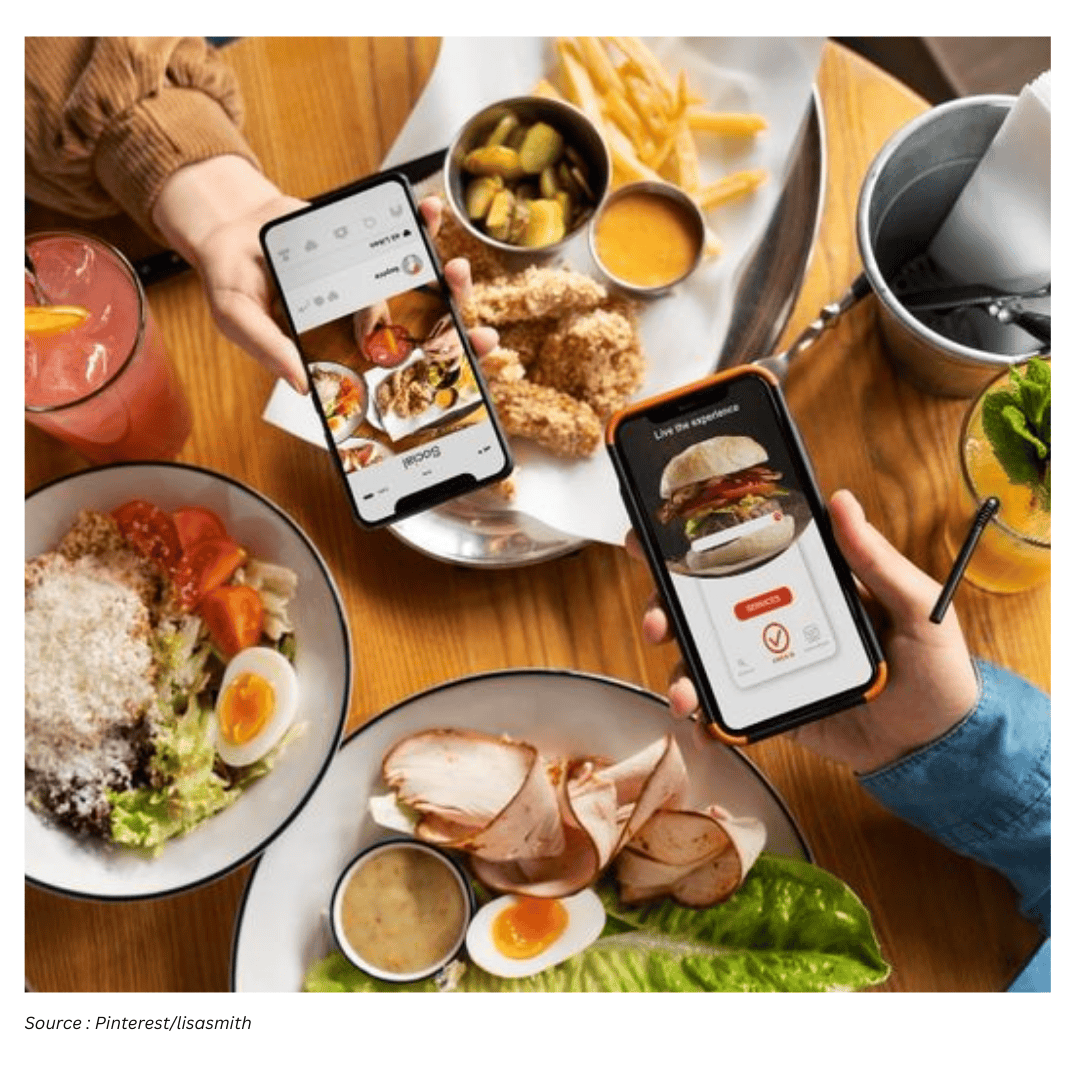
A new era of dining: from occasional takeout to everyday convenience
Over the past two decades, food delivery has moved from a narrow set of choices—often limited to familiar staples like pizza and Chinese takeout—into a broad, app-driven marketplace where customers can browse countless cuisines and order in seconds. What was once an occasional solution has become a routine part of how many people eat, especially in urban areas and among customers looking for time-saving options.
This shift is closely tied to the rise of third-party delivery platforms and the smartphone experience they provide. User-friendly mobile interfaces, smoother checkout flows, and real-time tracking have made ordering feel predictable and easy. At the same time, contactless delivery options and stricter hygiene practices reduced exposure risks during the pandemic, accelerating adoption and reinforcing delivery as a dependable alternative to dining out.
By 2025, the global food delivery market is valued at over $300 billion—more than double its size in 2017. That headline number reflects more than growth in transactions; it also signals a change in consumer behavior. Food delivery apps now serve a wide range of preferences, from comfort food to international specialties, and they increasingly function as a flexible tool for busy professionals, students, and families.
Why food delivery apps keep growing
Several forces are pushing the market forward across regions. Convenience is the most visible: ordering can be done quickly, and delivery can reduce friction in day-to-day life. But the industry’s growth also reflects broader shifts in how consumers think about time, choice, and reliability.
Technology that reduces uncertainty: Real-time tracking and streamlined mobile interfaces have made delivery more transparent and easier to manage.
Lower-friction interactions: In some markets, minimal human interaction is seen as a benefit that can reduce miscommunication.
Pandemic-era habit formation: Contactless delivery and hygiene expectations helped establish delivery as a normal, repeatable behavior.
Broader selection: Customers can explore multiple restaurants and cuisines without traveling, which increases the perceived value of the apps.
Even as pandemic conditions have eased, the underlying logic of delivery—speed, flexibility, and variety—continues to resonate. The result is a market that is expected to remain central to everyday life well beyond 2025.
United States: a large market led by a dominant platform
The United States has experienced rapid expansion in app-based food delivery. The market reached $26.1 billion in 2022 and is estimated to grow to $46.5 billion by 2028. Growth has been supported by busy lifestyles, a sizable urban population, and a lack of household help—factors that make convenience-oriented services more attractive.
Another contributor is the appeal of hassle-free delivery with minimal human interaction, which can mean fewer points of confusion between ordering and receiving food. In practice, this can translate to clearer order details and less back-and-forth, reinforcing consumer trust in the process.
In terms of what people order, pizza stands out as a major delivery category in the US. In 2021, consumer spending on pizza deliveries reached $19.8 billion, underlining how a familiar, delivery-friendly product continues to anchor a significant portion of demand.
Who uses delivery apps in the US—and which apps lead
Usage patterns in the US skew toward younger adults and lower-income earners. Food delivery apps are mainly used by 18- to 29-year-olds and by lower-income consumers, with those on lower incomes more likely to use these services.
Competition among platforms is substantial, but market share is uneven. DoorDash holds a 65% share of the US food delivery market, followed by Uber Eats at 23%. Other notable players include Grubhub and Postmates. The US also features a mix of national and regional dynamics: DoorDash dominates most regions, while Grubhub performs well in northeastern states such as New York.
This combination—strong national leaders alongside regional strengths—reflects the country’s size and the way consumer habits can vary by city and state. It also suggests why platforms compete not only on selection and price, but also on local density and operational reliability.
United Kingdom: rapid growth and a stronger shift toward health and sustainability
The UK’s online food delivery market has expanded quickly, growing 29.4% between 2018 and 2023. The current market size is valued at $3.3 billion and is projected to increase by 7.2% this year alone. While the market is smaller than the US in absolute terms, the pace of change and the evolution of consumer preferences have been striking.
In the UK, Just Eat is the most popular online food delivery app. In a 2022 consumer survey, 69% of participants said they had ordered from Just Eat in the previous 12 months. Deliveroo and Uber Eats also show strong usage, with 48% of participants reporting they had used each of those services in the same period.
Pizza remains important in the UK as well, with Domino’s Pizza leading the pizza delivery market by enabling consumers to order online via app and phone. This highlights how established restaurant brands and app-based ordering can reinforce each other: customers get a familiar product, while digital ordering makes repeat purchases more convenient.
How the pandemic reshaped UK spending and eating behavior
Consumer attitudes in the UK were significantly shaped during the pandemic years, affecting both spending behavior and food choices. According to a report focused on customer behavior, over half of customers (56%) were more concerned about their finances than before the pandemic. Another 56% reported holding back on making big purchases. In that context, food deliveries can function as a smaller, more immediate form of reward—something that feels attainable even when larger spending is reduced.
Alongside financial caution, health awareness intensified. In the same period, 62% of adults said they became more health-conscious during the pandemic. This shift matters because it influences not only what people order, but also what platforms and restaurants choose to promote and supply.
Environmental and health-conscious decisions have also become more prominent. In the UK, 60% of consumers are trying to control what they eat, and 82% are venturing into vegan food. Reflecting this change, demand for vegan food increased by 117% over a twelve-month period, and one major platform hosts over 15,000 plant-based and vegan-friendly restaurants and grocers. Taken together, these figures point to a market where dietary preferences are evolving quickly and where delivery apps are adapting their offerings accordingly.
Canada: strong adoption, sensitivity to fees, and a leading local platform
Canada’s online food delivery service market is projected to be worth over $98 billion by 2027. Even before the pandemic, Canadians were spending heavily on online food orders: in 2019, spending reached $4.7 billion, and that figure grew by 36% during the pandemic. The increase underscores how quickly ordering habits can change when convenience and safety become priorities.
SkipTheDishes is Canada’s most popular food delivery app, used by 55% of Canadians. Ordering patterns show a clear preference for fast food as the most popular option ordered online.
At the same time, Canadian consumers show notable price sensitivity around delivery costs. Almost half of Canadians are not happy to pay extra for delivery services for online orders. This matters because it can shape how platforms structure fees, promotions, and subscription-style benefits, and it can influence how often customers choose delivery versus pickup.
Comparing the three regions: growth rates, leading services, and what people order
Across the US, UK, and Canada, food delivery spending has risen significantly in recent years. From April 2020 to April 2021, transactions increased by 58% in the US, by 86% in Canada, and by 171% in the UK. The UK’s spike stands out as the sharpest increase in that period, reflecting how quickly delivery became embedded in daily routines.
In terms of scale, the US leads on revenue, with projections reaching $0.91 trillion in 2023. While these markets differ in size and structure, they share a common theme: third-party delivery services dominate in each country, with DoorDash leading in the US, Just Eat leading in the UK, and SkipTheDishes leading in Canada.
There is also overlap in platform presence across regions, including services such as DoorDash, Uber Eats, Zomato, and Just Eat. However, the way consumers use these apps can differ by country. The UK has seen a stronger shift toward healthy and environmentally conscious choices, while the US and Canada remain more oriented toward fast food as a primary delivery category.
Pricing and service differences: distance, fees, and groceries
Even when apps share similar features—menus, checkout, tracking—the practical experience of delivery can vary by country. In Canada, delivery charges tend to be higher due to longer distances, which can influence consumer satisfaction with fees and the perceived value of ordering in.
Service offerings also differ. Uber Eats provides grocery delivery as an additional service. In contrast, grocery delivery options are described as rare in the US among some food delivery apps. These differences can affect how frequently customers open a delivery app: a platform that supports both meals and groceries may become a more habitual tool, while a meals-only experience may be used more selectively.
What comes next: trends shaping food delivery beyond 2025
The pandemic-driven shift toward delivery is expected to persist. As people get busier, the demand for time-saving options is likely to keep food delivery services at the center of modern eating habits. At the same time, the industry continues to explore new models that could reshape how delivery works and what it includes.
Crowdsourcing drivers: Platforms can tap into a pool of independent drivers to complete deliveries, expanding capacity and flexibility.
Food delivery subscriptions: Subscription models can support scheduled deliveries and potentially make frequent ordering feel more predictable.
Meal-kit services: Partially prepared or pre-portioned meals can appeal to customers seeking healthier routines and environmentally conscious approaches.
Voice and virtual assistants: Tools like Alexa can be used to place orders, reducing friction further and integrating delivery into smart-home habits.
These developments reflect a broader reality: food delivery is no longer just a digital version of takeout. It is an evolving service category that blends logistics, software, consumer preference shifts, and changing expectations about convenience. Whether customers prioritize speed, cost, healthier options, or new ways to order, the market across the US, UK, and Canada shows ample room for continued innovation and adaptation.