
Choosing the Best Kitten Food: A Practical Guide for New Cat Parents
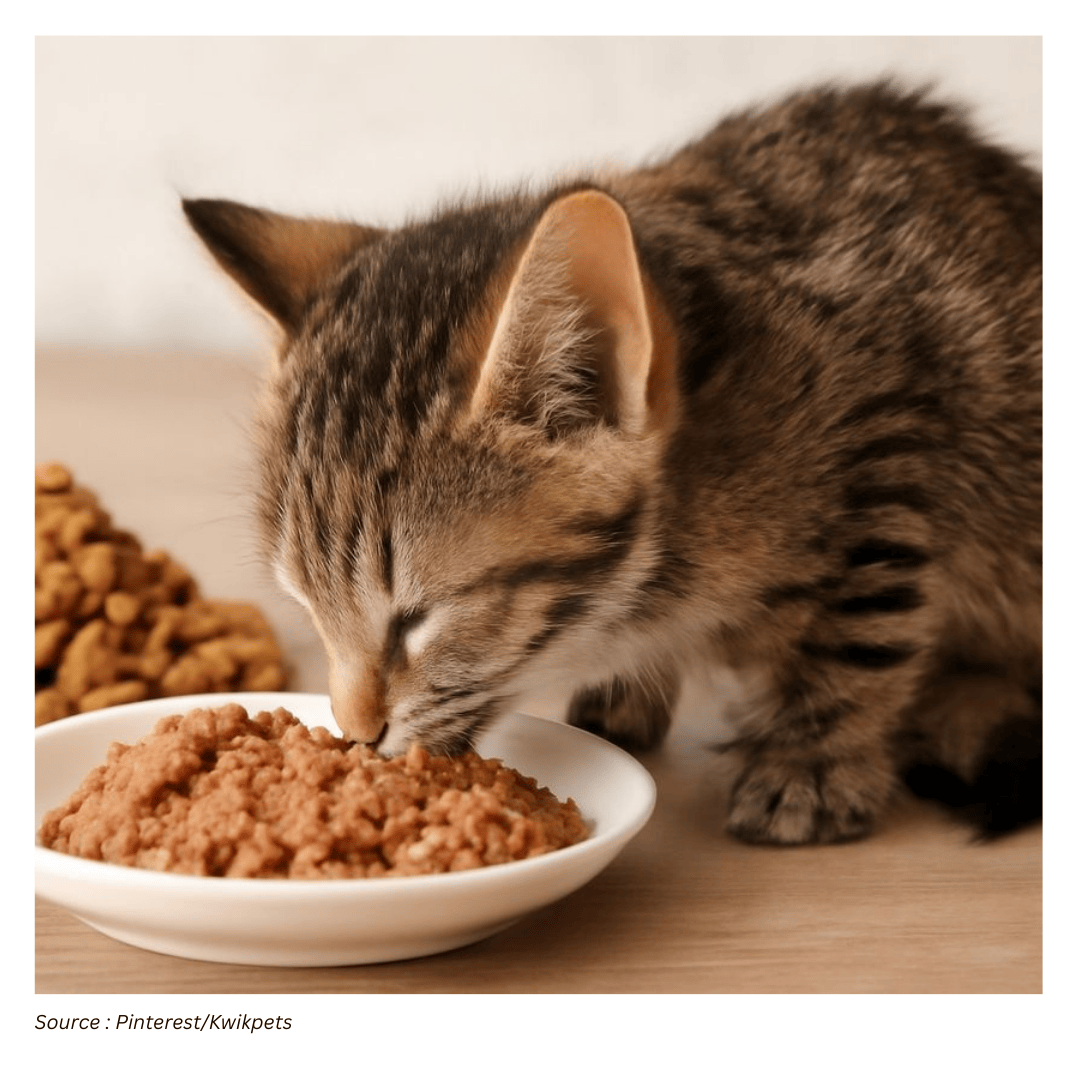
Why kitten nutrition matters from day one
Welcoming a new kitten into your home is an exciting milestone. Those first days are often filled with curiosity—tiny paws exploring corners, playful pounces, and the steady discovery of a new environment. Alongside the fun, however, comes a core responsibility for any cat parent: making sure a kitten’s diet supports healthy growth during a crucial developmental window.
Kittens are not simply “small cats.” Their bodies are building bone, muscle, and the foundation for long-term health. That is why the best kitten foods are designed to deliver a balanced mix of nutrients that match this rapid growth. A thoughtful feeding plan can help your kitten grow up strong and energetic, ready for all the climbing, chasing, and play that comes with kittenhood.
What a balanced kitten diet is meant to provide
Just like humans, kittens require a balanced and nutritious diet. In practical terms, that means their food should provide the right mix of protein, fiber, carbohydrates, and essential nutrients to support developing bones and overall growth.
When you are scanning labels or comparing options, it helps to keep the goal in mind: the “best food for kitten health” is the one that supports steady development and day-to-day vitality. Many cat parents focus on a single feature—such as protein or calories—but kitten nutrition is about the full package. The balance of nutrients matters because kittens are growing quickly and need consistent support across multiple systems at once.
Food choice depends on age—and sometimes health
One of the most important points for new cat parents to understand is that the type of food you choose should depend not only on a kitten’s health, but also on age. A kitten’s needs can change as they move from weaning to eating solid food regularly, and the right option early on may not be the best fit later.
Because age and health are both factors, a veterinarian can play a central role in helping you determine the best kitten food for your specific situation. This is especially true if you are caring for a weaning kitten or if you need to consider kitten formula before transitioning to wet or dry kitten food.
Understanding the main feeding paths: formula, wet, and dry
Most kitten-feeding decisions fall into a few broad categories. While individual kittens may have different needs, the general pathways include kitten formula, wet kitten food, and dry kitten food. Each can be appropriate depending on where your kitten is in development and what your veterinarian recommends.
- Kitten formula: Particularly relevant for very young or weaning kittens who are not ready for standard wet or dry food.
- Wet kitten food: A common choice once kittens are ready to eat, often selected for palatability and ease of eating.
- Dry kitten food: Another common option for kittens who are ready for kibble, often used alone or alongside wet food depending on the feeding plan.
Rather than thinking of these as competing choices, many cat parents find it useful to view them as tools. The “best” option is the one that fits your kitten’s stage of life and supports balanced nutrition.
Why veterinary guidance is especially valuable for weaning kittens
Weaning can be a sensitive transition, and it is one reason veterinary input matters. During this period, kittens may need a carefully managed shift from formula to solid foods. If you are unsure whether your kitten is ready for wet or dry food—or if you suspect they need formula longer than expected—your veterinarian can help you make the call.
This is not just about convenience. Feeding decisions at this stage can influence how smoothly a kitten adapts to new textures and routines, and whether they are receiving the nutrients they need during rapid growth.
What “expert-reviewed” means for pet food recommendations
In a marketplace crowded with options, many cat parents look for a trustworthy filter. One approach is to rely on recommendations that have been reviewed by veterinary professionals and pet nutrition experts. In the material provided, a team of veterinarians evaluated numerous options with the goal of identifying kitten foods that meet the unique needs of growing kittens.
For readers, the value of this kind of review process is not about chasing trends or marketing claims. It is about narrowing the field to foods that are designed with kitten development in mind—foods intended to support growth, energy, and overall health.
A practical checklist for choosing a kitten food
Even without diving into brand-by-brand comparisons, you can make a more confident choice by using a simple decision framework grounded in your kitten’s age and health, and in the basic nutritional needs described above.
- Confirm your kitten’s life stage: If your kitten is weaning, ask your veterinarian whether formula is still needed before moving fully to wet or dry food.
- Prioritize balanced nutrition: Look for foods that are formulated to provide a balanced mix of protein, fiber, carbohydrates, and essential nutrients.
- Match the food format to your kitten: Wet or dry kitten food may both be appropriate depending on age and readiness to eat solids.
- Factor in health considerations: If your kitten has any health concerns, use your veterinarian as the primary guide for selecting the best option.
This checklist is intentionally simple. The goal is not to turn feeding into a complicated project, but to keep your focus on what matters: supporting growth and development with an age-appropriate, balanced diet.
Feeding is part of the bigger picture of kitten care
Food is only one part of raising a healthy kitten, but it is a foundational one. The early months are a period of rapid change, and nutrition supports nearly everything you will notice day to day: energy for play, the ability to explore confidently, and the steady progress of growth.
Because kittens are so active and developing quickly, it can be reassuring to know that their diet is designed to keep up with them. When the nutritional basics are in place—balanced ingredients and essential nutrients—many other routines become easier to manage.
Common concerns new cat parents have about kitten food
New cat parents often share a few understandable questions when they begin shopping for kitten food. While the specific answer depends on your kitten and your veterinarian’s guidance, the concerns tend to fall into familiar categories.
- “Do I need formula?” Formula may be necessary for very young kittens or those still weaning. A veterinarian can help you decide when it is appropriate and when to transition.
- “Should I choose wet or dry?” The best choice depends on age, readiness for solids, and any health considerations your veterinarian identifies.
- “What nutrients should I look for?” The goal is a balanced and nutritious diet that includes protein, fiber, carbohydrates, and essential nutrients to support growth and bone development.
These questions are normal, and they highlight an important point: kitten feeding is not one-size-fits-all. It is a set of choices that should align with your kitten’s stage of development.
How to use professional recommendations without overcomplicating your choice
It can be tempting to search endlessly for the single “perfect” food. In reality, what matters most is selecting a kitten food that is designed for growth and provides balanced nutrition, then confirming that it fits your kitten’s age and health needs.
Professional recommendations—especially those reviewed by veterinarians—can help you narrow down the field. They are most useful when you treat them as a starting point. From there, your veterinarian can help you tailor the decision to your kitten, particularly if you are dealing with a weaning stage or other special considerations.
The takeaway: choose an age-appropriate, balanced diet and lean on your vet
Raising a kitten is full of memorable moments, from the first confident leap onto the couch to the routines that form around play and mealtimes. Nutrition sits at the center of that experience because it supports the growth and energy that make kittenhood so distinctive.
The best kitten foods are those that provide a balanced and nutritious diet—one that includes protein, fiber, carbohydrates, and essential nutrients—while also matching your kitten’s age and health status. If you are caring for a weaning kitten or think formula may be necessary before transitioning to wet or dry food, your veterinarian is the most reliable partner in making that decision.
With a clear focus on balanced nutrition and stage-appropriate feeding, you can spend less time second-guessing and more time enjoying what you brought your kitten home for in the first place: watching them grow, explore, and thrive.