
Tres Leches Cake with Dark Rum
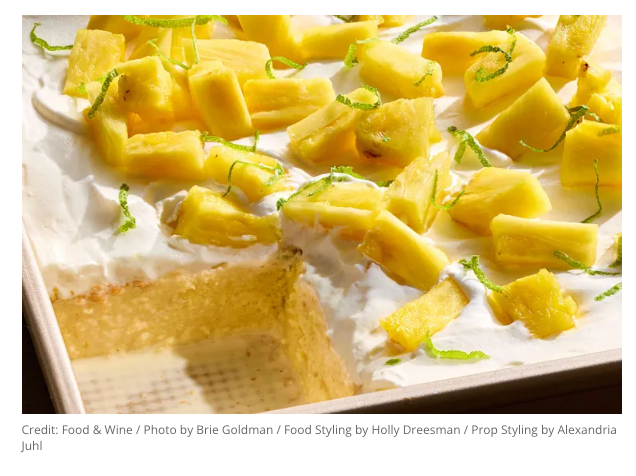
A light, moist take on a classic dessert
Tres leches cake is a classic Latin American dessert known for its signature soak: a baked sponge cake is drenched in a sweet mixture made from three kinds of milk, then served chilled. The goal is a cake that feels lush and moist while still holding its shape. In this version, the traditional three-milks mixture—evaporated milk, sweetened condensed milk, and heavy cream—gets an additional ingredient: dark rum. The rum adds a subtle boozy note without changing the essential character of the dessert.
The method is straightforward: bake an airy sponge, cool it briefly so the structure sets, poke holes across the surface, and then slowly pour on the chilled milk mixture in increments. After an overnight rest in the refrigerator, the liquid fully absorbs into the cake. Done properly, the result is a “perfectly moist (never mushy)” tres leches that remains light and sliceable.
What makes tres leches work (and how to avoid a soggy cake)
It can seem counterintuitive that a sponge cake can absorb more than four cups of liquid and still remain intact. But a properly made tres leches should not be mushy or soggy. It should be moist, of course, but also light, and it should hold its shape on the plate. The technique matters as much as the ingredients.
One of the most important steps is beating the eggs until they are nicely frothy and then continuing until the mixture becomes thick and forms a ribbon when the whisk is lifted. Those air bubbles are crucial: they give the sponge lift and help it stay fluffy even after soaking. Another key detail is timing. After baking, let the cake cool for at least 15 to 30 minutes before poking and soaking. Allowing the cake to cool helps the structure set and firm up so it can better withstand the liquid.
Finally, the overnight refrigeration is not optional if you want the intended texture. Refrigerating overnight allows for total saturation, so the cake won’t leave puddles on the plate when served. This is also why it’s best to make the recipe the day before you plan to serve it.
The milk mixture: classic base with a rum twist
The defining element of tres leches is the soaking “sauce,” traditionally made from three kinds of milk: evaporated milk, sweetened condensed milk, and heavy cream. In this recipe, the mixture is also spiked with a quarter-cup of dark rum. The milk mixture is whisked until smooth, then covered and refrigerated so it’s chilled when it’s poured over the cake.
There are variations on the classic formula. Some recipes use whole milk in place of the heavy cream. Vegan versions may substitute coconut or other plant-based milks, and vegan versions of evaporated and sweetened condensed milks are also available. Regardless of the variation, the technique of gradual soaking and overnight chilling remains central to achieving a moist but structured cake.
Serving ideas and finishing touches
Tres leches is typically frosted with whipped cream, sometimes finished with a dusting of cinnamon. The cake is served chilled, which complements the creamy soak and keeps the texture clean and sliceable. For an additional dessert-style presentation, it can be served with dulce de leche ice cream. Other optional accompaniments include chopped pineapple and finely grated lime zest.
Because the cake needs time to soak, it’s naturally suited to advance preparation. Once assembled and soaked, the cake can be refrigerated for up to two days.
Recipe overview: Tres Leches Cake with Dark Rum
This recipe is built around an airy sponge cake baked in a 9-inch-square pan, then soaked in a chilled mixture of heavy cream, sweetened condensed milk, evaporated milk, and dark rum. The soaking is done slowly, in increments, to encourage even absorption. The cake is then refrigerated overnight before serving.
Ingredients (as provided)
- 1 cup all-purpose flour, plus more for dusting
Step-by-step method
1) Prepare the pan and preheat the oven. Preheat the oven to 350°F. Lightly grease a 9-inch-square baking pan and dust it with flour. This helps the sponge release cleanly and keeps the edges neat.
2) Mix and chill the soaking liquid. In a medium bowl, combine the cream, condensed milk, rum, and 1 1/2 cups of the evaporated milk. Whisk until smooth, then cover and refrigerate. Chilling the mixture keeps the process controlled when you begin soaking the cake.
3) Sift the dry ingredients. In a small bowl, sift the 1 cup of flour with the baking powder. Sifting helps prevent lumps and makes it easier to fold the dry ingredients into the egg mixture without deflating it.
4) Build the sponge batter with air. In the bowl of a stand mixer fitted with the whisk, beat the eggs at medium speed until frothy, about 3 minutes. Add the sugar 1 tablespoon at a time, beating for 30 seconds after each addition. Continue beating until the mixture is thick and forms a ribbon when the whisk is lifted, about 10 minutes. This stage is essential for a light sponge that can absorb the milk mixture without collapsing.
5) Add flour and evaporated milk gently. At low speed, gently add the flour mixture and the remaining 1/2 cup of evaporated milk in 3 alternating batches. Alternating additions helps the batter stay smooth and reduces the risk of overmixing.
6) Bake the cake. Scrape the batter into the prepared pan. Bake for about 30 minutes, until the cake is golden and a tester inserted in the center comes out clean.
7) Cool briefly before soaking. Transfer the cake to a rack to cool for 15 minutes. Letting the cake cool at least 15 to 30 minutes before poking and soaking helps the structure set and firm up, which supports a better final texture.
8) Poke and soak in stages. Using a cake tester or fork, poke holes all over the top of the cake. Slowly pour 1/2 cup of the chilled milk mixture all over the cake and let stand until the liquid is absorbed. Repeat with the remaining milk mixture in 1/2-cup increments. This gradual approach promotes even saturation and helps prevent pooling.
9) Refrigerate overnight. Cover and refrigerate the cake overnight before serving. The overnight rest is what allows for total saturation, ensuring the cake is fully soaked and won’t leave puddles on the plate.
Planning and storage
This is a dessert designed for advance preparation. Make it the day before you intend to serve it so the cake can be refrigerated overnight and fully absorb the milk mixture. After soaking, the cake can be refrigerated for two days.
How to think about texture when serving
The best tres leches is moist but not soggy, tender but not falling apart. If you want a cake that slices cleanly and still feels light, focus on the steps that protect structure: beat the eggs until thick and ribboning, cool the cake before soaking, pour the milk mixture slowly in increments, and give it the full overnight chill. With these details in place, the dessert delivers the hallmark tres leches experience—creamy, sweet, and chilled—while staying pleasantly airy.