
Baked Feta Pasta: A Creamy, Weeknight-Friendly Dish That Still Delivers
A simple baked pasta that earned its reputation
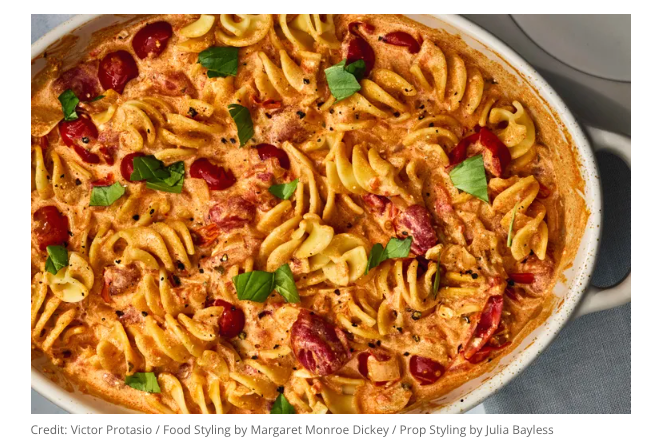
Baked feta pasta became widely known for one main reason: it turns a short list of ingredients into a creamy, savory sauce with very little effort. The method is straightforward—roast cherry tomatoes alongside a block of feta until the tomatoes blister and the cheese softens, then stir everything together and toss with pasta. The oven does most of the work, and the result is a sauce that clings well to noodles and tastes vibrant and satisfying.
The dish traces back to a recipe created by food blogger Jenni Häyrinen, built around an uncomplicated idea: combine a block of sheep-milk feta cheese with a couple of pints of cherry tomatoes and let heat transform them into something richer than the parts alone. That simplicity is also what makes it so dependable for weeknight cooking. With the right pasta shape and a few aromatics, it becomes a complete dinner that feels comforting without being complicated.
Why the oven method works
The defining feature of this recipe is that the sauce essentially makes itself while it bakes. Roasting cherry tomatoes concentrates their sweetness, and as they burst, their juices mingle with garlic, shallots, and oregano. At the same time, the feta softens and becomes easy to mash into the tomatoes, creating a creamy, tangy base. Once stirred together, the mixture becomes a cohesive sauce that can be loosened to the desired consistency with a bit of reserved pasta water.
This approach also makes the timing easy to manage. While the tomatoes and feta bake, you can boil the pasta. When both components are ready, it’s simply a matter of stirring, tossing, and adjusting. The technique is forgiving and designed for home cooks who want a high-payoff meal without a long list of steps.
Flavor profile: savory, tangy, and gently spicy
Even with a handful of ingredients, the flavor has range. The roasted tomatoes bring sweetness and acidity, while feta contributes a salty tang and creamy texture. Shallots and garlic round out the base, and oregano adds an herbaceous note that fits naturally with tomatoes and cheese.
This version also includes harissa sauce, which adds depth and a chile-driven warmth. Harissa is described as a North African chile paste made with roasted red peppers, garlic, and spices. In this dish, it functions as an upgrade that makes the sauce taste bolder and more layered. Crushed red pepper adds another spicy kick, and black pepper finishes the dish with a familiar bite.
Choosing the right pasta shape
Any noodle can work, but short shapes designed to grab onto sauce are especially well suited here. Because the sauce is creamy and studded with softened tomatoes, ridges and spirals help capture it in every bite. Fusilli, penne rigate, and Fusillotti are all strong choices, particularly if you want the sauce to cling and distribute evenly.
The recipe uses a 1-pound package of uncooked short pasta, and the final step relies on reserved cooking water to fine-tune the texture. Adding the starchy water a little at a time helps the sauce coat the pasta rather than sit at the bottom of the bowl.
Ingredient list (as developed)
- 2 medium shallots, roughly chopped (1/2 cup)
- 4 large garlic cloves, thinly sliced (about 1 1/2 tablespoons)
- 1/2 teaspoon black pepper, plus more for garnish
- 1 (8-ounce) block Greek feta cheese in brine, drained
- 1 (1-pound) package uncooked short pasta (such as Fusillotti)
- 5 tablespoons harissa sauce
Additional ingredients referenced in the method include cherry tomatoes, oregano, salt, crushed red pepper, olive oil, and basil for garnish.
Step-by-step method
This recipe is built around two parallel tasks: baking the feta-and-tomato base and boiling the pasta.
- Preheat the oven to 400°F.
- In a 13- x 9-inch baking dish, toss together cherry tomatoes, shallots, garlic, oregano, salt, black pepper, crushed red pepper, and olive oil.
- Place the drained block of feta in the center of the baking dish and drizzle it with olive oil.
- Bake until the tomatoes are blistered and the sauce is bubbling, about 35 minutes.
- Meanwhile, bring a large pot of salted water to a boil. Cook the pasta according to package directions (about 10 to 15 minutes).
- Reserve 1/2 cup of the pasta cooking liquid, then drain the pasta.
- Remove the baking dish from the oven. Mash and stir the feta with the tomatoes and their juices to create a sauce.
- Stir in the pasta and harissa until well combined.
- Add reserved cooking water, 2 tablespoons at a time, until the sauce reaches your preferred consistency.
- Garnish with basil and additional black pepper, then serve immediately.
Easy variations using the same baked base
One reason baked feta pasta remains popular is how adaptable it is. The baked feta-and-tomato mixture can be treated as a flexible sauce that pairs well with other ingredients, especially when you want to change the meal without learning a new technique.
- Swap pasta for beans: Stir in warmed white beans or chickpeas in place of pasta for a different kind of hearty bowl.
- Add greens: Mix in baby spinach just before pulling the dish from the oven. For heartier greens like kale, sauté first to soften the leaves, then combine.
- Include more vegetables: Add diced zucchini along with the tomatoes to create a chunkier, more complex vegetable sauce.
- Serve as a dip: Skip the pasta and serve the warm baked feta and tomato mixture as a dip with slices of buttery garlic bread.
These options keep the core idea intact—roasted tomatoes plus softened feta—while allowing you to adjust the meal to what you have on hand or what you feel like eating.
Harissa: what it is and how to use it beyond pasta
Harissa plays a central role in this version of the dish, and it’s also described as an ingredient with multiple forms and uses. It may be sold as a concentrated paste, a looser ready-to-use sauce (the form called for here), or a dry spice blend. Each format behaves a little differently: paste is noted as packing the most heat, sauce is positioned as ideal for marinades and quick dishes, and the spice mix works well as a rub or seasoning.
Storage is also straightforward. The sauce and paste keep well in the refrigerator, while the dry spice blend can be stored in the pantry. In everyday cooking, harissa can be used to boost flavor in soups and stews, or as a marinade for fish, chicken, lamb, and more. It can also be tossed with carrot or cauliflower florets along with olive oil, salt, and pepper, then roasted until tender.
Serving notes and a suggested pairing
This dish is designed to be served immediately, while the sauce is at its creamiest and most aromatic. A final garnish of basil and black pepper adds freshness and gentle heat at the table.
For a beverage pairing, a lemony Greek white such as Lyrarakis Voila Assyrtiko is suggested. Its bright profile can complement the tang of feta and the sweetness of roasted tomatoes, while standing up to the warmth of harissa and crushed red pepper.
Why it fits weeknight cooking
The appeal of baked feta pasta is not only its flavor but also its structure. The ingredient list is short, the steps are clear, and the oven creates the sauce with minimal attention. While it bakes, you can handle the pasta and prepare any optional add-ins. The final adjustment—adding reserved pasta water a little at a time—makes it easy to control the texture, whether you prefer a thicker coating or a looser, silkier sauce.
For anyone who enjoys the combination of feta and tomatoes, this recipe offers a reliable way to turn those ingredients into a creamy pasta dinner with bold, savory character. The addition of harissa gives it extra dimension, but the core method remains as easy and memorable as the dish’s reputation suggests.