
Easy Chocolate Chip Scones: A Buttery, Biscuit-Like Breakfast Bake
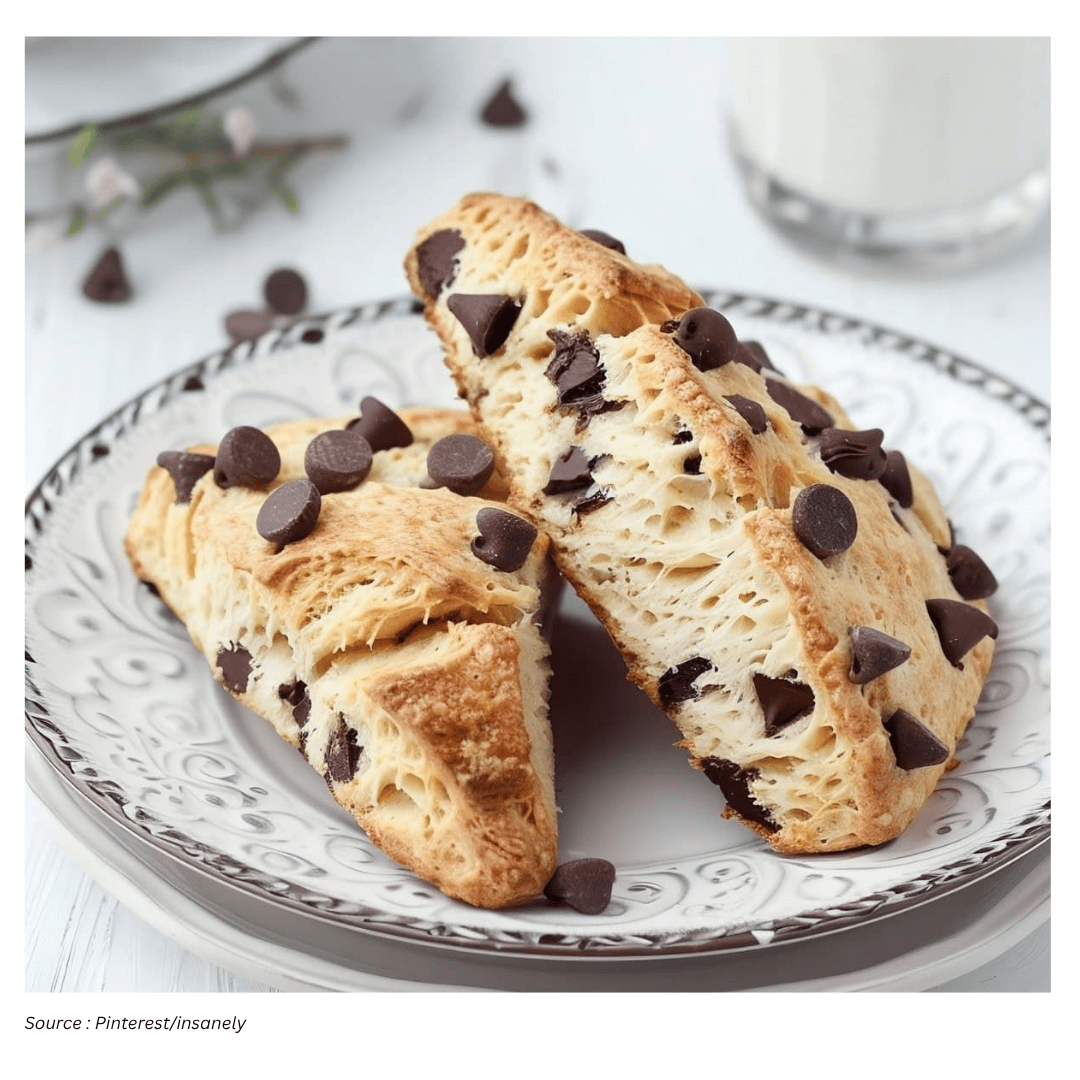
A breakfast bake that feels like a treat
Chocolate chip scones sit in a sweet spot between a classic baked good and an everyday breakfast. They’re often described as the British version of a biscuit—similar in spirit to a flaky biscuit, but with a little sugar and a slightly sweeter profile. The result is something buttery and comforting, with a crumbly edge and tender interior. And if you’ve ever wished chocolate chip cookies could somehow count as breakfast, this style of scone is designed for that moment.
What makes this approach appealing is how approachable it is. You don’t need complicated techniques or long resting times to get a satisfying bake. The process is straightforward: whisk together dry ingredients, mix in buttermilk, shape the dough into a disc, cut it into portions, and bake. The simplicity is part of the charm—because sometimes the simplest recipes really are the ones you come back to.
How scones compare to biscuits (and why this version is different)
Scones and biscuits share a family resemblance. Both rely on cold butter worked into flour to create texture, and both benefit from gentle handling. The key difference often comes down to richness and structure. Traditional scones are commonly made with eggs, which can create a richer mouthfeel. Biscuits typically do not include eggs.
This particular chocolate chip scone style intentionally leaves out the egg. In other words, it’s been “Americanized” to emphasize a light, flaky texture rather than a richer, egg-based crumb. If your ideal scone is one that breaks open into tender layers without feeling heavy, omitting the egg is a deliberate choice.
Why this recipe is considered easy
For many home bakers, scones can feel intimidating—especially if past experiences have involved tough dough or dense results. The method here is designed to remove that stress. You’re essentially doing three main things: combining dry ingredients, adding liquid, and shaping.
There’s no need for elaborate shaping or special equipment beyond basic kitchen tools. The dough is patted into a disc by hand (expect your hands to get a bit messy), then cut into pieces before baking. That’s it. The payoff is a batch of scones with flaky layers that melt in your mouth, punctuated by chocolate chips for extra sweetness.
Buttermilk: what it does, and how to make it if you don’t have any
Buttermilk is a key liquid ingredient in this style of scone. If you don’t have it on hand, you can make a quick substitute at home using a simple method: add 1 tablespoon of vinegar or lemon juice to 1 cup of milk, then let it stand at room temperature for 10 minutes. After that short rest, it’s ready to use.
This quick substitute is especially useful for spur-of-the-moment baking. It means you can decide to make scones in the morning without needing a special grocery run.
Cold butter and gentle mixing: the two habits that matter most
Like many baked goods that aim for flakiness, these scones depend on cold butter. The goal is to break the butter into small crumbs throughout the flour mixture, which helps create layers and a tender bite as the scones bake.
Equally important: don’t overwork the dough. Overmixing can make the final texture tougher and less flaky. Instead of kneading aggressively, use a pastry cutter (or even knives) to cut the cold butter into the dry ingredients. Once the mixture looks like small crumbs, add the buttermilk and bring the dough together with minimal handling.
Use a pastry cutter or knives: This helps keep the butter cold while distributing it into the flour.
Shape by hand, gently: Pat the dough into a disc rather than kneading it like bread.
Aim for “just combined”: Stop mixing once the dough comes together.
Shaping and baking: keep it simple
After mixing, the dough is shaped into a disc and cut to size. This is one of the reasons the recipe feels so manageable: there’s no need to roll the dough thin or fuss with intricate forms. Cutting the disc into triangles (or your preferred shape) is a practical way to portion the scones quickly and consistently.
Because ovens can vary, it’s smart to watch for browning as they bake. One home baker noted pulling their scones out a few minutes early after noticing they were browning, and they still came out perfectly. That kind of adjustment—based on what you see in your own oven—is often the difference between “good” and “exactly right for your kitchen.”
How to tell when scones are done
Visual cues help, but the most direct way to check doneness is to break one open. The interior shouldn’t look doughy or wet. It should be slightly moist, but set. This quick check can be especially helpful if you’re experimenting with different sizes or if your oven runs hot.
Freezing options: before baking or after baking
One practical advantage of these chocolate chip scones is that they can be frozen either before baking or after baking. That flexibility makes them useful for planning ahead—whether you want to prep dough for a future morning or stash away baked scones for later.
Freezing can also help with shape. If your scones tend to spread or lose definition, chilling can improve structure. A short stint in the freezer—about 15 minutes—was specifically mentioned as a helpful step. It’s a small addition to the workflow that can improve the final look.
Troubleshooting: common questions and small fixes
Even “easy” recipes can raise questions once you start baking them in different kitchens. Here are a few issues that came up, along with the adjustments that were suggested.
“My scones didn’t keep a perfect shape.” Try placing the shaped scones in the freezer for about 15 minutes before baking. Some bakers also consider chilling the flour mixture before mixing and chilling again after cutting.
“I’m using whole wheat flour and can’t get the consistency right.” Whole wheat flour absorbs more liquid than all-purpose flour. A small increase—about 1 to 2 tablespoons more buttermilk—can help bring the dough to the right consistency.
“Is whole fat buttermilk wrong?” Whole fat buttermilk is fine.
“Mine turned out soft, more like a muffin.” These scones are typically flakier than a traditional scone. One follow-up question raised was whether the butter had been frozen, underscoring how much cold butter affects texture.
Chocolate chips: how much is “right”?
Chocolate chip preference is personal, and this recipe seems to inspire strong opinions in both directions. Some bakers loved the full chocolate impact, while others felt there were too many chips and planned to reduce the amount next time. A few practical variations emerged:
Use fewer chocolate chips if you want the buttery scone base to stand out more.
Try mini chocolate chips for a more even distribution and less heavy pockets of chocolate.
Chop the chips slightly and use a little less for a more balanced bite.
What’s consistent across these preferences is that the underlying scone texture is widely described as very good—light, not dense, and pleasantly layered—so adjusting the chocolate becomes an easy way to tailor the batch to your household.
Flavor tweaks people actually used
Within the same basic framework, bakers reported making a range of swaps and additions while keeping the overall approach intact. These aren’t presented as new instructions, but as examples of how flexible the base can be when you want variety.
Chocolate choices: Semi-sweet chips were used successfully when dark chocolate wasn’t available. Others strongly preferred dark chocolate chips for flavor.
Vanilla adjustment: One baker used an extra teaspoon of vanilla simply because they had a bit left, and liked the result.
Sugar swap: Brown sugar was substituted by one family that prefers its flavor.
Alternative mix-ins: Some batches were made with frozen blueberries, dried cranberries, and pecans—either using a full cup of one ingredient or splitting the total between two add-ins (for example, cranberries and toasted pecans).
Flour and dairy alternatives: Sifted einkorn/spelt flours were used in place of unbleached flour, and homemade yogurt was used instead of buttermilk, paired with a combination of chocolate chips and roasted pecans.
Serving ideas: coffee, powdered sugar, and more
These scones are frequently framed as a quick breakfast to go with a cup of coffee. That pairing makes sense: the buttery crumb and chocolate chips feel indulgent, while the format is still “breakfast appropriate.”
For a simple finish, one baker sprinkled powdered sugar on top “just like the bakery.” Others mentioned enjoying them as-is, letting the chocolate provide most of the sweetness. Another practical note: texture can change as they cool. One observation was that when still warm, the texture can feel more cake-like, while cooling (even overnight) can yield a bite that’s less crumbly and more structured.
What people liked most about the results
Across multiple bakes and variations, a few themes came up repeatedly in feedback: the scones were described as light, not dense, buttery, and layered. Several people compared them favorably to store-bought or café scones, emphasizing that the homemade texture and flavor stood out.
Even bakers who planned to adjust chocolate levels or experiment with chilling steps still praised the base recipe. That’s often the sign of a dependable bake: it can handle small personal tweaks without falling apart.
A practical takeaway for your next batch
If you want a reliable path to a tender, flaky chocolate chip scone, focus on the fundamentals that came up again and again: keep the butter cold, avoid overworking the dough, and consider a short freeze before baking if you want cleaner shape. From there, you can decide whether you want a chocolate-forward scone packed with chips or a more restrained version that highlights the buttery crumb.
Either way, the appeal is the same: a simple, biscuit-like scone that feels special enough for a weekend breakfast, yet easy enough to make when the craving hits.