
Beef Carbonara: A Hearty Twist on a Classic Creamy Pasta
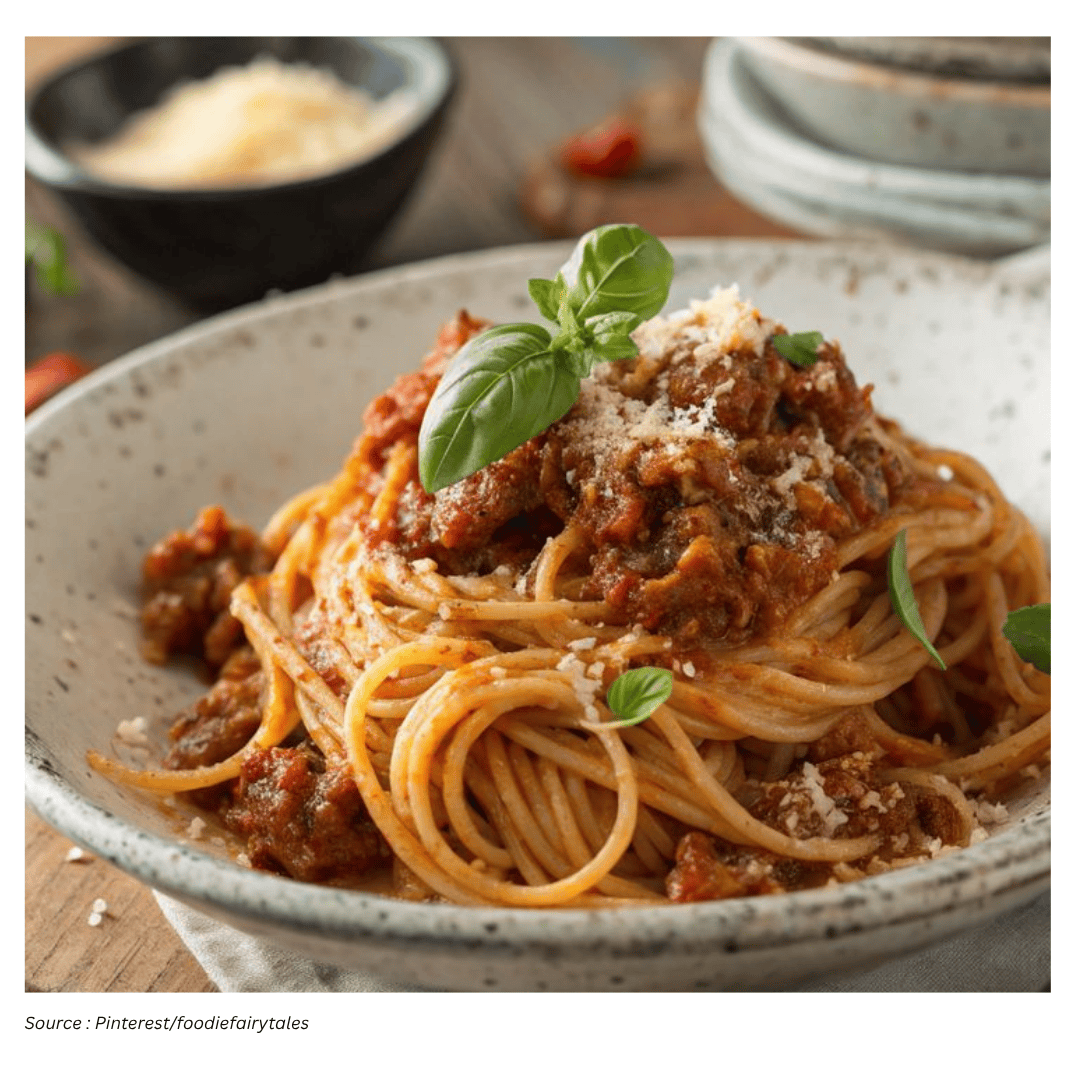
A creamy carbonara—made heartier with ground beef
Carbonara has a reputation for feeling both simple and luxurious: pasta coated in a silky sauce made from eggs and cheese, finished quickly while everything is still hot. This version keeps that comforting core but changes the protein in a practical, crowd-pleasing way. Instead of guanciale, it uses seasoned ground beef cooked with onion and garlic, then folded into the finished pasta.
The result is a creamy, savory beef carbonara that still delivers the classic carbonara experience—rich, glossy noodles and a deeply satisfying bite—while leaning into the hearty, familiar flavor of ground beef. It’s the kind of easy weeknight dinner that feels special without being complicated.
What makes this dish “carbonara” (and what it doesn’t use)
The defining feature of carbonara is the sauce: it’s egg-based and cheese-forward, and it becomes creamy through technique rather than added cream. This matters because it shapes how you cook and serve the dish. The sauce is created when hot pasta meets a smooth mixture of whisked eggs and cheese, loosened with a little reserved pasta water. When done properly, the heat gently thickens the eggs into a silky coating rather than scrambling them.
This beef carbonara follows that same principle. There is no cream involved. The creaminess comes from eggs, cheese, and pasta water—plus quick, confident tossing to bring everything together.
Ingredients and flexible swaps
The full ingredient list is typically presented in a recipe card, but the core components are clear from the method: ground beef, onion, garlic, eggs, cheese, pasta, olive oil, and reserved pasta water. The recipe is also designed to be adaptable, with room to change up ingredients if needed.
Because carbonara is technique-driven, the most important “ingredient” is how you combine the egg mixture with the hot pasta. Even if you adjust seasonings or choose a different pasta shape, the approach stays the same: whisk, temper with pasta water, toss quickly, and serve right away.
Step-by-step method (with timing and key details)
This dish comes together in a few straightforward stages: cook the beef mixture, build the egg-and-cheese sauce base, and then combine everything while the pasta is hot.
- Step 1: In a large skillet, heat olive oil over medium heat. Cook ground beef and onion until browned, about 7–10 minutes, breaking up the beef as it cooks.
- Step 2: Stir in garlic for the last 30 seconds.
- Tip: If there is excess grease from the beef, drain it.
- Step 3: In a bowl, whisk eggs until smooth, then add cheese.
- Step 4: Mix in ¼ cup reserved pasta water.
- Step 5: Toss hot pasta with the egg mixture, adding more pasta water if needed for a creamy consistency.
- Step 6: Fold in the beef mixture and serve immediately.
The sequence matters. You want the beef ready and warm, the pasta hot, and the egg mixture prepared so you can combine everything quickly. Carbonara is at its best when it’s freshly tossed, glossy, and served right away.
The technique that keeps the eggs silky (not scrambled)
The main challenge with carbonara is temperature control. Eggs can turn from creamy to scrambled if they hit too much direct heat or sit too long without movement. The good news is that the method here includes several practical safeguards.
Work quickly when mixing pasta with the egg and cheese mixture to prevent scrambling. Speed isn’t about rushing carelessly—it’s about having everything ready so the pasta doesn’t cool down and the eggs don’t overcook in one spot.
Two additional tips help stack the odds in your favor:
- Start with room-temperature eggs and whisk them until smooth. This helps the eggs blend more evenly and react more predictably to the heat of the pasta.
- Use warm pasta water gradually to create the sauce. Adding it a little at a time helps you control the texture and temperature, building a silky consistency rather than a clumpy one.
There are also two workable ways to combine the components:
- You can toss the eggs with the cooked spaghetti off the heat.
- Or you can add hot pasta to a bowl of beaten eggs.
In both cases, the idea is the same: the pasta’s heat gently thickens the eggs, and the pasta water helps emulsify everything into a creamy sauce. When you get it right, the sauce clings to the noodles in a smooth, glossy layer.
Choosing the right pasta shape
Carbonara is often associated with long noodles, and this beef version benefits from that same approach. Long, thick pasta tends to hold the sauce well and gives you that classic twirl-and-coat effect.
Good options include:
- Spaghetti
- Rigatoni
- Fettuccine
The key is choosing a shape that can carry the sauce and stand up to the hearty beef mixture. If you like exploring variations, carbonara can also be made with other pasta formats, including versions that use gnocchi.
Why reserved pasta water matters
Reserved pasta water isn’t just a backup liquid—it’s integral to the final texture. In this recipe, you mix ¼ cup of reserved pasta water into the egg-and-cheese mixture before tossing with the pasta, and you can add more as needed.
That step does two things at once:
- Adjusts consistency: If the sauce feels too thick, a splash of pasta water loosens it into a creamy coating.
- Supports a silky finish: Adding warm pasta water gradually helps the egg-and-cheese mixture turn into a smooth sauce rather than seizing up.
In practice, it also gives you control. You can stop when the pasta looks glossy and evenly coated, rather than guessing and hoping it turns out.
Serving: why it’s best right away
Like most carbonara, this beef carbonara is best served immediately. The sauce is at its silkiest right after tossing, when the pasta is hot and the egg mixture has just thickened into that signature creamy texture.
If you need to plan ahead, there’s a workable compromise: you can prep the beef and pasta separately and combine them just before serving. That approach helps preserve the texture and keeps the sauce from sitting too long before it hits the table.
Reheating without breaking the sauce
Leftovers can be reheated, but carbonara-style sauces require a gentle touch. Because the sauce is egg-based, high heat can cause it to curdle or scramble.
For best results, reheat slowly and add a little liquid to bring back the creamy consistency:
- Reheat gently over low heat on the stovetop or in the microwave.
- Add a splash of pasta water or milk to keep the sauce creamy.
- Stir frequently and heat slowly to prevent the eggs from scrambling.
The goal is to warm it through rather than cook it again. A small splash of liquid and patient stirring can make the difference between a smooth bowl of pasta and a separated sauce.
What to expect from the flavor and texture
This dish is designed to hit the same comforting notes as classic carbonara—savory, rich, and silky—while adding a hearty twist. The ground beef and onion bring depth and substance, while the garlic added at the end keeps the flavor bright and aromatic without turning bitter. The egg-and-cheese mixture provides the signature carbonara creaminess, and the reserved pasta water helps everything come together into a cohesive sauce.
If you enjoy pasta dishes that are both straightforward and satisfying, beef carbonara fits neatly into that category. It’s the kind of meal that feels indulgent, yet it’s built from a short sequence of steps and a few essential ingredients.
Quick checklist for success
- Brown the beef and onion thoroughly (about 7–10 minutes) for the best savory base.
- Add garlic only in the last 30 seconds so it stays fragrant.
- Drain excess grease if needed to keep the sauce from feeling heavy.
- Whisk eggs until smooth, then add cheese before introducing pasta water.
- Use reserved pasta water a little at a time to control creaminess.
- Toss quickly and avoid direct high heat to prevent scrambled eggs.
- Serve immediately for the glossiest, most luxurious texture.
A weeknight-friendly carbonara that still feels special
Beef carbonara offers a practical way to bring carbonara’s classic comfort to the dinner table with a hearty, familiar protein. It keeps the defining elements intact—egg, cheese, pasta water, and quick tossing—while making the dish approachable for cooks who want something rich and satisfying without relying on cream.
It’s also a reminder that carbonara is less about strict rules and more about technique. When you understand how the sauce comes together, you can confidently build a creamy pasta that feels restaurant-worthy at home—even on a busy night.