
This Week’s Notable Food and Kitchen Recalls: Coffee Pods, Chia Seeds, Chocolate, Tuna, Distilled Water, Cookware, and Super Greens
Why these recall notices matter for everyday cooks
Weekly recall alerts can feel easy to ignore—until you realize the products involved are the kinds of staples many households buy without a second thought. In the past two weeks, multiple common grocery items and kitchen tools have been listed in recall notices from U.S. food and consumer safety authorities, including coffee pods, chia seeds, chocolate bars, canned tuna, distilled water, cookware, and powdered “super greens” products.
Some notices are precautionary, such as voluntary recalls tied to possible contamination. Others involve product mix-ups or materials issues that could affect vulnerable groups. The goal of this roundup is to help you quickly check what you have at home, understand how to identify affected items, and know what steps are recommended if something in your pantry, fridge, or kitchen cabinet matches a recall description.
As always with recalls, the key is specificity. Many brands sell multiple versions of the same product, and recalls often apply only to certain lots, dates, or distribution areas. When you check your items, use the identifying details—best-by dates, lot codes, UPCs, batch numbers, and product names—rather than relying on a quick glance at the front label.
1) McCafé Premium Roast Decaf Coffee K-Cup Pods: possible caffeine mix-up
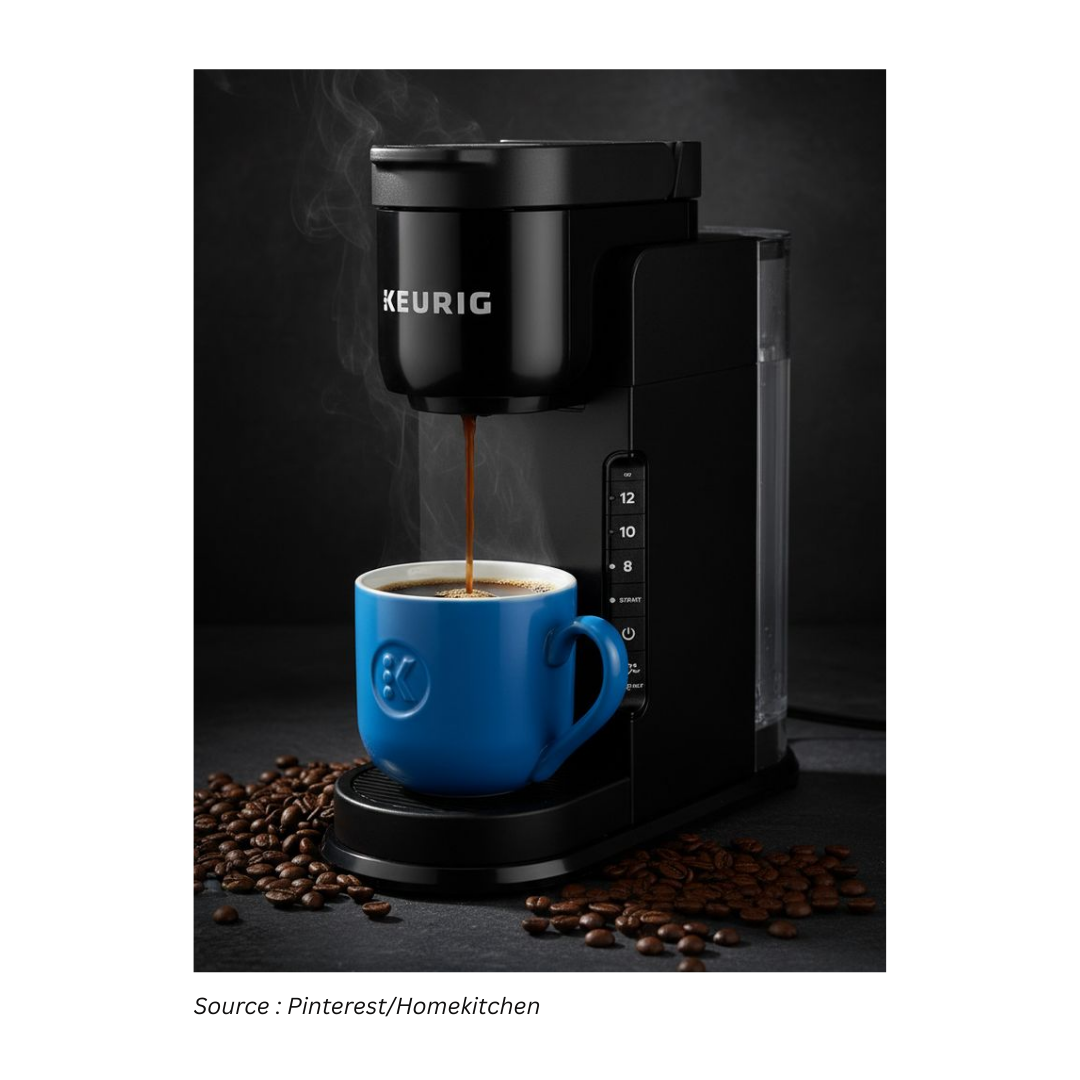
A Class II recall has been announced for more than 80,000 coffee pods sold by Keurig Dr Pepper. The recall involves roughly 960 cartons of McCafé Premium Roast Decaf Coffee K-Cup Pods that may contain full-caffeine coffee instead of decaf.
This matters most for people who intentionally choose decaffeinated coffee for health, medication, pregnancy-related, or personal reasons. If a product is labeled decaf but contains caffeine, it can lead to unintended consumption.
The recalled pods were sold in 84-count cartons at retailers in California, Indiana, and Nevada. These cartons were originally recalled in December, and the notice remains relevant for anyone who purchased and stored the product.
- Product: McCafé Premium Roast Decaf Coffee K-Cup Pods (84-count cartons)
- Where sold: Retailers in California, Indiana, and Nevada
- How to identify: Best-by date “17 NOV 2026 LA hh:mm PL070 5321 or 5322,” batch number 5101564894, material number 5000358463, ASIN B07GCNDL91
If you have this product, compare the printed identifiers carefully. If it matches, treat it as potentially full-caffeine coffee rather than decaf.
2) Navitas Organics Organic Chia Seeds (8 oz): voluntary recall tied to possible salmonella
Navitas Organics is voluntarily recalling select lots of its 8-ounce Organic Chia Seeds due to possible salmonella contamination. The recall is described as a precautionary measure following a recall initiated by the company’s chia seed supplier.
In an update noted by the FDA as of Jan. 26, the company stated it does not have any reports of salmonella in its product at that time, and no illnesses or adverse medical events had been reported or identified. The notice also emphasizes that no other Navitas Organics products are affected by this recall.
The recall applies to 8-ounce packages of Navitas Organics Organic Chia Seeds with UPC 858847000284. These were distributed nationally in retail stores, including Whole Foods Market, and through online retailers, including Amazon.
- Product: Navitas Organics Organic Chia Seeds, 8 oz
- UPC: 858847000284
- Where sold: National distribution in retail (including Whole Foods Market) and online (including Amazon)
- Scope note: Select lots; no other Navitas Organics products are affected
Chia seeds are often used without a cooking step—stirred into yogurt, smoothies, overnight oats, or baked goods—so it’s especially important to check whether your package is part of the affected lots and follow the recall instructions if it is.
3) Meijer Steam Distilled Water (1-gallon): possible “floating black foreign substance”
Distilled water is a common household purchase for everything from baby formula preparation to humidifiers, irons, and certain cooking tasks. A recall has been announced for more than 38,040 gallons of Meijer Steam Distilled Water because the water may be contaminated with a “floating black foreign substance.”
Meijer Inc. originally initiated the recall on Nov. 13, 2025. The recall is described as ongoing, and it has not yet been classified by the FDA to determine severity.
The recalled product is packaged in 1-gallon plastic jugs with a red lid. It was sold at Meijer stores across the Midwest, specifically in Illinois, Indiana, Kentucky, Ohio, Michigan, and Wisconsin.
- Product: Meijer Distilled Water, 1 gallon (red lid)
- UPC: 041250841197
- Best-by date: Oct. 4, 2026
- Lot code: 39-222 #3
- Additional identifiers: Product ID 472859; Meijer Item Code 477910
- Where sold: Meijer stores in IL, IN, KY, OH, MI, WI
If you keep distilled water in storage, check the cap color and the printed codes. Because the issue involves a foreign substance, it’s not the kind of problem you can reliably “screen out” at home.
4) Spring & Mulberry chocolate bars: expanded recall for possible salmonella
Chocolate bars may not be the first product people associate with food safety alerts, but there is an ongoing recall for multiple flavors and lots of Spring & Mulberry chocolate bars due to possible salmonella contamination.
The recall began with an initial notice on Jan. 12, 2026, which included only one lot of one flavor. It was then updated and expanded on Jan. 16, 2026, to include seven more flavors of the brand’s chocolate bars.
Because the recall has expanded, it’s worth re-checking even if you previously confirmed your chocolate was not included. The affected products are identified by flavor and lot number.
- Product: Spring & Mulberry chocolate bars
- Issue: Possible salmonella contamination
- Recall timeline: Initiated Jan. 12, 2026; expanded Jan. 16, 2026 to include additional flavors
- How to identify: Flavor and lot number
If you have any chocolate bars from this brand, the most reliable approach is to match the lot number on your packaging to the recalled list referenced in the notice. Don’t assume a different flavor is unaffected, since the recall has already broadened once.
5) Canned tuna tied to a prior recall: distribution warning linked to botulism risk
Pantry tuna is a staple for quick lunches, casseroles, and salads. A warning issued Jan. 19, 2026, states that Tri-Union Seafoods is alerting consumers that a third-party distributor inadvertently distributed canned tuna associated with a February 2025 recall.
The tuna was previously recalled due to a potential risk for contamination with Clostridium botulinum, which can cause botulism. Botulism is described as a form of food poisoning that is potentially fatal.
Identification details for the recalled tuna—such as retailers and lot numbers—are part of the recall information referenced in the notice. Because canned goods can sit in cupboards for long periods, this is a reminder to check older purchases, not only recent ones.
- Product: Canned tuna associated with a prior recall
- Company notice: Tri-Union Seafoods warning about inadvertent distribution by a third-party distributor
- Original recall period: February 2025
- Risk described: Potential Clostridium botulinum contamination; botulism can be potentially fatal
- How to identify: Retailers and lot numbers as listed in the recall information
If you have canned tuna at home and you’re not sure when you bought it, take a moment to locate the lot information and compare it to the recall identifiers. With shelf-stable foods, time in the pantry can make it easier to lose track of what’s what.
6) IKM cookware recall: four items reported to contain significant levels of lead
Food safety is not only about ingredients; it can also involve the tools used to cook and serve food. A recall announced Jan. 23, 2026, states that IKM has issued a recall of four cookware items that contain significant levels of lead, which can leach into food.
The notice explains that consuming high levels of lead can lead to an elevated presence of lead in your blood and can cause serious health problems or lead poisoning, especially in children and babies.
The four recalled items are: A-cook Aluminum Kadai size 5, Brass Tope, IKM 4-quart Pital brass pot, and IKM 9-inch Aluminum saucepan wooden handle. These items were distributed in California to grocery stores mainly in specific cities: Sunnyvale, Santa Clara, Fremont, Hayward, Pittsburg, Milpitas, Tracy, Manteca, Dublin, El Cerrito, Richmond, Hercules, San Jose, Fresno, Pleasanton, Roseville, and Sacramento.
- Products: A-cook Aluminum Kadai size 5; Brass Tope; IKM 4-quart Pital brass pot; IKM 9-inch Aluminum saucepan wooden handle
- Issue: Significant levels of lead that can leach into food
- Where distributed: California, mainly in listed cities
- Recommended action: Stop using immediately; return to the place of purchase for a full refund
If you recognize any of these items in your kitchen, the recall guidance is clear: stop using them immediately and return them to where you bought them for a full refund. Because the concern is leaching into food, continued use is not advised.
7) Live it Up Super Greens: recall for possible salmonella contamination
Powdered greens products are often mixed into water or smoothies, and some consumers use them daily. Superfoods Inc. DBA is recalling all Live it Up Super Greens, including both Original and Wild Berry flavors, with lots beginning with the letter “A,” as well as all stick pack products, due to possible contamination with salmonella. Salmonella is described in the notice as capable of causing serious and sometimes fatal infections.
The recalled product was sold nationwide in the United States, including Puerto Rico, Guam, and the Virgin Islands, and in the United Kingdom via the company’s direct-to-consumer website since September 2024. It was also sold on Amazon.com since July 30, 2025. The company warns that unauthorized third-party distribution to consumers may also occur through eBay.com, Walmart.com, or other sites.
- Product: Live it Up Super Greens (Original and Wild Berry)
- Lots affected: Lots beginning with “A”
- Also included: All stick pack products
- Issue: Possible salmonella contamination
- Where sold: Nationwide U.S. (including Puerto Rico, Guam, U.S. Virgin Islands) and the U.K. via direct-to-consumer website since Sept. 2024; Amazon.com since July 30, 2025
- Additional distribution warning: Possible unauthorized third-party distribution via eBay.com, Walmart.com, or other sites
- Recommended action: Dispose of immediately; do not eat, sell, or serve
If you purchased this product, the recall instructions ask customers to dispose of it immediately and not to eat, sell, or serve it. Because online marketplaces can involve multiple sellers, it’s also worth checking products received as gifts or purchased through third parties.
A practical home checklist: how to respond if you find a recalled item
Recalls can be stressful, but the response is usually straightforward: identify the product precisely, then follow the recommended action. Based on the guidance included in these notices, here are sensible next steps to take at home.
- Check identifiers, not just brand names: Use UPCs, lot codes, batch numbers, best-by dates, and product names to confirm whether your item is affected.
- Separate the item right away: If something appears to match a recall description, move it out of the kitchen workflow so it isn’t used accidentally.
- Follow the specific instruction given: Some products are meant to be disposed of immediately (such as the recalled super greens). Some items may be returned for a refund (such as the recalled cookware).
- Re-check items you bought earlier: Shelf-stable foods like canned tuna and long-dated products like coffee pods may remain in homes long after purchase.
- Be extra cautious with products typically consumed without cooking: Items like chia seeds, chocolate bars, and powdered drink mixes may be eaten as-is, which is why lot-level checks matter.
Finally, if you shop for a household with children, older adults, or anyone with heightened sensitivity to contaminants or heavy metals, it’s worth making recall checks a routine—especially for pantry staples and frequently used kitchen tools.