
Mardi Gras Party Foods: A Practical Guide to Cajun- and Creole-Inspired Cooking at Home
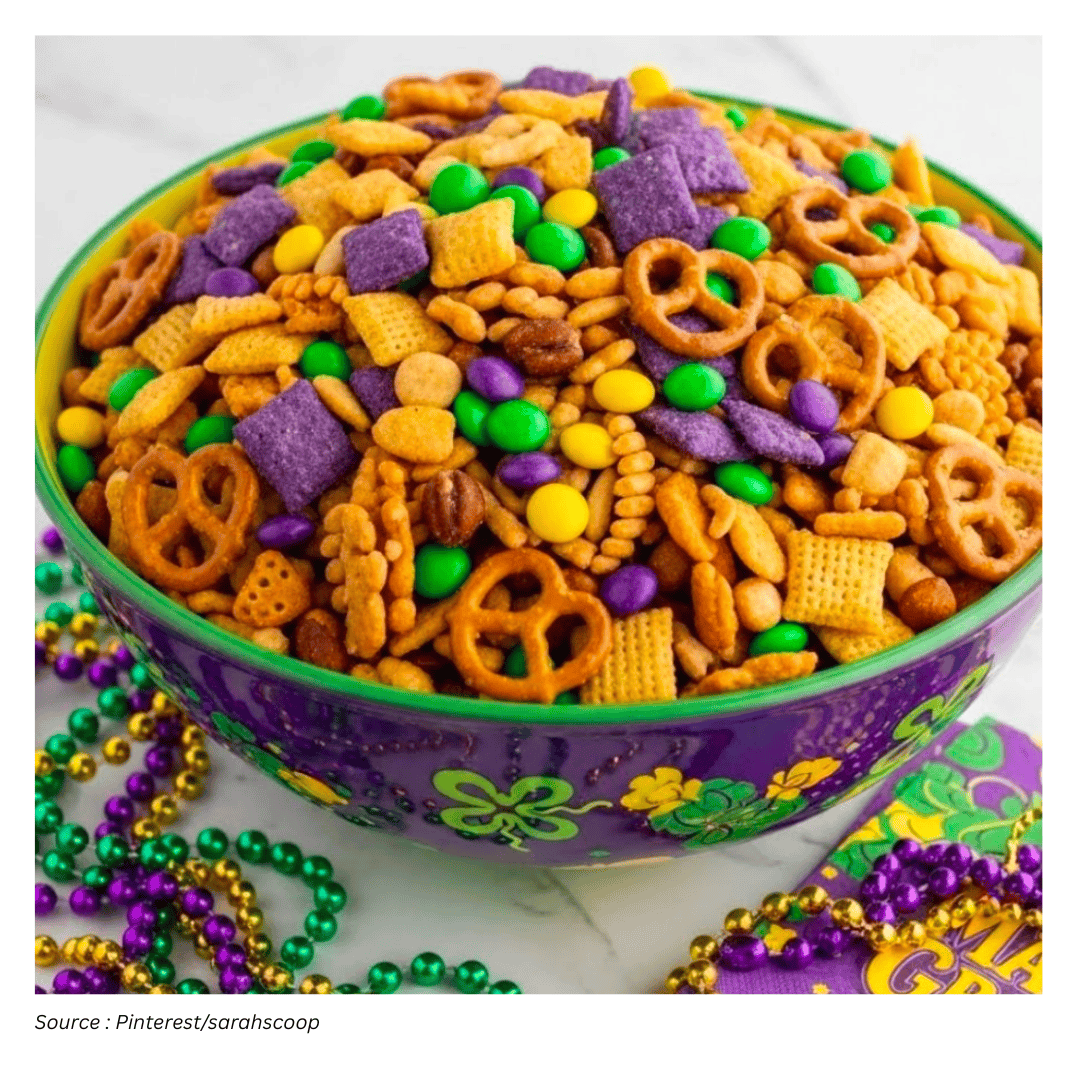
A holiday built for a table full of food
Mardi Gras is all about excess—the last day of Carnival season, just before Lent, when the point is to celebrate indulgence. In New Orleans, that celebration is famously public: parades, elaborate costumes, and a citywide energy that feels inseparable from what’s coming out of kitchens and onto plates. If you’re hosting at home, the good news is that you don’t need a parade route to do Fat Tuesday proud. You need a menu that leans into abundance, bold seasoning, and a mix of comforting staples and playful party bites.
A classic Mardi Gras spread can move easily between snackable appetizers, hearty mains, and desserts that look as festive as they taste. The most helpful way to plan is to think in categories: something fried and shareable, something slow-simmered and spoonable, something starchy and satisfying, and at least one dessert that signals “Carnival season” the moment it hits the table. The dishes below do exactly that, drawing on Cajun and Creole flavors and New Orleans icons—sometimes in traditional form, sometimes as modern twists designed for home cooks.
Why New Orleans flavors feel so layered
One of the most striking things about traditional New Orleans food is how it reflects influences from cuisines around the world—French, Caribbean, Italian, and West African, among others. Those threads show up in the flavors many people associate with modern Cajun and Creole cooking: aromatic vegetable bases, rich sauces built from roux, and seasonings that make even familiar ingredients taste new.
If you’re new to this style of cooking, it helps to know you have options. You can go fully traditional with dishes like gumbo or étouffée, or you can start with recipes that are simply inspired by Cajun and Creole flavors. That “inspired” route is often the easiest on a busy hosting day: you take something you already understand—pasta, sliders, skillet dinners—and layer in the seasonings, aromatics, and add-ins that give it Louisiana character.
An easy way to build a Mardi Gras menu
For a party, balance matters. A menu feels generous when it offers variety in texture and format: dips alongside handheld sandwiches, fried bites next to something saucy, and at least one dish that can sit warm while people graze. Here’s a simple structure that fits the spirit of Mardi Gras and works well for groups:
One signature appetizer that’s immediately recognizable (or at least immediately craveable).
One hearty main that anchors the table—something like gumbo, red beans and rice, or a pasta with Cajun seasoning.
One sandwich option for handheld eating, such as a po’ boy-inspired dish or a muffuletta-style bite.
One dessert that reads “Carnival,” like king cake-inspired treats or beignets dusted in sugar.
Once you pick those pillars, everything else becomes flexible: add a side, add another snack, or double down on one category if your crowd loves it.
Appetizers and party bites with New Orleans energy
If you want to set the tone early, start with appetizers that carry Cajun or Creole seasoning and a little richness—foods that make people reach for a second bite before they’ve even finished the first.
Shrimp po’ boy burger. A po’ boy is one of New Orleans’ most infamous sandwiches, and this burger-style twist is built for parties. Instead of a traditional sandwich build, it pairs cornmeal-crusted shrimp burgers with a tangy homemade remoulade sauce. The combination of juicy shrimp and Creole seasoning is the point: familiar seafood, but with the kind of boldness that feels unmistakably Mardi Gras.
Cajun crab cake sliders. Crab cakes are already party-friendly; making them into sliders turns them into a one-hand snack. This version gets a Cajun kick from sautéed trinity vegetables, Cajun seasoning, and lemon pepper seasoning. After a quick pan-fry, the crab cake is stacked on a slider bun with remoulade sauce, tomato, and crisp lettuce. It’s a small format that still tastes like a full dish.
Cheesy shrimp & grits bites. Shrimp and grits is a Southern staple for a reason, and the bite-size approach makes it easier to serve to a crowd. In this version, smoked gouda grits are breaded and fried until golden and crispy, then topped with saucy Cajun-spiced shrimp and fresh scallions. The contrast—crisp outside, creamy inside, saucy on top—makes it feel special without being fussy.
Muffuletta dip. The muffuletta sandwich is big, briny, and proud, filled with multiple cured meats and a mix of olives and other brined ingredients. Turning that flavor profile into a dip makes it scoopable and social. If you’re feeding a group, a dip also solves a practical problem: it keeps the essence of the sandwich without requiring everyone to manage a giant stacked wedge of bread.
Mains that lean into comfort and tradition
Mardi Gras food is celebratory, but it’s also deeply comforting. The most iconic mains tend to be saucy, stew-like, or built on a rich base of aromatics. They’re the kind of dishes that make a kitchen smell like something serious is happening.
Gumbo with shrimp and sausage. Gumbo is often described as a true melting-pot dish of New Orleans, and it earns that reputation with every spoonful. This hearty stew is centered around a flavorful roux and the “holy trinity” of Southern cooking: onions, celery, and bell peppers. With shrimp, sausage, and signature seasoning, it’s the kind of main that can anchor an entire party menu—especially if you want something that feels classic and substantial.
Étouffée-inspired crawfish dish. The word étouffée is French for “smothered,” which fits the technique: seafood and vegetables covered in a savory gravy built from butter and flour (a roux). In this spin, crawfish and vegetables are completely covered in that brothy, rich sauce. The serving advice is straightforward and practical: spoon it over white rice so nothing goes to waste, especially the gravy.
Shrimp Creole-style, tomato-based and aromatic. Similar to shrimp étouffée but with a tomato-based sauce, this dish is built on aromatic onion, green bell pepper, and celery—the same trinity that shows up across the region’s cooking. It’s saucy, fragrant, and designed to evoke the feeling of New Orleans streets lined with balconies, even if you’re eating at your own kitchen table.
Louisiana-style red beans & rice. In Creole cooking, red beans and rice stands out for its depth. The beans soak up smoky, porky, spicy, and earthy flavors, and they release starch that helps create a rich gravy. Served over steamed white rice, it’s simple in structure but big in payoff—ideal when you want a hearty dish that can hold warm and serve easily.
Pastas and skillets for a modern Mardi Gras spread
Not every party menu needs to be strictly traditional to feel authentic in spirit. Cajun and Creole flavors adapt well to weeknight-friendly formats—pasta bakes, stuffed shells, and skillet dinners—especially when the seasoning and aromatics are doing the heavy lifting.
Creamy Cajun stuffed shells. Inspired by stuffed shells but built around a savory Cajun cream sauce, this dish fills shells with andouille sausage and Cajun-seasoned chicken. It’s rich, filling, and easy to portion—helpful when you’re serving a crowd and want something that feels indulgent without requiring last-minute assembly.
Creamy Cajun shrimp pasta. This pasta gets richness from heavy cream and Parmesan, but it’s the aromatics—described as a sofrito-type blend—and Cajun seasoning that push it beyond a standard Alfredo-style comfort dish. It’s a smart choice for hosts who want a familiar format with a more distinctive flavor profile.
Smoked sausage Cajun Alfredo. If you love the comfort of fettuccine Alfredo, this version expands on it with punchy spices and andouille sausage commonly found in Cajun cuisine. It’s positioned as a natural next step for people who already enjoy dishes like gumbo and jambalaya and want those flavors in a creamy pasta form.
Cajun-spiced chicken & gnocchi skillet. Skillet dinners are a hosting secret weapon: warm, cohesive, and easy to serve. This chicken and pasta skillet is described as craveable and designed to bring the flavors associated with New Orleans into your kitchen in time for Mardi Gras. If you want a main that feels festive but manageable, this format does the job.
Seafood and sides that round out the table
A good Mardi Gras menu benefits from dishes that can play supporting roles—something you can place alongside a stew or pasta, or serve as a lighter counterpoint to rich sauces.
Slow cooker shrimp boil variation. A shrimp boil is a classic communal-style meal, and this variation is built for convenience. Baby potatoes, sweet corn, spicy sausage, lemons, and shrimp are tossed with plenty of Old Bay seasoning, added to the slow cooker with flavorful broth, and left to cook while you handle everything else. For hosts, that “let the machine do the work” approach can be the difference between a relaxed party and a stressful one.
Shrimp & tomato succotash skillet. This amped-up succotash features blistered tomatoes and charred corn tossed with onion, bell peppers, lima beans, and seared Cajun-spiced shrimp, then finished with torn basil. It’s colorful and skillet-friendly, and it adds a vegetable-forward option that still feels celebratory.
Extra-crispy fried catfish. For a seafood centerpiece with crunch, this catfish approach emphasizes a “top secret” technique: a buttermilk and hot sauce marinade. The result is described as extra-flavorful and slightly spicy, and once coated and fried, it yields crispy fillets meant to rival restaurant versions. It’s a strong option when you want something that feels like a treat.
Shrimp and grits (classic comfort version). Beyond the bite-size appetizer approach, shrimp and grits also earns its place as a full comfort-food dish—especially around Mardi Gras. This version is extra-creamy due to generous cheese and butter, and it’s taken further with the addition of crispy bacon. It’s rich, familiar, and well-suited to a holiday that celebrates indulgence.
Desserts that look like Carnival
Mardi Gras desserts often carry visual cues as much as flavor cues. The goal is to make the table feel festive—something that reads as a celebration even before anyone takes a bite.
King cake traditions and the baby inside. King cakes are one of the best-known parts of Carnival season. Traditionally, they’re sweet pastries shaped into a ring (like a crown), topped with icing and colored sprinkles: gold for power, green for faith, and purple for justice. A toy baby is hidden inside, and whoever finds it in their slice is “king” for the year—and, according to the tradition described, is responsible for bringing the cake next Mardi Gras. It’s part dessert, part party game, and it’s a tradition that naturally draws people into the moment.
King cake cheesecake bars. If you want the king cake look with a different texture, these bars combine rich, creamy cheesecake with sweet cinnamon roll dough, finished with festive purple, green, and gold sugar. For hosts, bars are also practical: they portion cleanly and travel well from kitchen to table.
New Orleans-style beignets. For many people, beignets are the taste-memory of New Orleans: pillowy deep-fried doughnuts, liberally dusted with confectioners’ sugar. Served warm, they’re dramatic in the simplest way—powdered sugar on fingers, plates, and maybe the countertop if the party is going well. They’re also a direct way to bring the feeling of a New Orleans café experience into your own home.
A brief note on the muffuletta’s origin story
Some dishes come with a built-in conversation starter. The muffuletta, for example, has a specific origin story tied to an Italian deli in Louisiana founded by Sicilian immigrant Salvatore Lupo in 1906. Sicilian farmers would stop by for lunch and juggle plates of olives, salumi, and cheese. To make it easier to eat, Lupo put the ingredients between two pieces of bread, and the muffuletta was born. Whether you serve it as a sandwich or translate it into a dip, the appeal is the same: briny, cured, and designed for people who like big flavor.
Putting it all together: a sample party lineup
If you want a menu that feels complete without being overwhelming, choose a mix that covers a few formats—dip, fried bite, hearty main, and dessert. Here’s one balanced approach using the dishes described above:
Start: Muffuletta dip with plenty of scoopable options.
Handheld: Cajun crab cake sliders or a shrimp po’ boy burger platter.
Main pot: Gumbo with shrimp and sausage, or red beans and rice for a classic comfort anchor.
Extra: Slow cooker shrimp boil variation for a communal, low-effort centerpiece.
Dessert: King cake cheesecake bars, plus beignets if you want a warm, made-to-order finish.
However you mix and match, the guiding idea is the same: Mardi Gras food should feel generous, seasoned, and joyful. Whether you go traditional with roux-based stews and rice, or modern with Cajun cream sauces and skillet dinners, the result can still capture the spirit of Carnival—one indulgent plate at a time.