
Keurig coffee pod recall highlights decaf labeling risks for caffeine-sensitive drinkers
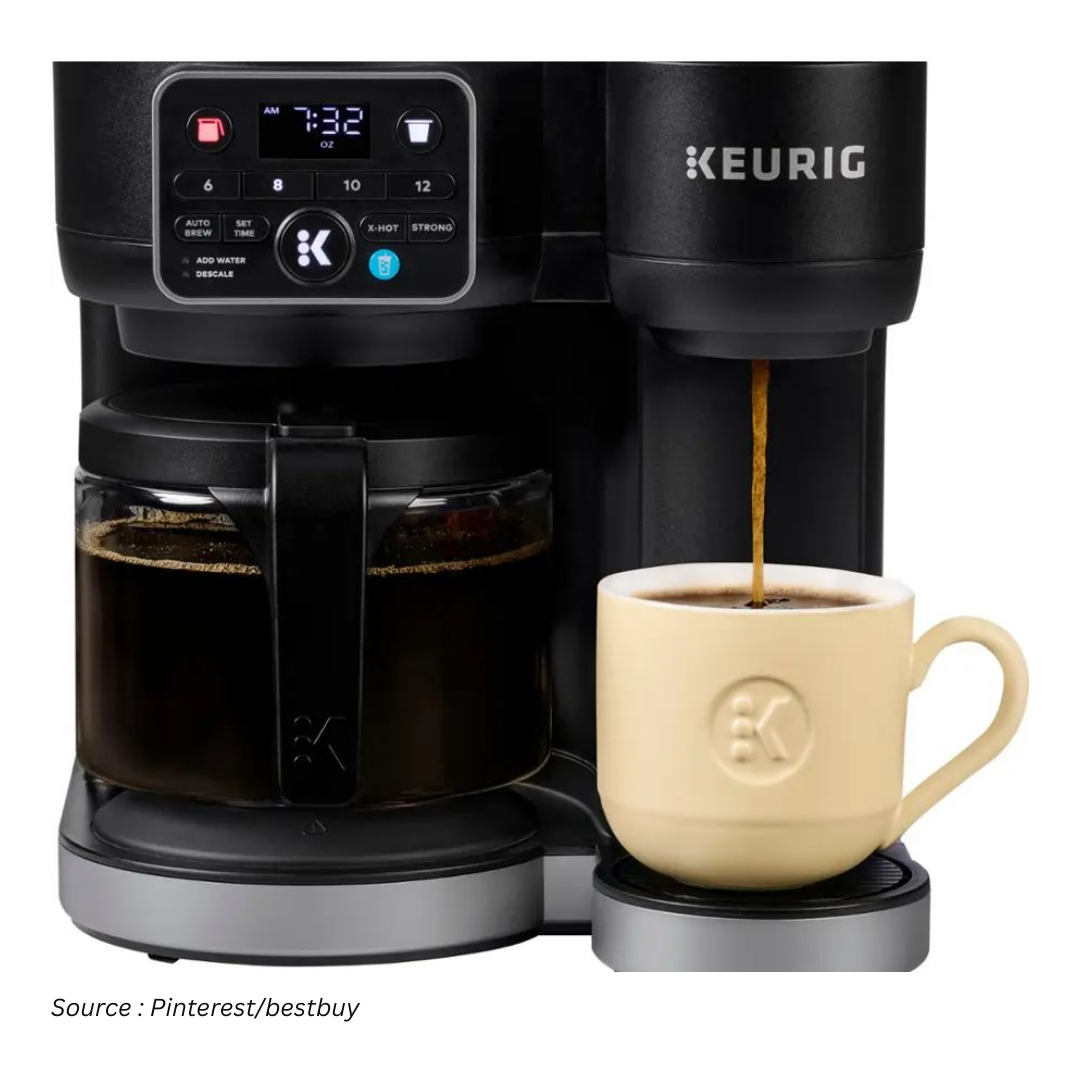
A recall that centers on a simple but consequential label
Coffee drinkers who rely on decaf for health or personal reasons may want to take a closer look at what is in their kitchen cabinets. More than 80,000 coffee pods have been recalled after a labeling error raised the possibility that a product sold as decaffeinated could, in fact, contain caffeine.
The voluntary recall involves McCafé Premium Roast Decaf Coffee K-Cup Pods produced by Keurig Dr Pepper. The issue is not a contamination concern but a mismatch between what the packaging says and what the pods may contain. For many consumers, that distinction matters: while the company has said the product is safe to drink, the potential presence of caffeine can be a meaningful health consideration for people who are sensitive to it.
What happened and why the recall was elevated
Keurig Dr Pepper initiated a voluntary recall last month for a limited number of its McCafé Premium Roast Decaf Coffee K-Cup Pods due to a labeling error. Although the boxes are labeled “decaf,” the pods may contain caffeine.
The U.S. Food and Drug Administration later elevated the recall to a Class II risk classification. A Class II designation generally indicates that use of, or exposure to, the product may cause temporary or medically reversible adverse health consequences, or that the probability of serious adverse health consequences is remote. In this case, the risk is tied to unintended caffeine consumption, particularly among those who need to avoid it.
Who is most affected by unintended caffeine
The product has been described as safe to drink, but the recall underscores how caffeine can be more than a preference issue. People with caffeine sensitivity may experience side effects if they consume caffeinated coffee unknowingly.
The FDA has advised that 400 milligrams per day of caffeine—about two to three 12-fluid-ounce cups of coffee—is considered a safe amount for most adults without negative effects. That guidance, however, is general and does not eliminate the need for accurate labeling for consumers who intentionally choose decaffeinated products.
Where the affected pods were distributed
According to the recall information, 960 cartons of the affected coffee pods were distributed in three U.S. states:
- California
- Indiana
- Nevada
Each carton contains 84 individual coffee pods. While the distribution footprint is limited to those states, products can travel beyond their initial retail destinations, especially when purchased online or shared among households, making it worthwhile for consumers elsewhere to verify what they have.
How to identify the recalled McCafé decaf-labeled K-Cup pods
Consumers can identify the recalled product using details printed on the packaging. The affected 84-count boxes can be identified by the following information:
- “Best-buy” date: November 17, 2026
- Batch number: 5101564894
- Material number: 5000358463
- ASIN: B07GCNDL91
These identifiers are especially useful for households that keep multiple varieties of pods on hand, or for anyone who buys in bulk and stores coffee supplies for long periods.
What consumers are being told to do
It is not known whether the company has received complaints related to the labeling error. Even so, the recall notice provides clear guidance for customers who may have the affected product.
Consumers are encouraged to do one of the following:
- Discard the recalled pods, or
- Return them to the place of purchase in exchange for a refund or replacement
For people who specifically avoid caffeine, the safest approach is to treat the affected product as potentially caffeinated and follow the recall instructions rather than relying on the “decaf” label.
Sales channel and company response
In a statement, a spokesperson for Keurig Dr Pepper said the recall applied to a limited number of 84-count boxes sold exclusively through Amazon. The spokesperson added that consumers who purchased the product were notified directly in mid-December and that the product was removed from sale at that time.
The company also said it was cooperating with the FDA and emphasized its commitment to safety and quality standards in the products it produces and distributes.
Why decaf labeling matters in everyday kitchens
Decaf coffee is often purchased with a specific purpose in mind: to reduce stimulant intake, to avoid sleep disruption, or to accommodate personal sensitivity. A labeling mistake can therefore have outsized consequences compared with other routine packaging errors, because it changes the fundamental expectation of what is being consumed.
In practical terms, decaf labeling is part of how consumers manage their daily routines. Many people drink coffee at set times, including late afternoon or evening, specifically choosing decaf to avoid caffeine. Others may alternate between regular and decaf throughout the day. When a pod labeled “decaf” may contain caffeine, that routine can be disrupted in ways that are difficult to anticipate.
A similar recall involving another brand
The Keurig Dr Pepper recall is not the only recent example of a decaf labeling issue involving coffee pods. Another company, Gimme Coffee, Inc., announced in October that it was voluntarily recalling its Gimme! Decaf de Agua Coffee Pods after it was discovered that the pods contained caffeine. That recall was also later elevated to Class II.
As of October 24, the company had not received complaints from customers regarding the mix-up, according to the recall information.
How to identify the recalled Gimme! decaf coffee pods
The recall for Gimme! Decaf de Agua Coffee Pods involves 252 affected boxes. Consumers can identify the recalled product using the following details:
- UPC: 051497457990
- Outer packaging best-by date: October 15, 2025
- Inner packaging best-by date: September 30
The recalled boxes contain 10 coffee pods and were distributed to multiple states.
States where the recalled 10-count boxes were distributed
The affected 10-count boxes of Gimme! Decaf de Agua Coffee Pods were distributed to the following states:
- Florida
- Iowa
- Massachusetts
- Maryland
- Missouri
- North Carolina
- New Jersey
- New York
- Ohio
- Wisconsin
What to do if you have the recalled Gimme! product
Consumers who have the recalled coffee pods are advised to either contact the company for a return or replacement, or return the coffee pods to the place of purchase.
Questions can be directed to Gimme! Coffee using the phone number (607) 273-0111 or the email address [email protected].
Practical checklist for consumers checking their coffee supplies
For households that use single-serve coffee systems, identifying a recalled product can be straightforward if you know what to look for. The key is to focus on the specific identifiers listed in the recall notices rather than relying on general product names.
- Locate the box the pods came in, if available, and check the “best-by” date and batch or UPC information.
- Match the identifiers to the recall details, including batch numbers, material numbers, and other product codes where provided.
- Separate any affected boxes from other coffee supplies to avoid accidental use, especially in households where multiple people make coffee.
- Follow the return or disposal instructions provided in the recall guidance.
What these recalls signal about consumer expectations
Both recalls share a common theme: a product marketed as decaffeinated may contain caffeine due to a labeling error. While the recalls do not suggest that drinking the coffee is inherently unsafe for most people, they highlight the importance of accurate labeling for consumers who make purchasing decisions based on caffeine content.
For coffee drinkers, the takeaway is not to avoid pods altogether but to recognize that recalls can involve everyday pantry items, including products used daily. Checking identifying codes—such as best-by dates, batch numbers, UPCs, and other product identifiers—can be the most reliable way to confirm whether a product in your home is part of a recall.
Consumers who are concerned, particularly those with caffeine sensitivity, may want to prioritize verifying any decaf-labeled pods that match the recall identifiers and take advantage of refund or replacement options where offered.