
Easy Sushi Rolls at Home: A Flexible, No-Frills Guide to Maki
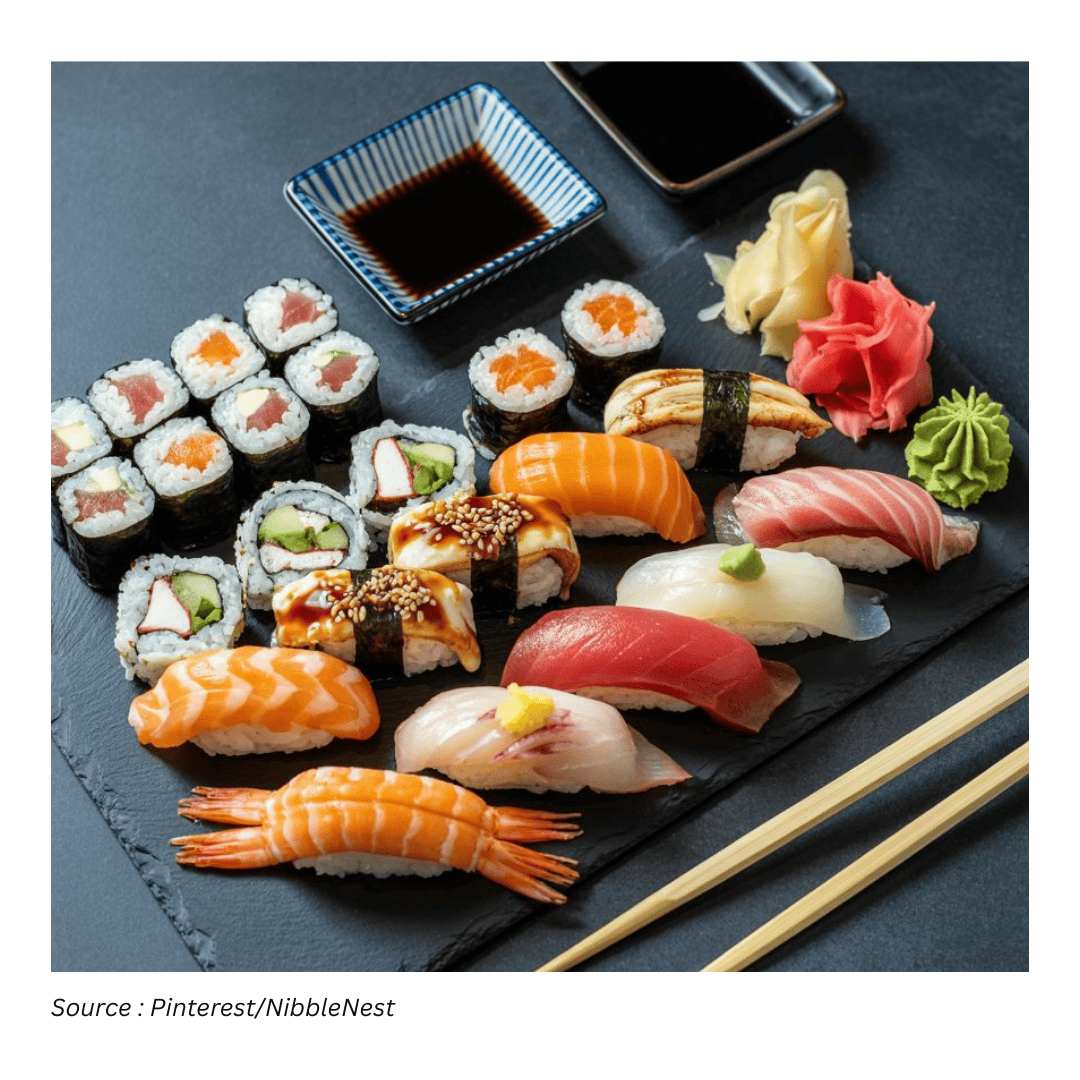
Homemade sushi rolls can be easier than you think
Sushi can feel like one of those foods that “belongs” in restaurants—carefully crafted, perfectly sliced, and made with specialized tools. But making sushi rolls (maki rolls) at home is often far more approachable than people expect. The process is straightforward, the ingredient list can be kept minimal, and the biggest advantage is one you can’t always get when ordering out: complete control over what goes into every bite.
Homemade maki rolls are also a practical way to satisfy a sushi craving when restaurants aren’t an option. With a simple routine, it’s possible to make a big batch in about 30 minutes once you get into the rhythm. The first time may take longer because of prep, but the steps themselves are not complicated—just a series of small tasks that add up to a tray of fresh rolls.
The best part: you choose the fillings and toppings
One of the joys of rolling sushi at home is the flexibility. The fillings and toppings are entirely up to you, which means you can keep things classic, go simple, or mix and match based on what you already have. Some people prefer a “super no-frills” approach—just a few basic fillings and a drizzle of spicy mayo—while others enjoy turning it into a bigger kitchen project with more components.
This freedom is also what makes homemade sushi feel less intimidating. You don’t have to aim for perfect, restaurant-style authenticity for it to be delicious. A homemade roll that’s slightly less tight or a little uneven can still taste fantastic, especially when the ingredients are chosen to your liking.
What you need to buy (and where to find it)
Aside from produce and fish, most of the staple ingredients for basic maki rolls are commonly found in the Southeast Asian section of many grocery stores. If your local store doesn’t carry what you need, these items are also easy to order online. And if you plan to make sushi fairly often—or you’re preparing a large batch—buying certain staples in bulk can help reduce costs over time.
Common pantry-style sushi essentials that are often available in stores or online include:
- Rice
- Nori (seaweed sheets)
- Soy sauce
- Pickled ginger
- Wasabi paste
Once those basics are covered, the rest of your shopping list can be tailored to your preferred fillings and toppings. The overall approach is intentionally flexible: choose ingredients you love, keep it simple if you want, and expand later if sushi-making becomes a regular habit.
Minimal equipment: you can start with what you already have
A common misconception is that sushi requires specialized tools. In reality, you can make maki rolls with very basic kitchen equipment. For a long time, some home cooks roll sushi without a mat—simply using their hands. It works, and it’s a good way to start if you’re not sure you want to invest in extra gear. The main tradeoff is that the rolls may not be as tight as those made with a mat, but they can still be satisfying and tasty.
At minimum, a simple setup can include:
- A cutting board
- A sharp knife
- A bowl of water for dipping your fingers (to help prevent rice from sticking)
This low-barrier entry point is part of what makes homemade sushi so approachable. You can try it once with what you have, learn what you like, and decide later whether you want to add any tools to your kitchen.
When you’re ready to “up your game”: a mat and a dedicated knife
If you enjoy making sushi and want to improve the shape and tightness of your rolls, the first recommended upgrade is a basic bamboo sushi mat. A mat helps you roll more evenly and compress the ingredients into a tighter cylinder, which can make slicing and serving easier.
If sushi becomes a frequent project—especially if you also enjoy making sashimi—some home cooks consider investing in a sushi knife designed for long, clean cuts. Options include stainless steel and non-stick styles. This isn’t required, but it can be helpful if you want more consistent slices.
Plan for prep time: the steps are simple, but they take a bit of time
The core technique for making sushi rolls is not difficult. What surprises many first-timers is that the process involves a bit of prep: getting ingredients ready, setting up an assembly area, and rolling multiple maki. That’s why sushi-making often feels faster and more enjoyable with a second person in the kitchen. Teamwork can reduce the overall time significantly, especially if one person focuses on prepping while the other rolls.
If you’re making sushi on your own, it can help to treat it like a relaxed kitchen session. Put on music, pour a cold drink, and give yourself about an hour for prep and rolling—especially the first time. Once you’ve made a few batches, you’ll likely find your own pace and a routine that works.
A practical overview of the homemade maki workflow
Full recipes can vary depending on what you put inside your rolls, but the general workflow stays consistent. Think of it as an assembly line: prepare your ingredients, set up your rolling area, roll, slice, and serve.
- Gather and prep ingredients: Wash and cut fillings and toppings so everything is ready to grab.
- Set up your station: Keep your nori, rice, fillings, knife, and a bowl of water within reach.
- Roll the maki: Use your hands or a bamboo mat to form a tight roll.
- Slice and serve: Use a sharp knife for clean cuts, then add toppings or sauces as desired.
Once you’ve made a few rolls, the motions become familiar. Many people find that the learning curve is short, and the process becomes quicker each time.
Customization ideas: make sushi that matches your taste
Because homemade maki is so customizable, it encourages experimentation. You can adjust the number of fillings, change textures, or add toppings for extra flavor. Some people prefer simple rolls with just a couple of ingredients; others like to build more variety into a batch by making several different combinations.
Even small changes—like how you use a sauce—can change the character of the roll. For example, spicy mayo can be drizzled on top just before serving, or mixed into the fillings for a more evenly distributed flavor.
The most useful mindset is to treat homemade sushi as flexible and personal. If you like a certain ingredient combination, use it. If you want a roll to be mild, keep it simple. If you want heat, add more sriracha to your sauce. The home kitchen is a forgiving place to figure out what you enjoy most.
Spicy mayo: a quick sauce that brings it all together
A drizzle of spicy mayo is a popular finishing touch for homemade sushi rolls, especially for simple, no-frills batches. It takes just a minute to mix and can be adjusted to taste.
To make a basic spicy mayo, whisk together:
- 1/4 cup Japanese mayo (or any mayo, or plain Greek yogurt)
- 4 teaspoons sriracha sauce
Taste and add extra sriracha if you want it spicier. If you like, you can also add a tiny drizzle of toasted sesame oil and/or honey. Many people prefer to drizzle the sauce on top of the sliced rolls just before serving, but it can also be mixed into the fillings.
An alternative dipping sauce option
If you enjoy having more than one sauce on the table, another dipping sauce idea combines pantry staples and aromatics. One suggested mix includes:
- 1/3 cup soy sauce
- 3/4 teaspoon sugar
- A few slices of green onion
- A couple of drops of sesame oil
- 2 teaspoons rice wine vinegar
- 1 tablespoon water
Mix the ingredients together and serve as a dip alongside your rolls.
Rolling without a mat: what to expect
If you’re skipping the bamboo mat, the main difference is the tightness of the roll. Hand-rolled maki can still hold together and taste great, but it may be a little looser. That’s not a failure—it’s simply a different result. For many home cooks, starting without a mat is a smart way to learn the basics before deciding whether to buy additional equipment.
Using a bowl of water to dip your fingers is especially helpful in a no-mat setup. It can reduce sticking and make the rolling process feel less messy.
Making sushi at home can be a shared routine
One reason homemade sushi becomes a repeat project for many households is that it fits nicely into a weekly rhythm. Turning it into a casual tradition—like making a big batch once a week—can make the prep feel less like a chore and more like an activity. It also naturally improves your speed and confidence, because the steps become familiar.
Cooking with a partner can make the process even smoother. One person can prep ingredients while the other rolls, or you can alternate tasks. With a simple assembly-line routine, a larger batch can come together surprisingly quickly.
What first-timers often notice
People trying sushi-making for the first time often share similar reactions: they’re surprised it’s possible at home, relieved that the directions are easier than expected, and pleased that the results can taste as satisfying as restaurant sushi. The biggest time investment is usually the prep, not the rolling itself. Once ingredients are ready and laid out, the actual assembly can move fast.
It’s also common for beginners to consider taking a class, then realize that a clear, detailed guide and a little practice may be enough to get started. Like many kitchen skills, sushi rolling improves quickly with repetition.
Serving and enjoying your homemade rolls
Homemade maki rolls are best enjoyed soon after they’re made, when everything feels fresh and the textures are at their best. Slice the rolls with a sharp knife, arrange them on a plate, and serve with your preferred sauces. A drizzle of spicy mayo can add richness and heat, while a simple soy-based dip can bring a savory, tangy note.
Because you control the ingredients, you can also tailor the experience to the occasion—make a smaller batch for a quiet meal, or prepare a bigger assortment when you want a fun kitchen project. Either way, the end result is the same: sushi that reflects your taste, made with a method that’s approachable and adaptable.
Key takeaways for easy homemade sushi rolls
- Homemade maki rolls are simpler than they look; the main requirement is a bit of prep time.
- You can start with minimal equipment: cutting board, sharp knife, and a bowl of water.
- A bamboo sushi mat is the most useful first upgrade if you want tighter rolls.
- Most pantry-style sushi ingredients can be found in a grocery store’s Southeast Asian section or ordered online.
- Spicy mayo is a quick, customizable sauce that pairs well with simple fillings.
- Making sushi with a partner can speed things up and make the process more fun.
With a flexible approach and a willingness to experiment, homemade sushi rolls can become a reliable, affordable way to enjoy a favorite meal at home—no extra equipment required.