
Choosing the Best Dog Food in Australia: 8 Trusted Options and How to Pick the Right One
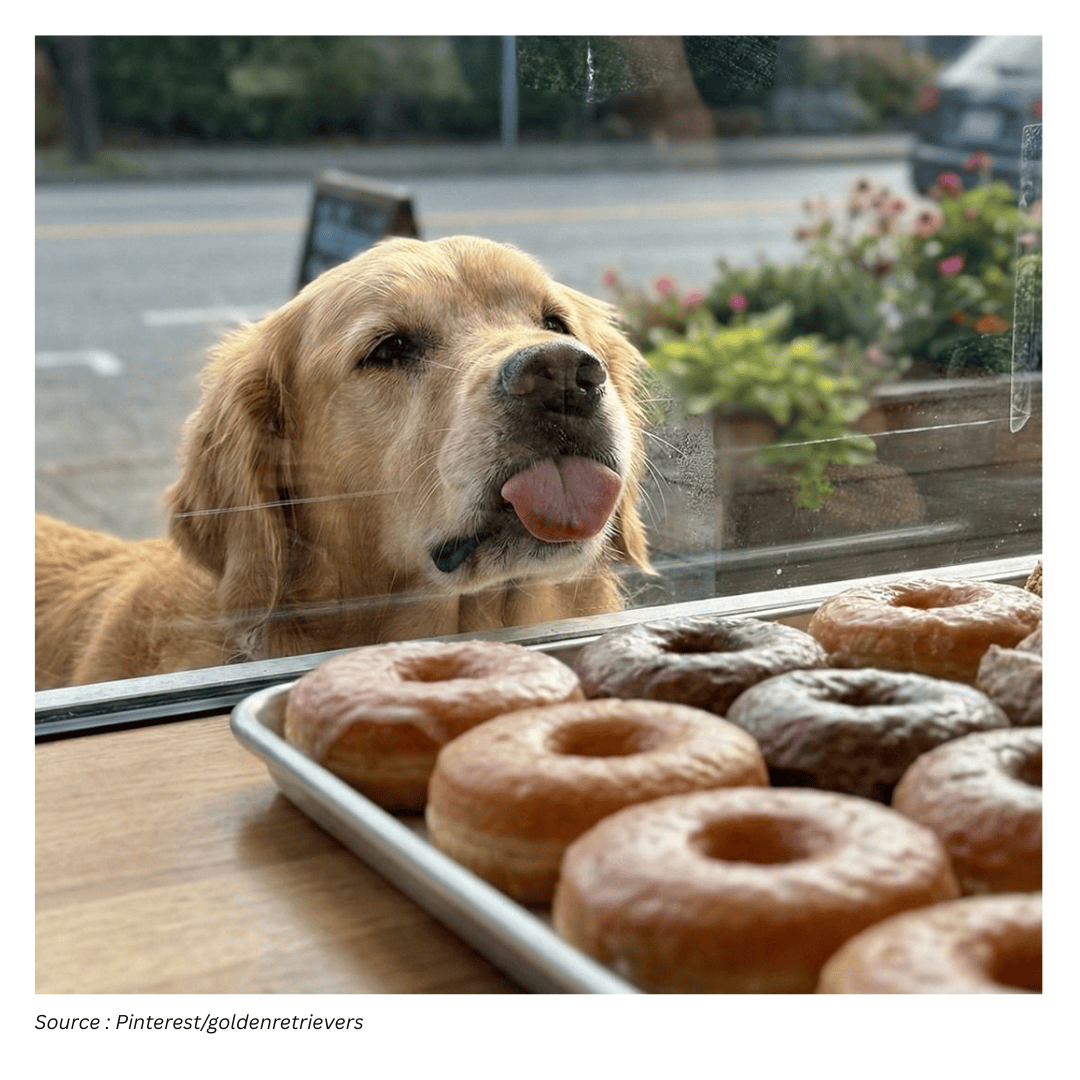
Feeding your dog well without blowing the budget
If you share your life with a dog, you already know feeding them isn’t a minor chore—it’s part of the daily rhythm of care. The challenge is that “dog food” isn’t a single, simple category. Walk into any store (or open any online catalogue) and you’ll see shelves of options claiming to be the best. Many dog owners end up stuck between two pressures: wanting something genuinely nutritious and also wanting it to be affordable.
The good news is that “best” doesn’t have to mean “most expensive,” and high-end packaging doesn’t automatically translate into the right nutrition for your pet. In real life, the best dog food is the one that meets your dog’s nutritional needs while fitting your household budget—an honest balance between health and affordability.
Dog diets can look straightforward from the outside, but they’re more complex than many people expect. Most complete dog foods aim to combine a dog’s nutritional needs into one product. Some do that job better than others, which is why it helps to understand what you’re looking at before you commit to a bag.
What a healthy dog food needs to provide
A healthy dog food should deliver a solid balance of protein, carbohydrates and fats. Beyond those macronutrients, the food should also include essential vitamins and minerals that support overall health. This is the baseline: a dog food can’t be considered “healthy” if it misses the fundamentals.
Because dogs vary so much—by size, age, activity level and health status—there isn’t one perfect formula for every pet. Dietary needs can change for a variety of reasons, and that’s why regular checkups matter. If you’re unsure what your dog specifically needs, it’s sensible to have those dietary requirements confirmed by a veterinarian. That confirmation can save you money and stress in the long run by helping you avoid buying foods that don’t suit your dog.
Why the dog food aisle feels overwhelming
Australia has a huge range of dog food brands, and the volume of choice can make it hard to know where to start. Nearly every brand positions itself as premium, essential, or “the one” your dog needs. But there can be significant differences in ingredient quality and nutritional value between products that look similar on the surface.
Some foods use high-quality ingredients sourced locally, while others may rely on lower-quality ingredients sourced overseas. Another common point of difference is the use of artificial preservatives and additives. These can extend shelf life, but they’re generally considered worse for your dog’s health than foods that avoid them.
Then there’s the broad split between meat-based and grain-based foods. Meat-based foods are often described as better aligned with a dog’s natural diet because they typically contain more protein. Grain-based foods, on the other hand, are generally cheaper and easier to produce, but they don’t provide the same nutritional value.
Put all of these factors together—ingredient sourcing, preservatives, protein levels, price, and whether a food is meat- or grain-based—and it’s easy to see why many owners feel stuck. The goal isn’t to become a canine nutrition expert overnight. It’s to narrow your options to foods that are widely recognised, nutritionally sound, and realistic for your budget.
A practical way to choose: match the food to the dog
Before looking at brand names, it helps to think in terms of your dog’s profile. Some foods are designed for large breeds, others for small breeds, and some are formulated for puppies. There are also options aimed at high-performance or working dogs, as well as formulas that may suit dogs that are less active or prone to weight gain.
That’s why a “best dog food” list is most useful when it includes variety—different sizes, different stages of life, and different needs—rather than pretending one product can do everything for every dog.
Eight dog foods in Australia that are widely recognised
The following eight options are commonly recognised as strong choices in Australia and cover a range of needs—from puppies to adults, from small breeds to large breeds, and from everyday pets to high-performance dogs. As always, it’s wise to confirm your dog’s specific dietary requirements with a veterinarian, especially if your dog’s needs have changed over time.
Hill’s Science Diet Adult Large Breed — A large-dog product made with high-quality chicken protein. It also includes natural sources of glucosamine and chondroitin, which are associated with joint health—an important consideration for bigger dogs.
Royal Canin Mini Adult — Formulated specifically for small-breed adult dogs. Smaller dogs have different energy needs, and choosing a small-dog designed food can help with weight management.
Eukanaba Adult Large Breed — Made with large quantities of poultry protein and natural fibres. It’s positioned to support the health and well-being of large-breed adult dogs.
Ivory Coast Chicken for Puppies — An Australian-made dry dog food aimed at puppies. It’s made with real chicken and vegetables and is grain-free, which some owners prefer because it is more aligned with a dog’s natural diet.
Black Hawk Original Chicken and Rice — Made with real Australian chicken and brown rice and free from artificial preservatives, colours and flavours. It’s also low in fat, which may suit dogs that are less active or prone to weight gain.
Advance Adult All Breed — Made with Australian chicken and rice and designed for larger breeds. It’s more than 25% protein, with chicken meal as the main ingredient, and includes a range of nutrients, vitamins and minerals.
Meals for Mutts Turkey HP — A grain-free option made with real Australian turkey, sweet potato and peas. It’s optimised for high-performance dogs, making it a notable choice for working dogs.
Nutro Wholesome Essentials Adult Lamb and Rice — Suitable for adult dogs of any size. It uses real lamb as its core protein-rich ingredient and includes brown rice for a wholegrain boost.
How to interpret these options in everyday terms
Even within a short list, the differences matter. Some formulas are clearly tailored by size (such as mini adult versus large breed), while others are tailored by life stage (puppy versus adult). A few highlight grain-free positioning, and others include grains like rice as part of the recipe.
If you’re choosing between two foods that both seem reputable, bring it back to your dog’s day-to-day reality. Is your dog small and likely to need careful energy control? Is your dog large and more likely to benefit from a formula that considers joint support? Is your dog a puppy, still growing and needing a puppy-specific product? Or is your dog less active, meaning a lower-fat option could be easier to manage?
There’s also the practical aspect: affordability and availability. A food can be nutritionally solid, but if it’s hard to find consistently or strains your budget, it may not be sustainable. The “best” choice is the one you can keep buying while still meeting your dog’s needs.
Ingredient quality and additives: what to keep in mind
One reason dog foods can vary so much in quality is the ingredients themselves. Some brands emphasise high-quality ingredients sourced locally, while others may use lower-quality ingredients sourced overseas. It’s also worth being mindful of artificial preservatives and additives, which can make food last longer on the shelf but are generally considered worse for your dog’s health.
Another recurring consideration is whether you prefer meat-based or grain-based foods. Meat-based foods are often viewed as better for dogs due to higher protein content and closer alignment with a dog’s natural diet. Grain-based foods are usually cheaper and easier to make, but they don’t offer the same nutritional value.
None of these points automatically dictates a single correct answer. Instead, they give you a framework for comparing products that might otherwise look identical.
Why regular checkups matter alongside diet
Food is foundational, but it isn’t the only piece of keeping a dog healthy. Dietary needs can shift, and regular checkups can help ensure your dog is eating the most suitable food for them at that point in time. Prevention and early guidance can be more effective than waiting until a problem appears.
Ultimately, a healthy diet supports a healthy dog. If this list helps you narrow your search, the next step is choosing the option that best matches your dog’s size, stage of life and lifestyle—then checking in regularly to make sure it continues to be the right fit.