
A Simple Weeknight Bolognese You Can Make in One Pot
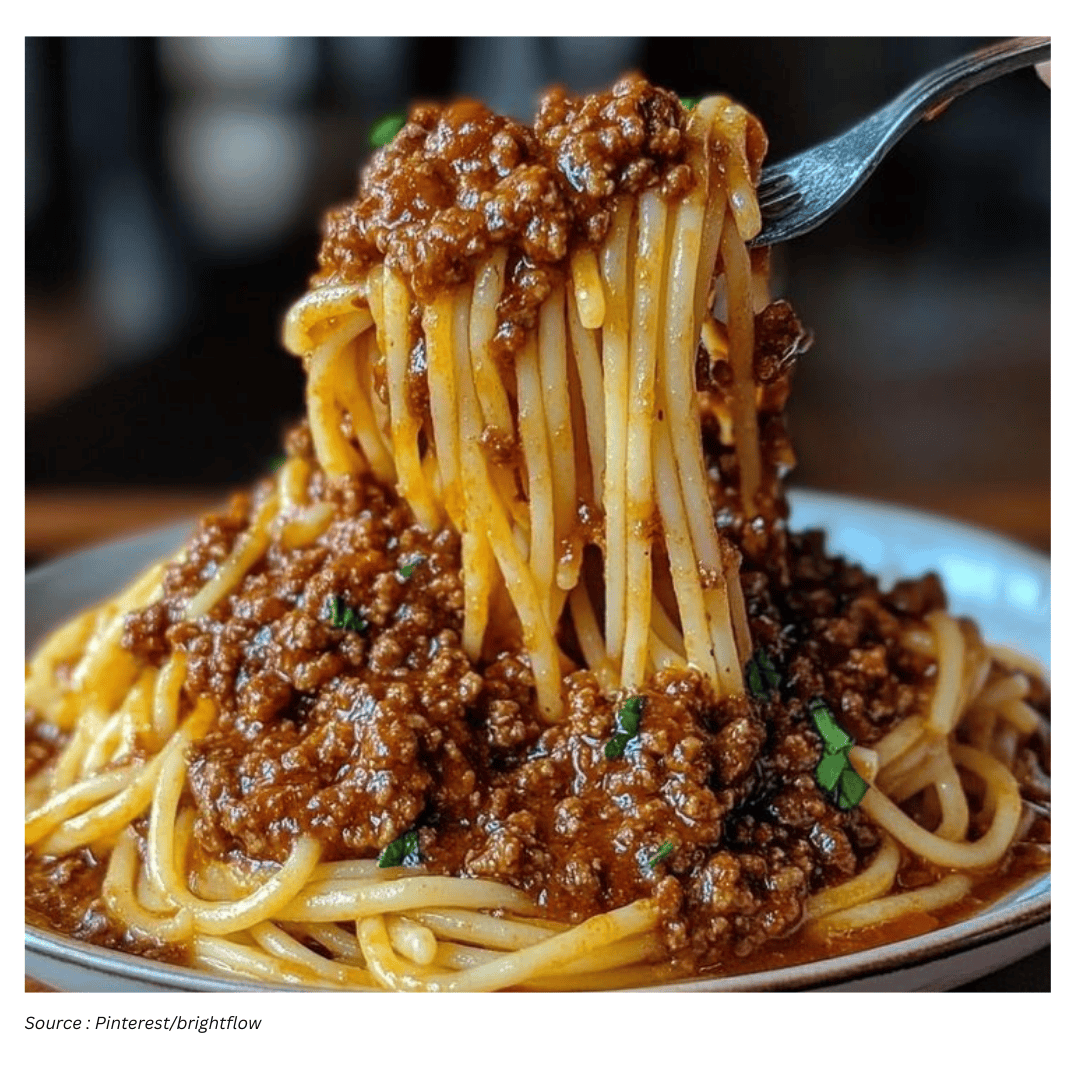
A hearty bolognese—without the all-day simmer
Bolognese has a reputation for being the kind of sauce you start early, babysit for hours, and stir while the kitchen slowly fills with the smell of something serious happening on the stove. That long, slow approach is classic for a reason: it builds deep flavor and a thick, clingy texture that turns pasta into a full meal.
But weeknights don’t always allow for that kind of schedule. This simplified bolognese-style recipe is built for speed, coming together in about 25 minutes total and in a single pot. Instead of relying on extended cooking time, it uses a quick simmer and a few concentrated flavor boosters—like tomato paste, beef stock, and well-browned ground beef—to create a sauce that still tastes rich, savory, and satisfying.
The end result is comfort food that feels substantial enough for a family dinner, but practical enough to make any night you want something cozy without planning your evening around the stove.
What makes this fast version taste rich
Traditional ragù alla bolognese is a meat-forward sauce associated with Bologna, Italy, and it’s typically cooked low and slow to develop nuanced flavor. It often begins with aromatics and builds complexity gradually, sometimes including additions like wine for acidity and milk or cream for a silky finish. The sauce is known for being thick and hearty, designed to cling to pasta—traditionally tagliatelle—and it’s also commonly used in layered dishes like lasagna.
This weeknight version takes a different route. It leans more heavily on tomato than some traditional preparations and compresses the process into a short cooking window. The strategy is simple: brown the beef for depth, soften onion and garlic for a savory base, then use tomato paste and crushed tomatoes for concentrated flavor and color. A short simmer with beef stock (or water if that’s what you have) helps the ingredients come together quickly.
There’s also an optional finishing touch that can shift the sauce from straightforward to luxurious: a small amount of heavy cream stirred in at the end. It doesn’t change the sauce into something else—it simply rounds it out, softens edges, and adds a silky texture that feels like the reward of a longer cook.
Ingredients that keep the recipe weeknight-friendly
The ingredient list is designed to be practical, relying on pantry staples and easy-to-find items. Olive oil starts the process and helps carry flavor as the aromatics cook. Ground beef provides the core of the sauce; an 80/20 blend will bring extra richness from fat, while a leaner option works if you prefer a lighter result.
Onion and garlic create the aromatic foundation. Tomato paste is the concentrated element that deepens color and adds a more intense tomato note without needing hours of reduction. Crushed tomatoes form the main body of the sauce, while beef stock adds savory depth and helps adjust consistency. Seasonings are kept simple: kosher salt, ground black pepper, and Italian seasoning.
To finish, the sauce is served over cooked pasta and topped with fresh basil and shaved Parmesan cheese if desired. Those garnishes aren’t just decorative—they add freshness and a salty, savory bite that makes the final bowl feel complete.
- Olive oil
- Ground beef (80/20 for richness, or leaner if preferred)
- Onion
- Garlic
- Tomato paste
- Canned crushed tomatoes
- Beef stock (or water in a pinch)
- Kosher salt
- Ground black pepper
- Italian seasoning
- Optional heavy cream (stirred in at the end)
- Fresh basil and shaved Parmesan, for serving (optional)
Step-by-step: one pot, short simmer, big payoff
This recipe is built around a straightforward sequence that maximizes flavor in minimal time. The key is to take advantage of browning and concentrated ingredients, then give the sauce a brief simmer to bring everything together.
- Heat the oil in a large saucepan until shimmering.
- Add the onion and cook, stirring, over medium-low heat until tender and lightly browned.
- Add the beef and cook, crumbling it as you go, until it’s no longer pink.
- Stir in the garlic and cook for an additional minute.
- Add the crushed tomatoes, beef stock (or water), salt, pepper, and Italian seasoning. Simmer for 8–10 minutes to develop flavor and heat through.
- Serve hot over cooked pasta, garnishing with fresh basil and shaved Parmesan if desired.
That brief 8–10 minute simmer is where the sauce shifts from “ingredients in a pot” to something cohesive. It’s not meant to replicate the depth of an all-day ragù; it’s designed to deliver a weeknight version of that comfort—meaty, savory, and satisfying—without the time commitment.
Choosing the right pasta (and why it matters)
One of the strengths of a thick, meat-forward sauce is how well it pairs with different pasta shapes. Traditionally, bolognese is associated with tagliatelle because the wide ribbons hold onto the sauce. In practice, this quick version is versatile enough to work with whatever you have.
If you want the most classic feel, reach for tagliatelle or pappardelle—wide noodles that give the sauce plenty of surface area to cling to. Spaghetti is a familiar option and works well for a simple weeknight bowl. Rigatoni is another strong choice because the sauce can settle into the ridges and hollow center, giving you a more substantial bite.
No matter the noodle, finishing with basil and Parmesan can make the dish feel more polished, even if the sauce came together quickly.
A quick note on how this relates to classic bolognese
It helps to know what you’re aiming for. Classic bolognese is not simply a tomato sauce with meat; it’s a meat-forward ragù that often uses tomato as a supporting ingredient rather than the main event. Aromatics like onion, carrot, and celery are traditionally used to build a balanced foundation. In some versions, white wine is included to bring acidity and round out the flavor, and milk or cream is added before serving to create a silky finish.
This weeknight recipe keeps the spirit of that approach—meat, aromatics, and richness—while simplifying the process and leaning more on tomato. It’s a practical homage rather than a strict reproduction, built for the reality of busy evenings while still delivering the cozy satisfaction people expect from a bolognese-style sauce.
Easy ways to adapt it with what you have
One of the most useful things about a meat sauce like this is how adaptable it can be. The core method stays the same, but you can adjust the ingredients based on preference, what’s in the fridge, or what kind of meal you want at the end.
If you want to change the protein, you can swap the ground beef for ground pork or turkey. You can also combine beef and pork for a richer, more traditional flavor profile. For extra complexity, finely diced carrots and celery can be cooked along with the onion to bring sweetness and balance. If you want more texture and a bit more bulk, sliced mushrooms or bell peppers can be added for additional color and bite.
For a simple way to incorporate greens, fresh spinach leaves can be stirred in at the end of cooking. It’s a low-effort addition that boosts nutrients without changing the overall flavor direction of the dish.
Seasoning adjustments can also shift the mood. Red pepper flakes add gentle heat and warmth. Fire-roasted tomatoes can bring a lightly smoky twist while keeping the same overall structure.
- Swap ground beef for ground pork or ground turkey
- Use a beef-and-pork combination for a richer profile
- Add finely diced carrots and celery with the onion
- Bulk it up with sliced mushrooms or bell peppers
- Stir in fresh spinach at the end of cooking
- Add red pepper flakes for gentle heat
- Try fire-roasted tomatoes for a lightly smoky note
More than pasta: other weeknight uses
This sauce doesn’t have to stay in the pasta bowl. Because it’s thick, savory, and meat-forward, it can be used in several comforting formats without requiring a separate recipe. It can be layered into lasagna, tucked into stuffed shells, or spooned over gnocchi. It also works well over creamy polenta for a soft, cozy base that highlights the sauce’s richness.
If you’re looking for a different kind of dinner plate, the sauce can also be served over roasted vegetables—an easy way to keep the meal hearty while changing the presentation.
- Layer into lasagna
- Use as a filling for stuffed shells
- Spoon over gnocchi
- Serve over creamy polenta
- Pair with roasted vegetables for a comforting alternative
Serving and finishing touches
Even a fast sauce benefits from a thoughtful finish. Fresh basil adds a bright, herbal note that contrasts with the sauce’s richness. Shaved Parmesan adds saltiness and depth, reinforcing the savory character of the beef and tomatoes. If you choose to use heavy cream, stirring it in at the end can make the sauce feel smoother and more rounded, giving it a more luxurious texture without complicating the process.
Ultimately, this is the kind of recipe that earns its place in a weeknight rotation: one pot, under half an hour, built from familiar ingredients, and flexible enough to match the pasta shape—or dinner plan—you have on hand.